現代のビジネスに向けた新鮮なアイデア。
より賢い意思決定と迅速な行動を求めるビジネスオーナーのために厳選された注目記事、ニュース、製品アップデート、成長アイデア、マーケティングトレンド。

Why the Next Growth Advantage for SMBs Will Be Powered by AI
AI is moving from trend to infrastructure. Here is how small businesses can use smarter systems to create content, launch campaigns, understand customers and compete faster.

How POS Data Is Quietly Becoming a Marketing Superpower
Turn everyday transactions into insights that shape sharper campaigns, smarter offers and better customer timing.

Five Marketing Habits That Help Local Brands Grow Consistently
A practical look at the repeatable actions behind stronger campaigns, better content and smarter customer engagement.

AI Marketing for Restaurants That Actually Works
From filling slow shifts to bringing regulars back, here is how restaurants use AI to market smarter without adding hours.
変化しつつあるシステムに関する教育 ビジネスの成長。
AIマーケティング、顧客行動、コンテンツ戦略、POS主導の成長、自動化、SMBオペレーションに関する教育コンテンツ - 有用で明確かつ実践的になるように書かれています。
AI Marketing for Restaurants That Actually Works
From filling slow shifts to bringing regulars back, here is how restaurants use AI to market smarter without adding hours.

Unlock 30% More Revenue: AI Marketing Strategies to Fill Your Cafe's Empty Tables
Discover actionable AI-driven marketing tactics that can transform your cafe's foot traffic and boost your bottom line.

The Future of Content Creation: AI-Powered Strategies
Revolutionize your content creation process with AI tools.

Your Marketing Should Run While You Sleep
The best campaigns are not written at midnight. They run themselves while you rest.

The End of the Blank Page
The hardest part of marketing was always starting. AI just deleted the blank page.

Personalization at the Scale of One
Big brands fake intimacy with data. AI finally lets a small business actually deliver it.

Your Competitor's Instagram Looks Better Than Yours - And Their Food/Product/Service Isn't
The gap between a great local business and a well-marketed one is almost never talent or budget. It's three fixable bottlenecks most owners don't even know they have.

Your Best Post From 6 Months Ago Is Invisible to Half Your Followers - And It Cost You Nothing to Write
Algorithm churn means 40-60% of your current audience never saw your strongest content. Here is how to build a recycling system that cuts content creation time in half.

Posting Every Day Is Burning You Out - And It's Not Even Growing Your Audience
The '9am daily post' rule was lifted from influencer playbooks built for entirely different audiences. Here's the evidence-backed three-posts-per-week structure that actually builds followers for physical local businesses - without the burnout.

Your Meta Ads Are Losing Money Because You're Paying to Reach People Who Weren't Going to Buy Today Anyway
Search and social serve completely different stages of the purchase journey. Most local owners fund the wrong one - and the margin gap is bigger than they think.

Same £500 Ad Budget, Two Completely Different Results: The Structural Gap Most Local Owners Never Fix
Ad spend without audience precision is just a tax on impatience. The difference between a Meta campaign that compounds and one that evaporates is almost always decided before a single creative is made.

5 Things AI Can Write for Your Business This Week That You're Still Doing by Hand
Owners are spending hours on tasks that take AI under two minutes. Here's the exact list to hand over first - and what the output actually looks like.

Your Regulars Will Tell You Exactly When to Market to Them - If You Know Where to Look
Most owners treat transaction history as accounting. It's actually the most precise re-engagement signal you own - and it tells you the perfect moment to reach every customer segment before they drift away.

Three Local Competitors Just Launched Campaigns This Week - And They Didn't Write a Single Word
AI content generation is no longer a big-brand privilege. The owners moving fastest are treating it as infrastructure - and compounding the advantage quietly, one 20-minute session at a time.

Posting Every Day Is Burning You Out - And It's Not Even Growing Your Audience
The '9am daily post' rule was lifted from influencer playbooks built for entirely different audiences. Here's the evidence-backed three-posts-per-week structure that actually builds followers for physical local businesses - without the burnout.

Your AI Captions Sound Generic Because You're Giving It Nothing to Work With
The problem isn't the technology. Thousands of local owners have tried AI writing tools, got bland output, and walked away - when one sharper input would have changed everything.

The 5-Question Brief That Gives You a Full Week of Marketing in 10 Minutes
The blank page isn't a creativity problem - it's a structure problem. Here's the repeatable weekly brief that stops you starting from scratch every single time.

The Menu Rewrite That Lifted One Cafe's Average Spend by 22% - Without Changing a Single Price
Anchoring, item sequencing, and sensory language are the oldest tricks in hospitality - and almost no independent owner has ever applied them deliberately. Here is how to fix that in under an hour.

The Local Business That Spends £0 on Ads and Still Fills the Room Every Friday Night
A well-timed email, a Google Business update, a reactivation message, and one piece of weekly content can outperform a £500 ad budget - when they are sequenced correctly. Here is the exact no-ad stack high-retention local businesses run quietly, and how AI makes it repeatable without a marketing hire.

The Local Business Owner Who Spends 90 Minutes on Marketing Per Week - And Outperforms the One Spending 10 Hours
The problem isn't effort - it's architecture. Here's the exact side-by-side breakdown of reactive vs. system-driven marketing, and the weekly workflow that makes 90 minutes genuinely enough.

AI Can Write Your Captions - But It Can't Fix a Bad Offer
The honest line between what AI marketing tools do brilliantly and where you still have to think.

Your Best Post This Year Already Knows What to Publish Next - Here's How to Read It
One high-performing post contains more actionable audience intelligence than most paid research ever will. Here's the two-hour audit that turns past performance into a forward content strategy.

Posting Every Day Is Burning You Out - And It's Not Even Growing Your Audience
The 'post more' rule was borrowed from influencer playbooks built for global audiences. Here's the evidence-backed three-posts-per-week structure that actually builds followers for physical local businesses - without the burnout.

The Local Business Posting 3 Times a Week Is Beating the One Posting Daily - Here's the Data Behind It
Frequency without strategy is noise. Research consistently shows that three high-intent, locally-anchored posts per week outperform daily filler for foot traffic and follower growth - and the math explains exactly why.

AI Can Write Your Captions - But the Owners Winning with It Are Using It for Something Entirely Different
Generating captions saves you twenty minutes. Asking the right analytical questions saves your margin. Here is the shift that separates owners using AI as a time-saver from owners using it as a growth engine.

Posting Every Day Is Shrinking Your Reach - Here's the Data Most Local Owners Never See
Platform algorithms don't reward effort. They reward performance. And most local businesses are quietly training the algorithm to ignore them - one underperforming daily post at a time.

You Don't Have a Content Problem - You Have a Starting Problem
Inconsistency online is almost never laziness. It's a systems failure that happens in the three seconds you open a blank caption box and your mind goes empty. Here's the fix.

AI Wrote You a Bland Caption Because You Gave It Nothing to Work With
The five specific inputs that turn generic AI output into sharp, local, on-brand content your customers actually recognise as you.

Your POS Already Knows Who's About to Stop Coming Back - Here's How to Make It Tell You
Every transaction your till records is a data point in a pattern - and that pattern reveals, weeks in advance, which regulars are quietly drifting. Here's how to read the signals before the 90-day silence sets in.

Your Best-Performing Post Is Invisible to 50% of Your Current Followers
Algorithm churn means half your audience never saw your strongest content. Here is the exact recycling system that surfaces proven posts to fresh eyes - and cuts your weekly creation time in half.

Your POS Already Knows Who's About to Stop Coming - But Only If You Ask It the Right Question
Transaction patterns reveal churn signals weeks before you notice the empty seat. Here are the three data points hiding in your till right now - and how to turn them into automatic re-engagement before a regular becomes a memory.

Why the Businesses With Half Your Following Are Getting Twice Your Walk-Ins
Reach is a vanity metric for local businesses. Here is what actually converts online attention into people through the door.

Your POS Already Knows Who's About to Stop Coming Back - Here's How to Make It Tell You
Most local owners have churn prediction data sitting in their sales history and don't know it exists. Three numbers from your point-of-sale system can identify at-risk regulars before they're gone - and trigger re-engagement without you writing a single word.

One iPhone Photo Outperformed This Bakery's £800 Professional Shoot - Here Is Why
Polished content looks impressive. Specific, real, right-now content converts. Here is the authenticity gap that is costing local businesses reach, trust, and foot traffic - and how to close it in 15 minutes a week.

You're Posting 4 Times a Week and Still Quiet on Fridays - Here's Why Your Neighbour Posts Twice and Can't Take Walk-Ins
Posting frequency is the metric that feels productive and changes almost nothing. Here is what actually converts a scroll into a booking, a visit, or an enquiry - and a 20-minute audit you can run on your last 30 posts today.

Your Tuesday Promo Fills Tables. The Same Promo on Friday Gets Ignored. Here's Why.
Most local promotions fail not because the offer is wrong but because the timing, audience, and lead window are never matched deliberately. Fix these three variables and the same budget starts working twice as hard.

Your AI Content Sounds Generic Because You Fed It Nothing - Here's the 10-Minute Fix
The problem with AI marketing for local businesses isn't the technology. It's that the tool knew nothing about you, your regulars, or what makes your business different from the one three doors down. Here is exactly what to give it instead.

The Local Business Posting Three Times a Week Is Outperforming the One Posting Every Day - Here's the Data
Posting frequency is the most misunderstood lever in local social media. The owners burning out on daily content are often growing slower than those who post less but smarter - and there is a specific three-post structure behind it.

Three Automations Your Competitors Haven't Switched On Yet - Here's Exactly How to Run All of Them
Most advice about AI marketing for local businesses stops just before the useful part. This piece defines three specific, immediately deployable sequences - with exact timing, message structure, and audience logic - so you can stop reading about automation and actually run it.

Your Slowest Day This Week Already Wrote Your Next Campaign - You Just Never Asked For It
Your POS history knows exactly which day dies every week, which customers are overdue, and which offer moved product last time. Here is how to stop guessing and let the data brief you instead.

Your Slow Day Isn't Random - Your POS Data Knows Exactly Why (And What to Do About It)
Transaction history already contains the fix for dead shifts - most owners just never look at it that way. Here are three specific signals buried in your sales data and the campaigns they should trigger.

The Local Business Owner Who Spent 11 Hours a Week on Marketing - And Got Worse Results Than the One Who Spent 90 Minutes
Effort and output are almost completely disconnected in local marketing. Here is what the efficient operators actually do differently - and the exact structure you can steal.

Your POS Already Knows Who's About to Stop Coming Back - Here's How to Make It Talk
Transaction history isn't accounting data. It's your earliest churn warning system - and with the right setup, it triggers win-back messages before you even notice a regular is missing.

Your Best-Performing Post From Last Quarter Is Still Invisible to Half Your Followers
Content decay is a distribution problem, not a creative one. Here is the exact recycling system that turns one strong post into four months of lower-effort, higher-confidence content.

Your Instagram Bio Has 200 Followers. Your Google Business Profile Has 2,000 Monthly Searchers. Guess Which One Is Half-Empty.
A room-by-room audit that turns a neglected Google Business Profile into the highest-converting free channel your local business owns - no ad spend required.

Three Posts a Week Is Enough - But Only If You Stop Writing Them from Scratch Every Time
Content consistency isn't a volume problem. It's a system problem - and the fix takes one focused hour, not seven scattered ones.

The Local Business Posting on Instagram 7 Days a Week Is Losing to the One Posting 3 Times With a Strategy
Posting frequency is the wrong metric. Here are the four elements that make a local social post actually convert - and how to build a three-post week that outperforms a seven-post one every time.

Your POS System Processed 847 Transactions Last Month and Sent Zero Marketing Messages
The transaction data sitting idle in your till is the sharpest audience signal you'll never get from social media - here's exactly how to turn three buried signals into campaigns that print repeat revenue.

Your Instagram Reach Dropped 30% This Quarter - Here's the One Channel Shift That Fixes It Overnight
Organic social reach for local business pages has been compressing for three years. The owners winning right now quietly reweighted to channels they actually own - and kept their output high while doing it.

She Stopped Writing Captions in January. By Week Eight, Repeat Visits Were Up 94%.
What actually shifts inside a local business when AI takes over the content grind - the touchpoints, the numbers, and the moment it stopped feeling like a time-saver and started feeling like a growth system.

Your Nearest Competitor Probably Has a Worse Product and a Better-Looking Brand - Here's the Fix in a Weekend
Inconsistent photos, a stale Google description, and captions that describe instead of persuade: these three fixable blind spots are the only thing separating you from the customers already choosing someone else.

Your Best-Performing Post Last Month Is Already Dead to the Algorithm - And How to Revive It in 4 Minutes
Content recycling isn't laziness - it's the highest-ROI move most local businesses leave completely untouched. Here's the shelf-life math, a simple scoring system, and the fastest way to get your strongest content working again.

The 15-Minute Monday Ritual That Ends the 'What Do I Post Today' Spiral Forever
Most local owners don't have a content problem - they have a trigger problem. Here is the exact weekly framework that breaks the reactive loop and keeps your marketing consistent without an agency or a plan that falls apart by Wednesday.

6 Months of Social Posts in One Afternoon - How AI Content Batching Actually Works for Busy Owners
Reactive, day-by-day posting is the single biggest reason local business owners go dark online for weeks at a time. Here is the bulk-production model that keeps you consistent without stealing hours from your operational day.

The Smallest Ad Budget on Your Street Is Winning on Instagram - Here's the Exact Format Doing It
Organic reach has quietly shifted in favour of specificity over frequency. The three content formats beating polished brand content right now - and a weekly template any owner can follow in under an hour.

Your POS Data Already Knows What to Post Next - You're Just Not Using It
Months of transaction history are quietly telling you exactly what to promote, when to promote it, and who to target. Here is how to stop guessing and let your till run your content calendar.

Your POS Already Knows Who's About to Stop Coming In - Here's How to Make It Talk
Most owners treat transaction data as accounting. The ones growing fastest treat it as a churn-detection system. Here are three signals hiding in your sales history right now.

Why the Businesses Posting 3 Times a Week Are Beating the Ones Posting Every Day
Daily posting feels productive. The evidence for physical local businesses points somewhere else entirely - here is the counter-intuitive frequency data and the exact three-slot structure that compounds without burning you out.

Most Local Businesses Set Their Ad Budget on Gut Feel - Here Is the Math That Should Replace It
Three numbers you already know - or can find in five minutes - that turn your next campaign decision from a guess into a calculation.

15 Minutes Every Monday Morning Is the Only Marketing System Most Local Owners Actually Need
Most local businesses end Friday having posted twice and run nothing. Here is the weekly reset ritual that replaces scattered, reactive marketing with a compounding system - and takes less time than your first coffee.

Your POS Already Knows Who's About to Stop Coming - You're Just Not Acting on It Fast Enough
Turn transaction gaps into a reactivation trigger before a regular becomes a lost customer.

Your AI Content Sounds Generic Because You're Feeding It Nothing Local - Here's the 10-Minute Fix
The owners getting real traction from AI-assisted content aren't using better tools. They're using one specific input habit that transforms output quality overnight.

The 20-Minute Monday Ritual That Replaces a Full Week of Scattered Marketing
Most local owners don't lack ideas - they lack a repeatable starting point. This single structured session turns reactive, last-minute posting into a coordinated weekly marketing system that practically runs itself.

Your Till Has Processed Thousands of Transactions. Your Marketing Has Used Exactly Zero of Them.
Your sales history already knows your best-sellers, your at-risk regulars, and the offer that would bring someone back this week. Here is how to read it like a marketing brief.

Your Slowest Day This Week Already Told You What Campaign to Run - You Just Didn't Read It
How transaction data and visit patterns reveal the exact offer, timing, and audience for your next promotion - no guesswork needed.

Your Instagram Bio Has One Job - 97% of Local Business Owners Let It Fail
Your profile is visited far more than it converts. Here is the five-minute audit that turns a forgotten bio into a booking machine.

Your POS Already Knows Who's About to Stop Coming In - Here's How to Make It Tell You
Every time a regular misses their usual return window, your sales data records it silently. Here's how to read that gap as a churn signal - and what to do in the 72 hours before a good customer becomes a lost one.

The 6-Word Message That Brings Lapsed Customers Back (And Why Most Owners Never Send It)
Re-engagement is the highest-ROI marketing most local businesses have never actually tried. Here is the timing, the tone, and the exact structure that works - across restaurants, salons, and retail.

The 15-Minute Monday Habit That Replaces a Full Week of Scattered Marketing
One weekly ritual, done before opening time, gives you a content theme, three scheduled posts, and a reactivation trigger - so reactive, last-minute marketing stops being your default mode.

15 Minutes a Day, 5 Days a Week: The Marketing Routine That Ends the Sunday-Night Panic
Most local owners don't have a marketing problem. They have a workflow problem. Here's the Monday-to-Friday rhythm that keeps you consistent without consuming your life.

The 3-Post Rule: Why Local Businesses That Post Less Are Growing Faster
Daily posting was built for influencers chasing algorithmic volume. A butcher in Bristol or a yoga studio in Austin needs something different - three sharper posts a week that actually build a local audience without burning you out.

3 Posts a Week Beat Daily Posting - When Each One Speaks to a Different Customer Stage
Posting volume is not your growth problem. Posting the same message to first-timers, regulars, and lapsed customers at the same time is. Here is the audience-segment framework that makes three weekly posts work harder than seven unfocused ones.

AI Wrote the Caption, But the Strategy Was Still Wrong
Going faster in the wrong direction is still wrong. The local business owners actually seeing results from AI marketing use it upstream - on what to say and when, not just how to say it.

The 3 Local Competitors Who Will Still Be Open in 5 Years Are Already Using AI - Here's What They're Actually Doing Differently
AI in local marketing isn't about robots replacing your team. It's about shrinking the distance between an idea and a live campaign, between a quiet Tuesday and a full room. Here are the six workflow shifts that separate owners using AI as real infrastructure from those still drafting captions at midnight.

The Businesses Winning on Instagram Right Now Are Posting Less - Not More
Frequency is a vanity metric. The three-signal formula that actually turns local content into footfall - and why the owners who cut to three posts a week are quietly outperforming the ones burning out on volume.

67% of Local Business Ads Fail the First Line Test - Here's What That Line Has to Say
Your ad budget isn't the problem. Your opening sentence is. Here's the three-word formula that forces your first line to speak to your customer's actual tension - not your business.

Your POS System Processed 400 Transactions Last Month - and Sent Zero Follow-Up Campaigns
Every sale your business records contains timing signals, spending patterns, and return gaps that a smart campaign could act on today. Here is how to read that data and turn it into marketing that runs itself.

You Spent 45 Minutes Writing That Caption - Here Is What AI Wrote in 40 Seconds (And What to Fix Before You Post)
AI gets the structure right instantly. It almost never gets your voice right. Here is exactly where the gap is - and the two-minute edit that closes it.

Your Slowest Hour Is Sending You a Signal - Here's How to Read It
Your POS history already knows which customers showed up at 2pm, what they ordered, and when they drifted away. Here is how to turn that dead-hour pattern into a targeted offer that fills the gap - without guessing, and without touching it again.

AI Wrote the Caption, the Offer, and the Send Time - And the Salon Had Its Busiest Wednesday in Four Months
The moment most local owners lose isn't the strategy session - it's the three days between deciding to run a promotion and actually getting it out the door. Here's how to collapse that gap to under ten minutes.

Your Till Already Knows What to Promote Next Week - You're Just Not Reading It
Every transaction your business processes is a data point: what sold, to whom, at what margin, and when. Most owners treat that record as accounting. The sharp ones treat it as a campaign brief.

Your Caption Is 87 Words Too Long - And It's Killing Your Walk-In Traffic
Most local business owners write captions like blog posts. The format is costing them reach, saves, and real foot traffic. Here is the exact three-part structure that flips it - and takes under five minutes to write.

Your Caption Took 25 Minutes to Write and Got 11 Likes - Here's Why the Format Is the Problem
Local owners keep borrowing content formats from influencers with millions of followers - then wonder why the posts don't fill tables or book appointments. The fix isn't more effort. It's four formats built for physical businesses.

Why the Same Post Gets 3x More Reach on Wednesday (And Your Tuesday Effort Is Quietly Wasted)
Platform timing isn't one-size-fits-all. For local physical businesses, posting at the right hour can deliver more organic reach than a paid boost - and most owners are still using advice built for influencers with national audiences.

The 20-Minute Monthly Habit That Outperforms Daily Posting - Backed by 6 Months of Local Business Data
The daily-posting grind was built for creators chasing algorithms, not for a salon owner with a full floor or a chef prepping Friday service. Here is the exact monthly planning structure that consistently beats reactive posting on consistency, growth, and time spent.

Instagram Ads Are Eating Your Budget Because You Are Targeting the Wrong Radius
Most local business owners running paid social are paying to reach people who will never walk through their door. Here is the geo-targeting logic that cuts cost-per-visit without raising your spend.

Your Marketing Week Should Take 20 Minutes. Here's the Task-by-Task Proof.
A concrete time-audit of every common weekly marketing task - mapped to what AI should own, what you should batch, and what you should stop doing entirely.

The Local Business Posting 3 Times a Week Is Outgrowing the One Posting Every Day - Here's the Data
Posting volume is the wrong variable. Content-to-audience fit is the one that actually moves foot traffic - and most owners are optimising for the metric that hurts them most.

Three Types of Content Do 80% of the Work for Local Businesses - The Rest Is Noise
Viral-chasing content built for influencer audiences is the wrong playbook for a physical local business. The formats that actually drive visits, bookings, and repeat customers follow a three-post-per-week structure you can execute in under an hour.

The Businesses Gaining Followers Right Now Post 3 Times a Week - Not 7. Here's Their Actual Structure.
Frequency is the wrong lever. The local owners pulling ahead have cracked content structure, not content volume - and their system fits in a single afternoon.

Posting Every Day Is Costing You 6 Hours a Week - And Probably Losing You Customers
The 'post more' myth was built for media companies chasing algorithmic scale. It was never designed for a 12-table restaurant or a three-chair salon - and the data proves it.

You Spent £400 on That Ad and Got 11 Likes - Here Is Where the Budget Actually Went Wrong
Most failed local ad campaigns don't die at the budget stage. They die at the brief stage - wrong radius, no real offer, no clear next action. Here is the exact setup sequence that fixes conversion from the first pound spent.

Why the Businesses Posting Three Times a Week Are Growing Faster Than the Ones Posting Every Day
Posting frequency has almost no correlation with follower growth for physical local businesses - but content type and timing do. Here is the evidence behind a three-post structure that outperforms daily reactive content and saves you four hours a week.

One Workspace, Eight Clients: How Small Marketing Teams Are Running More Without Hiring More
Adding a new client used to mean adding proportional admin. Here is the operational blueprint that breaks that equation - without burning out your team.

Your POS Already Knows Who's About to Stop Coming In - You Just Haven't Asked It Yet
The gap between a customer's average return window and their last purchase date is the earliest churn warning you'll ever get. Here's how to read it, set a threshold, and trigger a reactivation message before the decision to leave becomes permanent.

You've Posted 200 Times This Year and Your Follower Count Moved 40 People - Here's Why
Volume-based posting is the most convincing trap in local marketing. The businesses actually pulling customers from social aren't posting more - they're posting on signal. Here's what that shift looks like in practice.

Your Instagram Bio Was Written in 10 Minutes - And It's Turning Away Customers Every Single Day
Local search behaviour has shifted: customers check your Instagram before your menu, your price list, even Google Maps. Five specific bio mistakes are silently killing that intent - and each one has a fix you can apply in under 20 minutes.

Your Lunchtime Rush Is Data You're Not Using - Here's How to Turn It Into Monday's Campaign
Three signals hiding in your sales history - and the exact moves that convert each one into a ready-to-run promotion before the week starts.

The 72-Hour Window After Every Local Event Is Your Highest-Engagement Moment - And You're Posting Nothing Into It
National brands have calendar teams. You have a phone and a packed shift. Here is a three-post sequence, written in under 20 minutes with AI, that captures the post-event spike every single time.

The Menu Item Selling the Most Is Probably Not the One You're Promoting
Your POS history already contains a ranked list of your highest-converting products, busiest day-part combos, and the items that reliably pull repeat visits. You're just not reading it as a marketing brief.

The 3-Word Brief That Gets AI to Write Content That Actually Sounds Like Your Business
Most local owners try an AI content tool once, get something bland and corporate, and never open it again. The problem is not the tool - it is the brief. Here is the dead-simple three-part input structure that fixes that.

The Local Business Owner Who Stopped Writing Captions Grew Faster Than the One Who Didn't
Time spent on content creation is the silent tax most solo owners never audit. Here is exactly what it costs, and how AI-assisted workflows cut it without touching quality or consistency.

5 Local Businesses in Your Category Are Already Using AI for Content - Here's What Their Feed Actually Looks Like
The fear that AI will make your brand sound robotic is legitimate. The owners proving that fear wrong aren't replacing their voice - they're using AI to kill the blank page, batch a week of content in one sitting, and stay consistent when the floor is slammed.

The 20-Minute Monday Habit That Replaces a Part-Time Marketing Hire
The owners quietly outgrowing their competition aren't posting more or spending more. They've built one weekly ritual that plans content, flags lapsing customers, and queues a campaign - then lets AI handle everything that follows.

AI Wrote a Month of Captions for a Busy Bakery Owner in 22 Minutes - Here's the Exact Prompt Structure
Generic AI output sounds generic because it gets generic inputs. Four prompt ingredients separate captions you'd actually post from ones you spend an hour fixing.
How POS Data Is Quietly Becoming a Marketing Superpower
Turn everyday transactions into insights that shape sharper campaigns, smarter offers and better customer timing.

Turning First-Time Buyers Into Loyal Regulars
Simple retention loops that turn first-time buyers into loyal regulars using timing, offers and personalized follow-up.

3 Hours a Week Is All Your Marketing Actually Needs
Most local owners aren't failing at marketing because they care too little - they're failing because they're doing it wrong: scattered, reactive, and starting from scratch every single week. Here's the system that fixes that.

The Slow Tuesday Problem (And How to Kill It)
Every local business has a dead day. The smart ones turn it into their most profitable shift.
Why the Next Growth Advantage for SMBs Will Be Powered by AI
AI is moving from trend to infrastructure. Here is how small businesses can use smarter systems to create content, launch campaigns, understand customers and compete faster.

The Simple Content System Busy Owners Actually Stick With
A repeatable, low-effort approach to staying consistent online without burning hours every single week.

Your Best Customers Are Leaving Quietly
No complaint. No warning. Just gone. Silent churn is the most expensive problem you never see.

Stop Discounting. Start Bundling.
A discount trains customers to wait for the next one. A bundle teaches them to spend more today.

Your Google Business Profile Gets More Walk-Ins Than Your Instagram - So Why Is It Half-Empty?
The underused local channel that drives real foot traffic, calls, and bookings - and the practical audit that turns a forgotten listing into your hardest-working marketing asset.
Five Marketing Habits That Help Local Brands Grow Consistently
A practical look at the repeatable actions behind stronger campaigns, better content and smarter customer engagement.

The Five-Star Review Engine
Great reviews are not luck. They are a simple system you can build in a single week.

Foot Traffic Is a Funnel
You obsess over clicks and conversions online. The exact same funnel rules govern your front door.
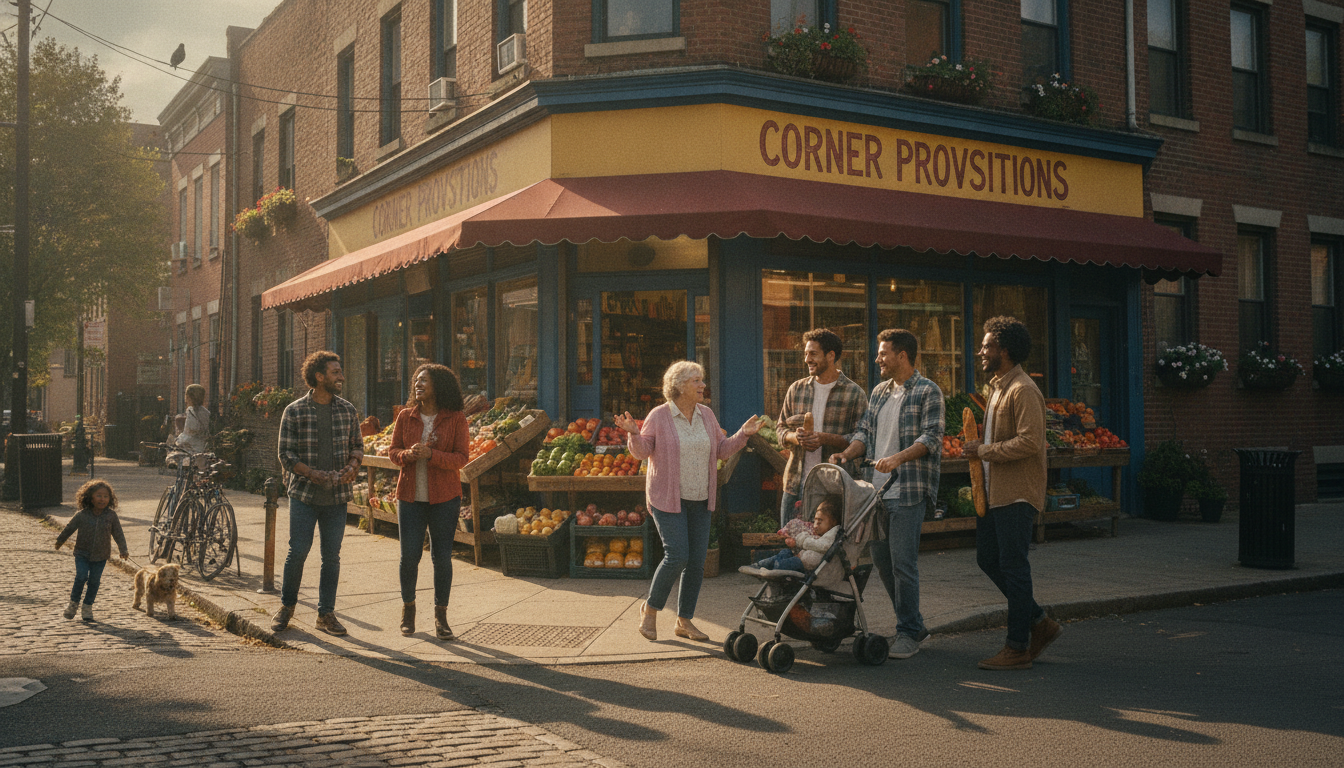
Win the Block Before You Win the City
You do not need everyone. You need everyone within a mile to think of you first.

The 48-Hour Window: Why Most Local Businesses Miss Their Best Repeat Customer Opportunity
The hours right after a first visit are the highest-leverage moment in your entire customer lifecycle. Almost nobody is using them. Here is exactly what to do instead.

6 Local Businesses on Your Street Will Outlast the Rest This Year - Here's the Exact Gap Between Them
It's not the flashiest shopfront or the biggest ad budget. The businesses quietly compounding growth right now share six specific habits - and most owners can build all of them before next Monday.

Seasonal Promotions Kill Margins When You Do Them Wrong - Here Is the Structure That Protects Them
Valentine's Day, Mother's Day, back-to-school, the summer slump: every local business faces the same calendar. The ones that win plan the offer, the audience, and the timing at least three weeks out - and lead with value, not a price cut that trains customers to wait for the next one.

A 30% Booking Drop in February Taught This Salon Owner More Than Three Years of Daily Posts
The businesses that grow fastest after a dip aren't the ones who post harder. They're the ones who ask sharper questions. Here is the exact diagnostic framework that turns one rough month into a permanent marketing edge.

Acquiring a New Customer Costs 5x More Than Keeping One - So Why Is 90% of Your Budget Pointed the Wrong Way?
Most local business owners are running a leaky bucket without knowing it. The math on retention is overwhelming - here is exactly how to find the hidden revenue already sitting in your customer base.

The Business With 4.2 Stars Is Beating Your 4.8 - Here's the Uncomfortable Reason Why
Star ratings alone stopped driving decisions. What modern customers actually read before choosing a local business - and the response habits that signal trust faster than a perfect score.

Three Sentences Written Once Are Quietly Booking Appointments While You Sleep
The highest-converting marketing most local businesses never do isn't a viral post or a paid ad. It's a short, well-timed message sent 48 hours after a first visit, another at 30 days, and a nudge at 90. Here is the exact sequence - and how to make it run itself.

Your Regulars Are Funding Your Competitors - The Loyalty Math Most Owners Get Wrong
There is a difference between a customer who comes back and a customer you have actually retained. Here is what silent defection really costs, and the three-step reactivation structure that pulls them back before they are gone for good.

Your Regulars Are Worth 10x a New Customer - But You're Spending 90% of Your Budget on Strangers
The real revenue math hiding in your repeat-visit gap - and three reactivation moves you can run this week without a marketing team.

Your Transaction History Already Knows Which Customers Are About to Leave - You're Just Not Listening to It
Every sale you make leaves a data trail. The gap between a customer's normal return window and their last visit is the earliest churn signal you'll ever get - here's how to read it and act before they're gone.

Your Neighbourhood Has 3 Micro-Seasons a Year That National Brands Miss Completely - Here's How to Own All of Them
National chains market to countries. You market to a postcode. That asymmetry is your single biggest edge - if you know which hyper-local demand spikes to plan for before the window opens, not after it closes.

Instagram Gets the Likes. These 3 Channels Get the Walk-Ins.
Most local owners are investing time where attention lives, not where purchase decisions are made. Here is where the effort-to-revenue ratio actually points - and a simple reallocation you can action this week.

Your Regulars Visit 2.3x More When You Message Them at the Right Moment - Here's the Exact Trigger
Most local businesses treat customer messaging as a broadcast tool. The ones quietly compounding repeat revenue treat it as a trigger system built around visit gaps, not calendar dates. Here are the three behavioural signals that predict a returning customer - and how to act on each one before the window closes.

Your Slowest Month of the Year Is Already on the Calendar - Here's How to Engineer It Into Your Best
Most local owners white-knuckle through predictable slow periods hoping for walk-ins that never come. The ones growing fastest build the campaign before the dip even arrives.

A Discount Empties Your Margin. A Gift Card Fills Your Calendar. Here's the Math Most Owners Never Run.
When revenue softens, the reflex is a percentage off. But a 20% discount costs you real margin on a sale you already had. A gift card captures cash today, guarantees a future visit, and statistically drives spend above its face value at redemption. The unit economics are completely different - and once you see them side by side, you won't discount the same way again.

The Offer That Wins Valentine's Day Is Already Too Late If You're Writing It This Week
A forward-planning framework for seasonal promotions that protects your margins, builds real demand, and replaces last-minute discount panic with a repeatable system you run once and reuse all year.

The Follow-Up Message 80% of Local Businesses Never Send - and It Has the Highest ROI of Anything You'll Do This Month
There is a narrow 48-to-72-hour window after a customer's normal return pattern breaks where a single well-timed message pulls them back at a fraction of new-customer acquisition cost. Most owners miss it every time - because they have no system watching the gap.

Your Slowest Month Is Already on the Calendar - Here's How to Market Into It Before It Arrives
Slow periods aren't surprises - they're patterns hiding in last year's transaction history. Here's the exact 6-week preparation framework that keeps revenue steady while your competitors scramble.

One Negative Review Handled Badly Costs More Than Five Glowing Ones Earn
Potential customers scroll straight to your one-star reviews - not to be put off, but to watch how you handle pressure. A defensive or absent response confirms every doubt. A calm, specific, human reply often converts the reader who never even left the complaint.

The 72-Hour Reactivation Window Most Gyms, Salons and Clinics Are Leaving Empty
You spent real money getting that client through the door. The moment they walk out, a 72-hour clock starts - and a single well-timed message in that window outperforms a month of social posts. Here is the exact sequence and the trigger logic that makes it run itself.

The £0 Marketing Asset Sitting on Your Front Counter That Drives More Bookings Than Your Last 10 Posts
Social reach is rented. Your customer contact list is the one marketing asset you actually own - and every transaction is a chance to build it. Here is why 200 engaged contacts outperform 5,000 followers, and how to capture them without a single awkward ask.

Google Reviews Reply in 24 Hours or You've Already Lost the Next Customer
Potential customers read your reply before they read your menu, your price list, or your website. The response window is a conversion tool - here is exactly how to use it.

A 20% Drop in Foot Traffic Could Mean Six Different Things - And Only One of Them Needs More Marketing
The owners who recover fastest from a slow month aren't the ones who post harder. They're the ones who ask the right diagnostic question first. Here's the four-question framework that tells you exactly what's broken before you spend a penny trying to fix it.

The 20-Minute Weekly Marketing Meeting That Replaces Three Hours of Scattered Effort
Most local owners don't fail at marketing because they lack ideas. They fail because there's no rhythm connecting the idea to the post to the offer to the result. One structured weekly reset fixes that permanently.

The Local Business Posting 3 Times a Week Is Outgrowing the One Posting Daily - Here's the Exact Why
Posting every day feels productive right up until you check your follower count six months later. The owners quietly compounding audiences are running a tighter, intentional three-post structure - one awareness hook, one trust builder, one conversion nudge. Here is the framework, applied across restaurant, retail, and salon contexts.

5 Numbers, 3 Questions, 1 Decision: The 20-Minute Monthly Marketing Review Most Owners Skip
Most local business owners either never review their marketing results or drown in vanity metrics that don't connect to revenue. This tight, repeatable framework tells you exactly what to stop, keep, and double down on - before you waste another month posting into the void.

The Promotion That Costs You Nothing Extra Is the One Your Competitors Can't Copy
A national chain can outspend you on Valentine's Day every single time. But they cannot know that the street market three blocks from you pulls 400 people every second Saturday - or that school pickup outside your door peaks at 3:15pm on Fridays. Here is how to build campaigns around those moments.

Your Happiest Customers Aren't Referring You - And It's Not Because They Don't Care
Word-of-mouth doesn't dry up because your customers are indifferent. It dries up because you left the moment and the message entirely to chance. Here is how to fix both - without a loyalty app, a discount budget, or a marketing team.

Your Lunch Rush Is Marketing Data You're Throwing Away Every Single Day
The gap between your busiest hour and your deadest shift isn't an ops problem - it's a targeting signal. Here's how to read your own rhythm and turn transaction timing into campaigns that actually move the needle.

Your Regulars Aren't Coming Back - And Your Booking Data Told You 3 Weeks Ago
The churn signal hiding inside your own appointment and transaction history - and the one reactivation message that pulls 15-30% of drifting customers back before they mentally move on.

One Negative Review Answered Wrong Loses You 30 Potential Customers - Here's the Exact Fix
Your review responses are public sales copy. Most owners treat them like admin. Here are the word-for-word frameworks that turn your worst moments into your strongest trust signals.

Your Busiest Week Is the Worst Time to Plan Your Best Campaign
Most local owners write their Valentine's offers on February 12th and their summer campaigns in July. That single habit is costing them more than they realise - here is the planning shift that fixes it.

A Quiet Monday Told This Gym Owner Where His Real Revenue Was Hiding
When you map your slowest slots against your lapsed member list, you often find the same people. That overlap isn't a coincidence - it's a reactivation campaign waiting to be sent.

Google Maps Is Converting More First-Time Visitors Than Your Last 90 Days of Instagram - Here's the Proof
Over 70% of people who search for a local business visit one within 24 hours. That decision is made on Google - not on your feed. Yet most independent owners spend ten times more weekly effort on social than on the six signals that actually determine which listing gets chosen.

Your Lunch Rush Is Marketing Data You're Throwing Away Every Single Day
Your busiest hours already tell you exactly when demand drops, which products pull repeat visits, and which customers haven't returned in 45 days. Here's how to turn that signal into campaigns that fill the gaps before you lose the revenue.

The 7 Words on Your Google Listing That Are Costing You Walk-Ins Every Week
Your Google Business Profile description was written once, probably at launch, and has not been touched since. Here is the 20-minute audit that turns five forgotten fields into your most reliable source of new foot traffic.

Your Lunchtime Rush Is Generating Marketing Gold - And You're Throwing It Away Every Night
Your POS or booking system already knows your next best campaign. Here are three signals hiding in your own transaction data - and exactly how to turn them into a targeted promotion you can launch this week.

Your Quietest Hour Is a Pricing Problem, Not a Foot Traffic Problem
Most owners respond to empty seats or slow shifts by discounting or posting more. Both moves erode margin and train customers to wait. The fix is yield management - restructuring what you sell during off-peak windows so the same customer spends differently, not less.

Google Reviews Are Up. Bookings Are Flat. Here's the Conversion Step You're Skipping.
A 4.7-star rating used to close the sale on its own. It no longer does. Here is the exact four-step path modern customers take from discovery to decision - and the single highest-leverage fix hiding between your reputation and your revenue.

Your Google Reviews Are a Sales Page - Most Owners Are Leaving It Unwritten
A four-star average with fifty detailed, owner-responded reviews beats a pristine five-star profile with six. Here is the exact anatomy of a high-converting response, how fast you need to move, and the fifteen-minute weekly habit that quietly compounds trust every time a new customer searches your category.

Your Slowest Month Is Already on the Calendar - Here's How to Turn It Into a Revenue Spike
Most local owners react to slow seasons after they arrive. The ones quietly winning plan their offers, content, and reactivation sequences six weeks out. Here is the exact framework.

Your Regulars Visit 2.3x More in the 90 Days After a Great Experience - Here's How to Capture That Window Every Time
There's a predictable spike in customer receptiveness right after a positive visit, and most local businesses let it go cold. Here's the exact 90-day follow-up sequence - what to send, when to send it, and how to make it run on autopilot.

Three Local Businesses, Three Dead Months, Three Different Results - The Difference Was One Decision Made in Week One
How a restaurant, a salon, and a gym each handled their slowest calendar month reveals the only marketing habit that separates compounding growth from flat years.

The Local Business That Posts Three Times a Week Will Outsell the One Posting Daily by Christmas
Consistency without strategy is just noise. Here is the posting frequency math that actually builds revenue for physical businesses - and the three-slot architecture that compounds trust instead of burning through it.

Three Local Businesses Raised Average Spend by 22% Without a Single Discount - Here's the Exact Mechanic
A discount is a promise that the price will drop again. A well-built bundle is a promise of more value today - and the psychology behind that distinction is worth real money in your margin.

The 20-Minute Weekly Marketing Ritual That Outperforms an Hour of Daily Posting
Most local owners either post frantically for two weeks or go dark for six. This exact time-blocked routine keeps you consistently visible - without surrendering your evenings to a content calendar.

The Local Business Calendar Has 11 Dead Weeks - Here's Exactly How to Fill Them Before Competitors Even Notice
The gap between a slow month and a profitable one is almost always a planning gap, not a budget gap. Here is the week-by-week structure that turns predictable quiet periods into planned revenue spikes.

80% of Your Local Ad Spend Is Talking to People Who Will Never Walk Through Your Door
Most small business ads reach the wrong radius, carry the wrong message, and fire at the wrong moment. Here is how to fix all three so your budget converts to real foot traffic.

Your Valentine's Day Offer Worked Once. By Year Five, It's Furniture.
Repeating last year's seasonal promotion isn't just uninspiring - it's a compounding margin problem. Here's the variation structure that keeps offers feeling new and redemption rates climbing.

Your Quiet Tuesday Isn't a Pricing Problem - It's a Targeting Problem (And the Fix Costs Nothing)
Dropping prices on slow shifts trains customers to wait for the deal. Here is the three-step structure that fills seats and shelves during dead hours without a single coupon.

Your Instagram Bio Has 150 Characters to Make Someone Walk Through Your Door - Here's How to Use All of Them
A surprising share of walk-in customers check a business's social profile before visiting - and leave because it gives them nothing. Here is the 10-minute profile audit that quietly converts browsers into foot traffic, week after week, with zero ongoing effort.

One Reactivation Message Sent to 40 Lapsed Customers Outperformed a Month of New-Customer Ads
The retention vs. acquisition math that most local owners have backwards - and the three-message sequence that turns a quiet list into recovered revenue without killing your margin.
The Owner Who Ran the Same Instagram for 18 Months Grew Faster Than the One Posting Daily
Consistency beats volume - and the data on what posting frequency actually moves the needle for physical local businesses.

The Local Business That Posts Three Times a Week Is Beating the One That Posts Every Day - Here's the Data
Posting frequency is the wrong obsession. Post architecture is what actually compounds into followers and foot traffic - and a three-post weekly structure consistently outperforms daily volume for physical local businesses.

Your Busiest Month Is Producing Your Quietest One - And You Don't Even Know It Yet
The businesses that compound growth use peak periods to fund and pre-build the campaigns that protect their quiet ones. Here is the harvest system that stops slow seasons catching you empty-handed.

Your Slowest Day of the Week Is a Pricing Problem, Not a Marketing Problem
Posting a discount on a slow Wednesday doesn't fix the problem - it trains your customers to wait for the deal. The real fix is structural: three levers that turn a dead time slot into a margin-positive shift without touching your average ticket.

The Local Business Posting 3x a Week Is Outgrowing the One Posting Every Day - Here's the Data
Why posting frequency is the wrong metric, what consistency actually means for physical local businesses, and the weekly content structure that compounds without burning you out.

72 Hours From Empty Calendar to Sold Out: The Campaign Sprint Any Owner Can Run Alone
A last-minute promotion doesn't have to mean a last-minute scramble. Here's the lean, three-stage structure that gets a real campaign live before the week is over - without cutting your margins or hiring anyone.

Your Busiest Week of the Year Is Also Your Biggest Customer Acquisition Failure
A packed Valentine's service or a record December retail week feels like winning. Without a deliberate three-step post-peak sequence, most of those customers are gone before next month - and you're starting from zero again.

Four Local Businesses Doubled Their Repeat Visit Rate Without Spending More on Ads - Here's the Structural Difference
Repeat visit rate is the one metric that compounds faster than any paid channel. The businesses quietly outperforming their neighbours aren't outspending them - they're out-retaining them. Here's the exact four-part structure behind it.

The Owners Who Win Slow Months Don't Discount More - They Planned Three Weeks Earlier
February, the post-holiday lull, mid-summer dead weeks - predictable quiet periods keep punishing local businesses that react instead of plan. Here is the exact three-week pre-season framework that protects your margins while your competitors are already slashing prices.

Your Busiest Week Is Already Too Late to Market Into - Here's What to Do Three Weeks Before It
By the time demand peaks, the customers who needed convincing have already decided. Here is the pre-peak content and offer cadence that captures seasonal demand before your competitors even start planning.

Your Café Isn't Losing Customers to Competitors - It's Losing Them to Bad Timing
A haircut is booked on Thursday for Saturday. A lunch spot is chosen between 11:15 and 11:45am. A yoga class is picked on Sunday evening. Every local business has a narrow decision window - and most owners are posting straight through it without noticing.

Your Slowest Month Is 8 Weeks Away - Here's the Campaign You Should Be Building Right Now
Most local owners react to quiet periods after they hit. The ones who stay profitable plan the counter-move before the dip arrives - here's the exact 8-week framework to do it.

Your Slowest Month Is Already on the Calendar - Most Owners Won't Notice Until It's Too Late
Slow periods follow predictable patterns. January, late August, mid-November - the dip is rarely a surprise. The owners who come out ahead build their offer, audience, and content three weeks before the slump arrives, not after they've already lost the week.

Your Slow Days Are Predictable 6 Weeks Out - So Why Are You Still Reacting to Them?
Your own transaction history forecasts quiet periods with near-perfect accuracy. Here is how to read those signals in advance and turn every predictable dip into a planned revenue moment - before it costs you.

Your Google Business Profile Is Sending Customers to Your Competitor - Here's the Audit That Fixes It in 40 Minutes
The local search result that shows up before your website, your Instagram, and your ads is probably the one you've touched least. Ten specific fixes, one focused session, zero ad spend.

Google Ranks Your Business on Four Signals Most Owners Set Once and Forget
Review velocity, photo freshness, Q&A completeness, and post frequency: the four dials that compound into measurable map visibility within 90 days - and the one-hour audit that turns them all on.

The Neighbourhood Event You Didn't Know You Were Sitting On (And How to Turn It Into 40 New Customers)
National chains build campaigns for mass audiences. You can build one for the exact postcode, school calendar, and local fixture your customers actually care about - and that asymmetry is worth real money if you act before the moment, not after it.

The Local Business With a Smaller Ad Budget Is Winning Because They Post Smarter, Not More
Why content volume is the wrong metric - and the three-post structure that actually builds a local audience without burning you out.

3 Posts a Week Outperform 21 - Here Is the Structure Behind That
Daily posting was invented for influencers chasing attention, not owners chasing footfall. Here is the evidence-backed rhythm that actually builds a buying audience for a physical local business.

Posting Every Day Is Costing You More Than You Think - Here's the 3-Post Week That Outperforms It
The daily posting grind was borrowed from influencer culture, not local business results. A tighter, three-post structure consistently drives more footfall, bookings, and saves you four or more hours every single week.

The Local Business That Posts Least on Your Street Is Probably Growing Fastest - Here's the Math
Posting frequency feels like effort, but it's measuring the wrong thing. The three metrics that actually predict social marketing ROI for physical businesses - and why owners who post less are winning.

Your Slowest Two Hours Are Costing You More Than Your Worst Month
How to identify your dead windows, build time-specific micro-campaigns around them, and automate distribution so the whole thing runs without you touching it.

Three Google Business Profile Moves That Drive More Walk-Ins Than a Week of Instagram Posts
The one local channel most owners ignore is already outperforming their social feeds - here's how to actually use it in 30 minutes.

The 3-Post Week That Outperforms Daily Posting - Here's the Exact Structure
Most local owners are copying an influencer cadence built for followers, not foot traffic. This is the evidence-backed posting framework designed for brick-and-mortar growth - three posts, 90 minutes a week, consistently more effective.

A Dead February Isn't Bad Luck - It's a Planning Problem You Can Solve in Three Weeks
Every local business has a predictable slow window. The ones that protect their margin during it stopped treating it as a crisis and started treating it as a campaign brief.

Your POS Already Knows Who's About to Stop Coming Back - Here's How to Make It Talk
The gap between a customer's average return window and their last visit date is the earliest churn warning you'll ever get - and it's already sitting in your till system. Here's the exact read-and-respond system to act on it before they're gone.

Every Business on Your Street Is Running the Same 4 Promotions - Here Is the Fifth One Nobody Copies
A practical framework for building a hyper-local campaign tied to a moment, micro-audience, or neighbourhood trigger your competitors will never think to use - and launching it in under a week.

Your Menu Prices Went Up 20% - Your Marketing Still Reads Like 2022
Raising prices quietly and hoping nobody notices is a strategy that bleeds loyal customers. Here is the three-message framework that turns a price increase into a trust signal - and keeps regulars spending without resentment.

Your Regulars Visit 2.3x a Month - One Extra Visit Per Customer Is Worth More Than 50 New Ones
The visit-frequency lever most local owners never pull - and the exact triggers, timing windows, and data signals that move it without spending a penny on acquisition.

Google Reads Your Review Responses. Most Owners Don't Know That - And It's Costing Them Rankings.
How you respond to reviews in the first 72 hours sends a signal to Google's local algorithm that almost nobody is treating seriously. Here is the practical framework - and the exact language templates - to turn every new review into a visibility boost.

One Google Post a Week Is Outperforming Businesses With Daily Instagram Grids - Here's the Data
While you're grinding out Reels for an audience that's scrolling, your Google Business Profile sits empty on the exact searches that end in a purchase. Here's how a single weekly post closes that gap - and compounds into real foot traffic within 60 days.

Your Marketing Isn't Broken - It's Just Quietly Drifting. Fix It in 20 Minutes a Month.
A five-checkpoint monthly audit any local owner can run alone - no agency, no dashboard expertise, no full morning blocked out.

The 20-Minute Monday Habit That Replaces a Full Week of Scattered Marketing
Most local owners don't have a marketing problem - they have a sequencing problem. One structured session at the start of the week beats seven days of last-minute decisions, reactive posts, and offers launched too late to build any momentum.

One Google Post Per Week Is Outperforming Three Instagram Posts Per Day for Local Foot Traffic - Here's the Data
Owners are burning hours on Instagram while their highest-converting local asset - Google Business Profile - sits idle. Here is the exact weekly posting habit that fixes that, plus how to batch a full month of posts in under an hour.

Your Strongest Marketing Asset Isn't Your Instagram - It's the 200 Customers You Already Have
Before you spend another pound or dollar on acquisition, there's a reactivation revenue floor sitting untouched in your existing customer base. Here's the three-step framework to calculate it, identify who to target first, and run a win-back sequence that doesn't require a marketing team.

The Local Business That Closes on Mondays Gets More Reviews Than the One That's Open Seven Days
Strategic under-presence in one channel is secretly costing you more trust than bad reviews ever could. Three specific presence gaps are quietly eroding customer confidence - and none of them require more effort to fix, just sharper placement.

The 20-Minute Weekly Marketing Reset That Replaces 4 Hours of Scattered Effort
Most local owners don't fail at marketing because they're lazy - they fail because their process resets to zero every Monday. Here is the tight weekly ritual that keeps content, campaigns, and follow-ups moving without eating your week alive.

Your Google Business Profile Is Losing You Bookings Right Now - Here Are the 3 Things to Fix Today
Search intent peaks the moment someone finds your listing. A stale photo, a missing service, or an unanswered question converts that moment into a lost customer.

Your Google Business Profile Converts Higher Than Any Ad You're Running - So Why Is It 60 Days Out of Date?
A customer searching 'best coffee near me' at 8:47am is 90 seconds from a decision. The profile they land on either closes the visit or hands it to your competitor. Here is the 20-minute audit that turns yours into an active conversion asset.

The Local Business Posting Three Times a Week Is Beating the One Posting Three Times a Day - Here's the Data
Volume without relevance is just noise. For physical local businesses, a tight three-post weekly cadence built around real customer triggers outperforms the daily grind every single time - and costs a fraction of the effort.

The 20-Minute Monday Routine That Replaces Your Part-Time Marketing Hire
Most local owners don't need more marketing hours - they need a tighter system for the ones they're already burning. Here is the exact weekly sequence: what to review, what to schedule, and what to hand off to automation, so nothing falls through and no evening ends writing captions.

The 72-Hour Reactivation Window Most Retail Owners Don't Know Exists
There's a specific moment after a first purchase when a second visit is 3x more likely. Here's the exact message to send before it closes - and how to make the whole sequence run itself.

You Have a Loyalty Programme Nobody Uses - Here Is Why It Isn't Working
Most local loyalty schemes reward the tenth visit. The problem is, most customers never make it to the second. Here is how to fix the timing before it costs you another cohort of first-timers.
Your Competitor With Half the Reviews Is Ranking Above You on Google Maps - Here's the Exact Reason Why
Star count and review volume stopped being the dominant local ranking signals. Here are the five factors Google actually weighs in 2025 - and the 15-minute weekly habit that compounds your visibility without spending a penny on ads.

6 Months of Posts and Your Followers Still Don't Know What You Sell - Here's the Positioning Fix
Posting frequency isn't your problem. Inconsistent messaging is the silent killer of local marketing - and a simple content audit reveals why every post you've written has been disappearing instead of compounding.

Your Slowest Hour Is Costing You More Than Your Worst Month
Dead hours aren't just lost revenue - they're a fixable pattern hiding in data you already have. Here is how to read it and turn it into a targeted campaign that fills the gap before it costs you another week.

Four Numbers Your Till Already Has That Are Worth More Than 10,000 Followers
The owners quietly outgrowing their neighbours aren't guessing about next week's campaign - they're reading four specific metrics every Monday morning and letting real customer behaviour do the thinking.

The Neighbourhood Event You Ignore Every Year Is Worth More Than a Month of Instagram Posts
Hyper-local demand spikes tied to school calendars, street markets, and community fixtures are the highest-intent windows local businesses never plan for. Here is how to map them, build around them, and stop missing them.

Your Regulars Come Back Every 3 Weeks - Until One Day They Don't. Here's the 7-Day Warning Sign Most Owners Miss
Every customer has a personal return cadence buried in your transaction history. When that rhythm breaks, you have a narrow window to pull them back. Here is how to read it - and act before the moment closes.

The Google Business Profile Update That Takes 9 Minutes and Drives More Walk-Ins Than a Week of Instagram Posts
One neglected field in your Google Business Profile is costing you qualified foot traffic every single day. Here is the exact 9-minute fix, ranked by impact.

Your Busiest Week Is Quietly Training Customers to Only Show Up When You Discount
Peak seasons should be your most profitable weeks of the year. For most local businesses, they're the opposite - because the wrong offer structure compounds the wrong customer behaviour, season after season.

One Google Post Per Week Drives More Walk-Ins Than Five Instagram Reels. Here's Exactly What to Write.
A customer searching 'coffee shop open now' is already reaching for their wallet. Your Instagram follower is scrolling from their sofa. These are not the same audience - and your posting schedule should reflect that.

Your Google Business Profile Is Sending Customers to Your Competitor's Door
The single most-visited page about your business is almost certainly incomplete, outdated, or optimised for the wrong intent. Here is the 15-minute audit that fixes it.

Your Busiest Week Is the Worst Time to Launch a Seasonal Campaign - Here's the 3-Week Framework That Fixes It
Mother's Day, the summer break, the December run-in - every local business faces the same calendar peaks. The ones consistently filling seats and booking slots before the rush hits don't work harder in the final week. They start three weeks earlier with a structure that takes about an hour to build.

Your POS Already Knows Who's About to Leave - You're Just Not Looking at the Right Column
Transaction timing is the earliest churn signal most local owners never read. Here's how to find it in your own data this week - and act before those customers are gone for good.

The 20-Minute Monday Habit That Replaces a Month of Scattered Marketing
Consistent local brands aren't spending more time on marketing. They've replaced the daily scramble with one structured weekly reset - and execution runs itself from there.

The Next 90 Days Have 11 Revenue Windows - Most Local Owners Will Miss 7 of Them
National brands have calendar teams. Independent owners have good intentions and a notes app. Here is the window-by-window breakdown of the next 90 days - with the exact prep timeline for each so your campaign is live before the moment peaks, not after it passes.

Your POS Already Knows Who's About to Stop Coming Back - You're Just Not Acting on It Fast Enough
The gap between a customer's average return window and their last visit is the earliest churn signal you have. Here is the three-step system that turns that signal into a timed reactivation before the decision is made.

The 45-Minute Window After Dessert Is Worth More Than Your Entire Ads Budget
A table that returns monthly is worth six times a one-off diner across a year. The follow-up sequence that makes it happen takes 90 minutes to build and runs itself forever.

Your Quietest Hour Is Costing You More Than Your Biggest Marketing Mistake
Dead hours aren't a scheduling problem - they're a targeting problem. Your own transaction data already knows who fills them. Here's how to use it.

The 90-Day Customer Is More Dangerous Than the Lost One - And You're Probably Ignoring Them
The churn signal hiding between your loyal regulars and your one-time buyers that most owners never see - and why catching it at 90 days instead of 180 is the difference between saving the relationship and eulogising it.

Your Regulars Haven't Left Yet - But These 4 Transaction Signals Say They're About To
Most local owners only notice a lost regular after the gap becomes undeniable - usually 3 months too late. Your sales data is already flagging the drift. Here is how to read it before the window closes.

Your Slow Day Costs You £2,400 a Month - Here's the One-Message Fix
Dead shifts aren't a foot-traffic problem. They're a timing and messaging problem - and one automated campaign, built once, solves both.

Google Is Sending Customers to Your Competitors Right Now - Not Because Their Business Is Better, But Because Their Profile Is
Local search intent is the highest-purchase-readiness traffic a physical business can get. Here are the six specific profile fields that move the needle, the posting cadence that keeps Google's algorithm happy, and how to maintain it all without adding another task to your week.

The Appointment Reminder That Books 23% More Return Visits - And Takes 10 Minutes to Set Up
A single automated follow-up message, timed correctly, is the highest-converting retention tool most salons, clinics, and barbershops have never switched on. Here is the exact framework - copy, timing, and setup.

Your POS Already Knows Who's About to Stop Coming In - Here's the 3-Week Window to Change That
Transaction timing tells you when a regular is drifting before they're gone. Here's how to read that signal in your own numbers - and the exact one-message sequence that pulls them back.

Google Wants to Show Your Business - You're Just Giving It Nothing to Work With
Three free local SEO signals most owners ignore - and a 20-minute monthly routine that puts you ahead of the competitor who's outspending you on Instagram.

Google Reviews Drive 40% of Your Local Search Ranking - Here Is the 3-Step System That Earns Them Automatically
Most owners treat reviews as luck. The businesses quietly sitting at 4.8 stars built a three-step sequence that runs without a single manual nudge - here is exactly how to copy it.

Your Quietest Hour Is Costing You More Than Your Biggest Marketing Mistake
Most owners know they have a slow shift. Almost none have done the maths on what it actually costs per year - or know the three levers that fill it without training customers to expect a discount.

Your Regulars Visit Once a Month. AI Catches the Ones Who've Quietly Dropped to Once a Quarter.
The churn signal appears weeks before a customer is actually gone - it's a widening gap between their normal visit rhythm and their last transaction. Here's how to read it, act on it, and automate it.

The Customer Who Visits 3 Times Spends Like a Loyal Regular - So Why Are You Treating Visit Two Like Visit One?
The jump from second to third visit is the highest-leverage moment in local customer retention. Almost no one markets to it deliberately. Here is how to change that.

The Referral You Never Asked For Is Your Cheapest Customer Acquisition Channel
Most local businesses rely on passive word-of-mouth when a small, deliberate nudge at the right moment could double that rate. Here is the three-touch referral loop that turns happy regulars into a steady stream of new customers - no app, no ad budget, no margin-cutting required.

Your Instagram Bio Isn't the Problem - The 3-Second Drop-Off After 'Profile Visit' Is Costing You Real Customers
Most local owners optimise their posts and ignore the exact moment a curious stranger decides whether to walk through the door or disappear forever. Here is the audit that fixes it.

One Slow Month Revealed a €12,000 Retention Gap This Gym Owner Didn't Know She Had
A four-question audit any local owner can run on their existing customer history to find the hidden revenue sitting inside their business - before spending another cent on ads.

Why the Salon Two Streets Over Is Fully Booked on Tuesdays and You're Not
Dead midweek slots aren't a volume problem or a budget problem. They're a system problem - and the fix is simpler, and more repeatable, than you think.

Your Quietest Weekday Is a Pricing Problem, Not a Demand Problem
How to diagnose and fix dead-period revenue using the customer data you already have - without a panic discount or a last-minute Instagram story.

Your Slowest Weekday Is Already Hiding the Revenue - Your Transaction History Proves It
You don't need a discount to fill a dead Tuesday. You need three data moves your POS history already makes possible.

The Neighbourhood Business Posting 3 Times a Week Is Outgrowing the One Posting Daily - Here's the Math
Posting frequency is the wrong metric. The local businesses compounding fastest are optimising for reach per post, saves, and repeat-visitor correlation - not volume. Here is the framework that separates a content habit that builds an audience from one that just fills a feed.

You're Paying for Instagram Reach While Ignoring the Channel That Converts 3x Better for Local Businesses
Your booking system and POS already hold a zero-cost, algorithm-free marketing channel. Here is the three-step process to activate it - plus the exact first three messages to send.

68% of Customers Who Stop Coming Back Never Had a Bad Experience - They Just Forgot You Existed
Passive churn is killing more local businesses than bad reviews ever will. One automated, well-timed reactivation message - sent at exactly the right moment - recovers more revenue than most acquisition campaigns you'll run this month.

Your Quietest Hour Is Costing You More Than Your Biggest Expense
Dead hours aren't a staffing problem - they're a marketing timing problem with a fixable system. Here's the exact three-step playbook to turn your slowest window into a reliable revenue shift.

Your Quietest Day Is Sitting on Untapped Revenue - Here's the 3-Step Offer That Fixes It
Most owners react to slow days with a last-minute post and a rushed discount. The businesses that actually fill their dead shifts design the offer, the audience, and the timing in advance - using data they already have.

Your Quietest Day of the Week Is Costing You More Than Your Worst Month
The revenue hiding in your off-peak hours - and the exact campaign structure that fills them without discounting.

One Google Post a Week Is Outperforming Daily Instagram for These Local Businesses - Here's the Data
Google Posts appear at the exact moment a customer is deciding where to go. Almost no local business is using them. Here is the dead-simple weekly structure that changes that.

Your Calendar Has 11 Predictable Dead Weeks a Year - The Owners Who Plan 3 Weeks Out Turn Them Into Their Highest-Margin Period
Slow weeks aren't random bad luck. They follow the same rhythm every year. Here is the reusable 90-day planning template that replaces panic discounting with a proactive offer, a targeted audience, and a content sequence that protects your margin before demand drops.

3 Posts a Week Outperforms Daily Posting for Local Businesses - Here Is the Exact Framework
The daily-post pressure came from influencer playbooks built for audiences who follow people, not places. Here is the specific Monday-Wednesday-Friday structure that builds a real local audience - and how to batch-build the whole week in under 45 minutes.

Your Regulars Come Back Every 3 Weeks - Until One Day They Don't. Here's How to Spot It Before It Happens
Most loyal customers don't quit - they just quietly stretch the gap between visits until the habit breaks. Your transaction history already holds the signal. Here's how to read it and act before they're gone.

The Owners Winning Mother's Day, Back-to-School and the Christmas Rush Started Planning 21 Days Before You Did
Seasonal peaks aren't won during the busy week - they're won in the three quiet weeks before it. Here is the exact pre-season checklist that separates the businesses capturing full-margin revenue from the ones scrambling with last-minute discounts.

4 in 5 Local Customers Check Your Google Profile Before They Check Your Menu or Window
Searchers who land on your Google Business Profile aren't browsing - they're deciding. A 20-minute fix to photos, Q&A, and weekly posts is the highest return-per-minute marketing task any physical local business can do right now.

The Neighbourhood Business Winning on Google Has 80 Reviews - And Posts Once a Week. Here's Exactly What They're Doing.
The top-ranked local business in your category almost certainly isn't running paid ads or posting daily. They've nailed three unglamorous fundamentals that most owners skip. Here's how to reverse-engineer their playbook in 20 minutes.

You Have 200 Five-Star Reviews and a Half-Empty Wednesday - Here's Why They're Not Connected
A strong rating builds trust with strangers. It does nothing to bring yesterday's happy customer back through your door. The owners compounding growth right now treat every new review as the start of a loop, not the end of a job.

Three Customers Walked Past Your Window Today and Googled a Competitor Instead - Here's the Exact Reason
A shopper standing 200 metres from your door is the highest-intent prospect in your entire funnel. Most local businesses lose them at the search result, not the shopfront. Here are the five local search signals killing your walk-ins before they happen - and the 20-minute fix that closes the gap.

You're Fully Booked on Saturdays and Half-Empty on Wednesdays - The Fix Is Not Another Discount
Uneven demand is one of the most expensive structural problems a local business can have. Here is how to redistribute it using segmentation, message timing, and the customer data you already own - without training anyone to wait for a deal.

5 Google Business Profile Moves That Drive More Walk-Ins Than a Month of Instagram Posts
Your GBP listing is a live, rankable asset that sends foot traffic every single week - if you treat it like one. Here is the 30-minute weekly routine that quietly outranks better-funded competitors.

Your Regulars Haven't Visited in 47 Days - Here's the Exact Message That Brings Them Back
Every customer has a personal return window buried in your transaction history. When they cross it without visiting, that's your highest-leverage moment to act - and most owners never send a single word.

Your Menu Is a Marketing Asset - And You're Using Maybe 30% of It
Every item you already sell is a campaign-ready hook. Here's the framework to unlock the other 70% without writing a single brief from scratch.

The Google Review You Never Replied To Just Cost You a Booking
Customers aren't choosing between 4.2 and 4.8 stars - they're reading how you respond under pressure. Your reply habits are the real trust signal. Here is the practical framework that builds visible credibility in under ten minutes a week.

Your Google Business Profile Gets More Walk-Ins Than Your Instagram - Here's the 45-Minute Fix That Proves It
Most local owners pour hours into social media while their highest-converting channel sits half-empty. A focused GBP audit - photos, Q&A, posts, reviews - can shift your local search ranking within days, not months.

Your Quiet Hours Are Costing You More Than Your Loudest Competitor
How to read the dead windows already buried in your transaction data - and build timed offers that fix the slump before you even feel it.

Your Busiest Day Is Leaking Revenue - Here's the Exact Shift That Fixes It
Most owners chase more foot traffic when the real opportunity is extracting more value from the customers already walking in. Three high-leverage moves that compound quietly on your best days.

The Customer Who Spent £800 With You Last Year Hasn't Been Back in 4 Months - And You Haven't Noticed
Your top 20% of customers drive the majority of your revenue. When one quietly goes cold, most owners find out far too late - if ever. Here is how to spot the signal, send the right message, and win them back before the window closes.

January Is Already Too Late to Win Valentine's Day
The three-week lead time rule that separates local businesses that profit from seasonal peaks from those that discount their way through them.

Google Is Sending Customers to Your Competitor Because of One Line You Left Blank
A single incomplete field on your Google Business Profile is quietly costing you walk-ins every day. Here is the line-by-line audit that takes under an hour and consistently moves a listing from page-two invisibility into the local three-pack.

Your Slow Day Is a Revenue Decision, Not Bad Luck - Here's the Offer Structure That Fixes It
Every local business has a predictable dead slot. The owners who fix it don't run blanket discounts - they build a targeted mini-campaign aimed at customers who've already bought once and are most likely to return. Here's the three-part structure that turns a dead shift into a reliable secondary revenue stream without touching your margins.

Your Google Review Response Is Either Building Trust or Destroying It - Most Owners Can't Tell Which
A four-word reply to a five-star review and a defensive response to a three-star one tell prospective customers everything they need to know - and not in a good way. Here is the anatomy of a high-trust review response, why timing beats perfection, and how to build a simple system so nothing sits unanswered during a busy service period.

The Booking Confirmation Email You're Not Sending Is Costing You 20% of Your Repeat Revenue
The window between a completed appointment and the next booking decision is 24-72 hours. Almost nobody is using it. Here is the exact three-message post-visit sequence that keeps your calendar full without touching an ad budget.

The 20-Minute Monday Reset That Replaces 6 Hours of Scattered Weekly Marketing
Consistency online isn't a creativity problem - it's a workflow problem. Here is the exact weekly reset that keeps your marketing running without eating your week.

Six Words That Bring Lapsed Customers Back: 'We Haven't Seen You in a While'
Silent churn has no trigger moment to respond to - the customer just fades. The businesses that recover them fastest send one well-timed, personal-feeling message at the exact moment the absence becomes statistically unusual. Here is the three-part structure, the right timing window by business type, and how to make it run without you touching it each time.

3 Weeks Out Is Already Late: The Pre-Season Planning Framework That Protects Margins and Beats the Chains
Most local owners build seasonal promotions the week they're needed - which means discounting under pressure, no audience warm-up, and margins that take the hit. Here is the repeatable structure that fixes all three.

Your Quietest Hour Is Costing You More Than a Bad Review - Here's How to Fill It Without a Single Discount
Every local business has a dead window it either ignores or panics through with a price cut. There is a third option - and it builds revenue without training your customers to wait for cheaper.

Google Is Sending Customers to Your Competitor While Your Profile Sits Unanswered
Every unanswered question, stale photo, and missing post on your Google Business Profile is a quiet vote for the listing ranked above yours. Here are the five specific gaps costing you walk-ins - and a 20-minute weekly habit that closes them.

Google Sees 90% of Your New Customers Before You Do - Here's What It's Telling Them
A six-point Google Business Profile audit ranked by impact, the two underrated sections most owners ignore completely, and a 20-minute weekly rhythm that keeps it working for you on autopilot.

One Google Business Profile Update a Week Is Outperforming Paid Ads for These Local Businesses
The channel with the highest purchase-intent traffic in local search is free, chronically under-maintained, and sitting in your Google account right now. Here is the 15-minute weekly system that turns a stale listing into your most consistent source of calls, walk-ins, and direction requests.

Your POS Already Knows Which Two Products Belong Together - You're Just Not Looking
Average order value is one of three levers that actually moves revenue, but most local retailers manage basket size by accident. Here's how to find the product pairings already buried in your transaction history - and turn them into a simple selling habit that compounds every single week.

Your Slowest Week of the Year Is Already on the Calendar - Here's How to Fill It Before It Arrives
Every local business has two or three weeks that reliably bleed cash. Most owners only notice when they're already inside them. Here's the six-week planning window that turns dead weeks into deliberate revenue plays.

You Have 400 Transactions From Last Month and Zero Marketing Campaigns Built From Them
Your POS data already answers who buys, when they buy, and what they pair together. Here is how to read it like a campaign brief - and act on it this week.

Your Quietest Day of the Week Is a Pricing Problem, Not a Demand Problem
Dead shifts aren't fixed with a last-minute discount or a panic post. They're fixed with yield logic most local owners have never applied - and once you set it up, it runs itself.

Your Slowest Month Is Already on the Calendar - Here's How to Stop Letting It Ambush You
Every barbershop, café, and boutique has a dead month they can predict but never prepare for. Here's how the ones quietly growing handle it - three weeks before it arrives.

5 Customers Walked Into Your Shop Yesterday and Left No Data. Here's What That Silence Is Costing You Annually.
Most daily transactions are completely anonymous. That anonymity isn't neutral - it makes retention impossible, personalisation impossible, and reactivation impossible. Here's how to quantify the leak and close 20 percent of it before next month.

One Slow Month Shouldn't Shake the Whole Business - Here's the Diagnostic Most Owners Skip
When revenue dips, most owners panic-post or throw money at ads - both responses to a symptom, not the cause. This four-question audit tells you exactly what broke and which lever to pull first.

Your Quietest Weekday Is a Pricing Problem, Not a Traffic Problem
Dead slots aren't a demand failure - they're a missed yield opportunity most owners never structure correctly. Here's how to fix that without touching your prices.

Four Local Businesses Raised Prices This Quarter and Kept Every Regular - Here's the Exact Framing They Used
Ingredient costs, rent, and wages have moved in one direction for two years. The businesses that raised prices without losing customers didn't just change the number - they changed the frame, the timing, and the channel. Here is the four-part messaging structure that protects both margin and loyalty.

One Offer, Sent to the Right 80 Customers, Will Outperform a Campaign Sent to Everyone
Blanket promotions feel efficient until you run the numbers. Here is the three-tier segmentation model that protects your margin, reactivates drifting customers, and takes under an hour to run.

Built for the 99% of Businesses Software Forgot
Most tools are made for tech companies. We are made for the bakery on Main Street.
Inside Rulrr: Built for Physical Commerce
Why we focus on the businesses that power local economies, and how that focus shapes every feature we ship.

We Don't Sell Software. We Sell Time Back.
Nobody opened a shop to write captions at midnight. We exist to give owners their evenings back.

The Agent Behind the Counter
Imagine a marketing team that never sleeps, never quits, and knows your business cold.

Why We're Building Rulrr
The giants got AI marketing. The corner store got left behind. This is the gap we exist to close.

The Unfair Advantage Should Be Fair
Marketing firepower has always been a privilege of scale. We think that is a bug, not a feature.

The Roadmap: What Comes After Marketing
Marketing is the front door. We are quietly building the whole house behind it.

We Built Rulrr's Campaign Engine Around Your Slowest Day - Not Your Best One
Most marketing tools are designed to amplify what's already working. We made a different call - and here's exactly why dead-period recovery is worth more to a local business owner than doubling down on a busy Friday night.

It's Tuesday Afternoon in Toulouse and Your Tables Are Half-Empty. Generic AI Has No Idea. Rulrr Does.
Most AI content tools were trained on the internet, not on the reality of running a 12-table restaurant or a three-chair barbershop. Here is why local context, neighbourhood timing, and real business signals are baked into how Rulrr thinks - and why that difference shows up in every single output.