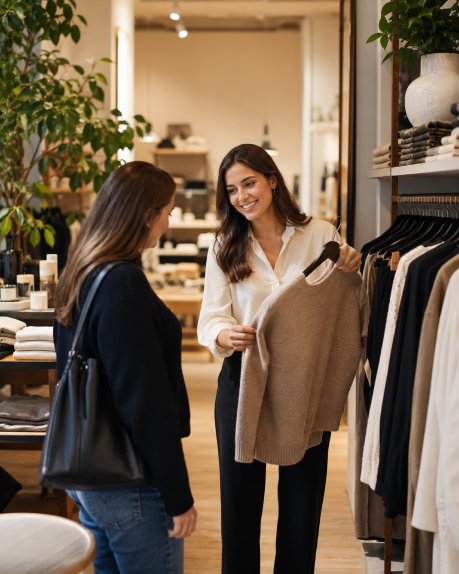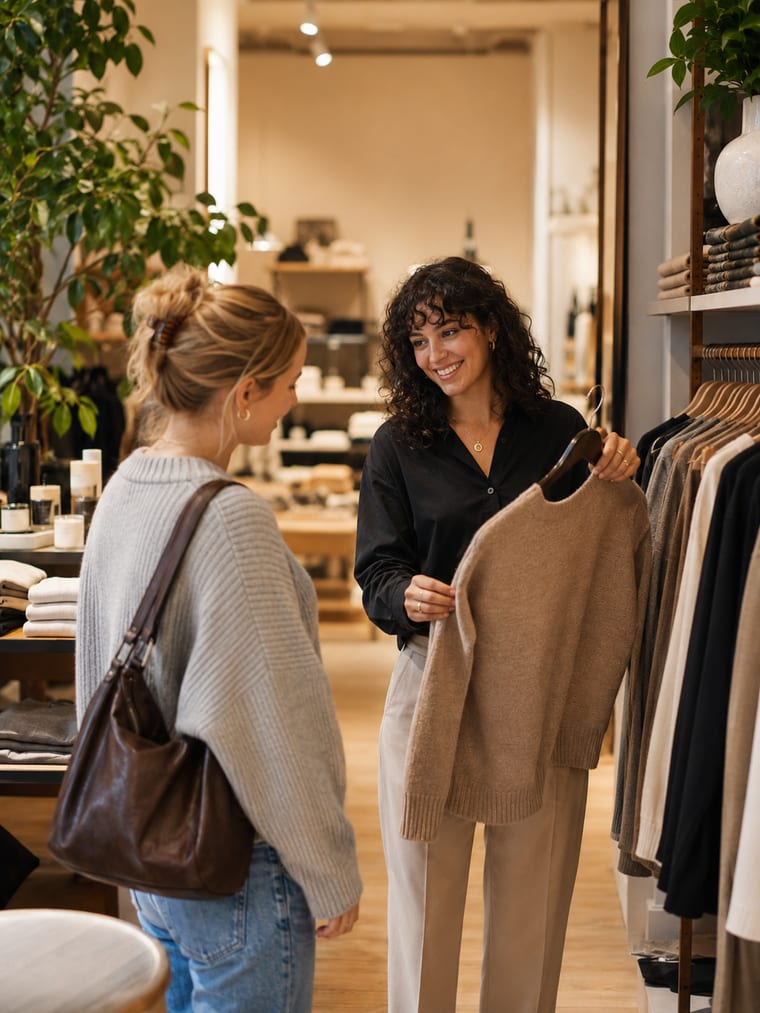
Here is a number worth sitting with: the average small business running Instagram ads targets a radius of 10 to 25 miles around their location. If you run a restaurant, a hair salon, or a boutique clothing shop, your real customer catchment - the zone where 80 percent of your walk-in trade actually lives - is closer to 1 to 3 miles. That gap is not a minor inefficiency. It is the reason your cost-per-result looks broken and your ROAS feels like a lie. You are not running bad ads. You are running good ads to the wrong geography, and the platform is happily charging you for every impression.
Why the Default Radius Is a Budget Drain by Design
Meta's ad setup defaults to a broad radius because broader audiences give the algorithm more room to optimise - which is great for an e-commerce brand shipping nationwide, and disastrous for a business whose product cannot be delivered to a door. When someone 18 miles away sees your ad for a Friday night dinner special and taps through, they almost never convert to a visit. But they still cost you money: the impression, the click, the retargeting pixel fire. Broad targeting does not just waste budget on the front end - it poisons your audience data, teaching the algorithm that low-intent, far-away users are your customer profile.
The Radius Logic That Actually Matches How People Choose Local Businesses
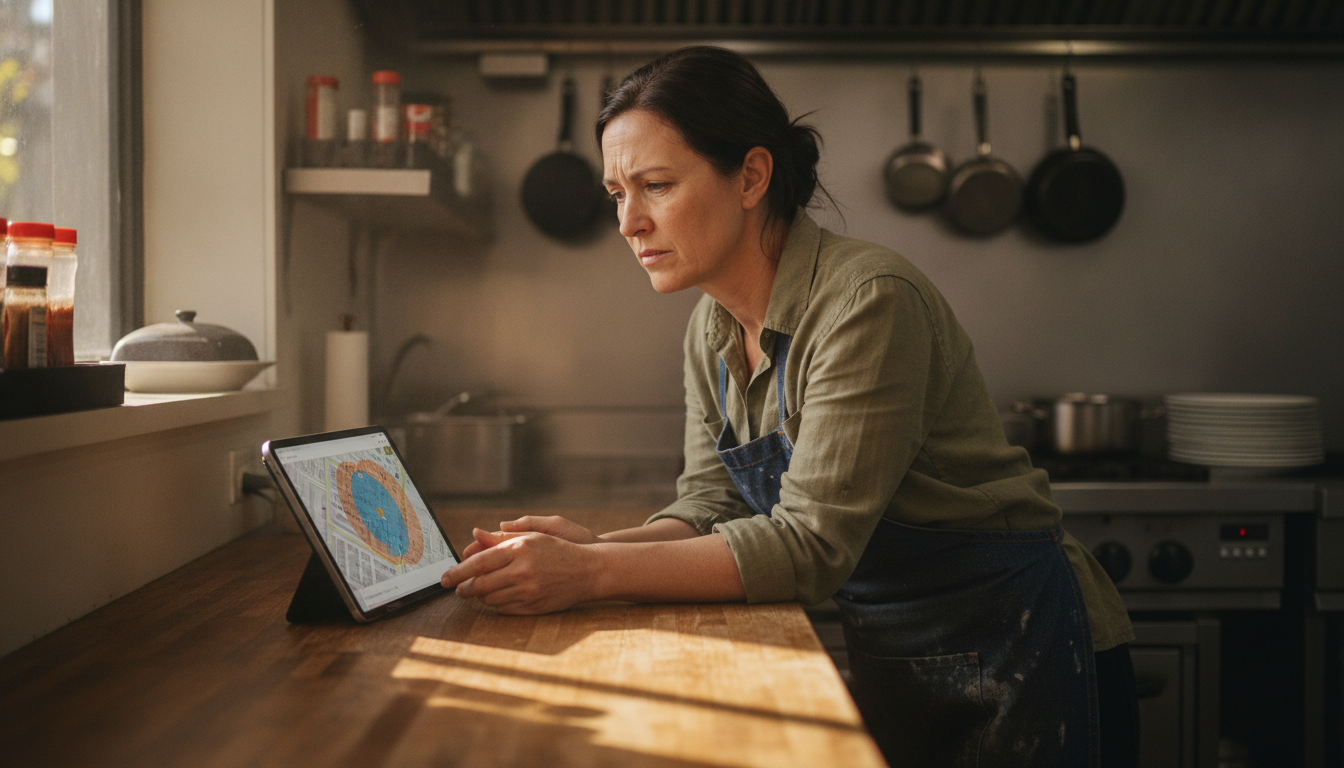
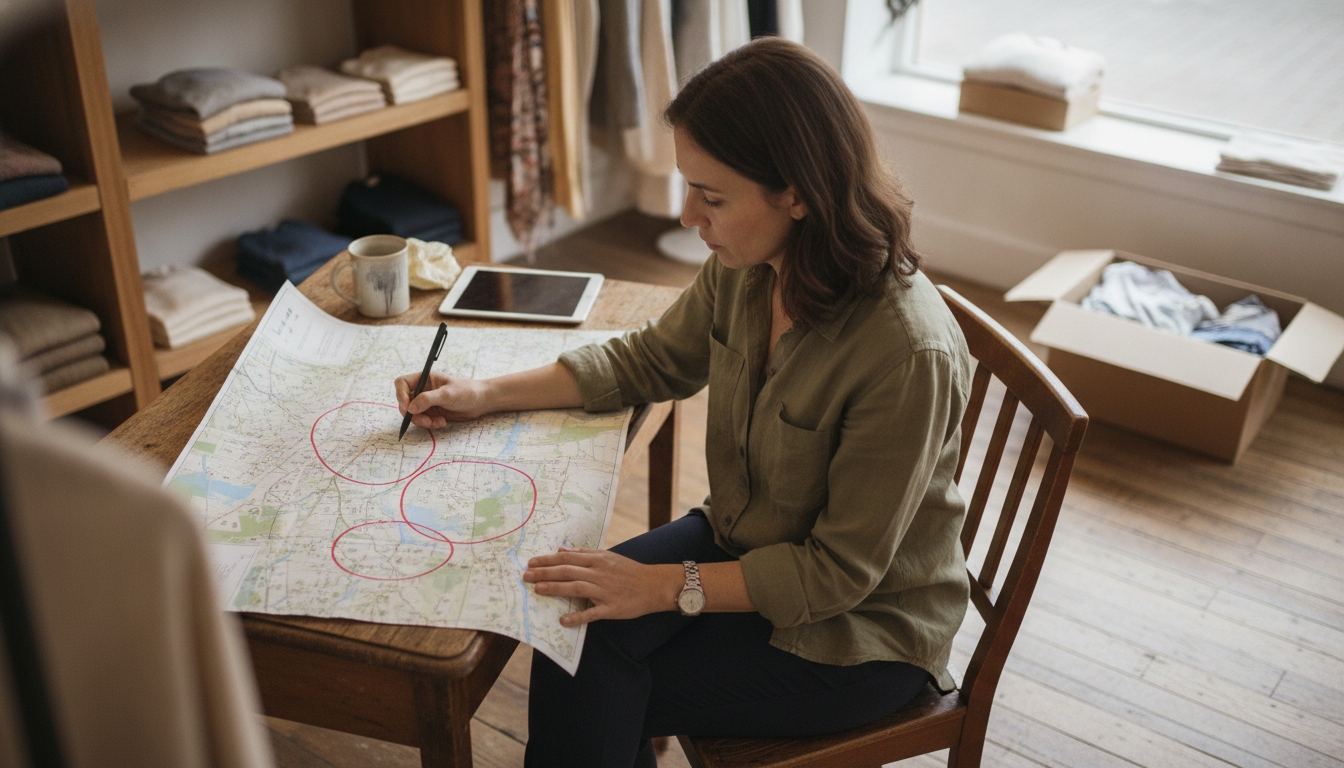
Before you touch a single creative, the most valuable thing you can do is map your real customer geography. Pull your last three months of transaction data - your POS system, your booking platform, your loyalty app - and look at postcodes or zip codes. In most cases you will find the 80 percent concentration zone is tight. That zone is your primary radius. Work outward from there, not inward from a guess.
- Restaurants and cafes: 1 to 2 miles for weekday traffic; up to 3 miles for destination-led weekend dining.
- Hair salons and barbershops: 1.5 to 2.5 miles - customers rarely cross a borough for a trim unless you have a genuine reputation pull.
- Boutique retail and clothing: 2 to 4 miles, with tighter targeting for impulse-purchase categories and wider for considered purchases like furniture or jewellery.
- Gyms and yoga studios: 1 to 2 miles maximum - the commute friction is the single biggest conversion killer in fitness.
- Service providers (dental, medical, legal): 3 to 5 miles, because these are planned decisions - intent and trust matter more than walking distance.
- Food trucks and market stalls: hyperlocal, often under 1 mile, timed to specific locations and days.
Layering Intent Signals on Top of Geography
A tight radius alone is not enough. A 2-mile circle still contains students, tourists, remote workers, and people who moved away last month. Geography narrows the physical pool - intent signals narrow the audience to people actually worth paying for. Stack these layers on top of your radius before you go live.
- Exclude people who have not been in the area recently: use the 'people living in or recently in this location' setting rather than 'people travelling in this location' unless you are explicitly targeting tourists.
- Layer in behavioural interests that signal local intent - dining out, local events, neighbourhood groups - rather than broad lifestyle categories.
- Upload your existing customer list as a Custom Audience, then build a Lookalike capped to your primary radius. You get algorithmic intelligence without sacrificing geographic precision.
- Retarget profile visitors and website visitors who are within your radius - these people already know you exist and are far cheaper to convert.
- If you have POS data, segment your lapsed customers by postcode and run a dedicated reactivation campaign to the radius subset who used to visit regularly.
The best-performing local ad campaign I ever ran had an audience of 4,200 people. The worst had 400,000. Smaller, sharper, and closer wins every single time for a physical business.
Matching Your Offer to Platform Context
Even perfect targeting fails if the offer does not match how people are using Instagram in that moment. Someone scrolling Reels at 7pm on a Thursday is not in research mode - they are in impulse mode. Lead with a specific, time-sensitive reason to act: a quiet table tonight, a last-minute appointment slot tomorrow, a product that is in stock now. Vague brand-building content belongs in your organic feed. Your paid budget deserves a concrete call to action tied to something real and immediate. If the ad cannot answer 'why today, why you, why me specifically' in under three seconds, it will not convert.
The Configuration Step Most Owners Skip Entirely
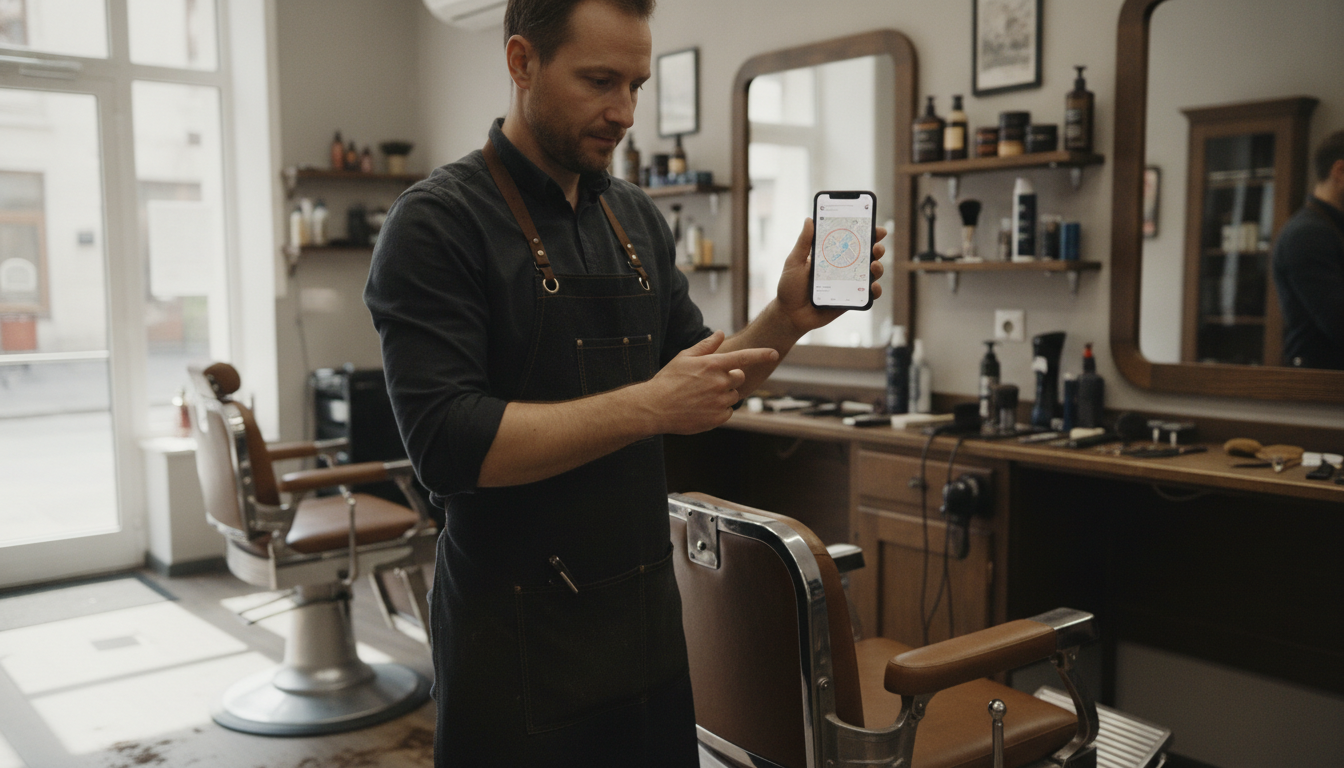
The single biggest gap is not in the ongoing management of a campaign - it is in the first setup. Most local owners either accept Meta's defaults or copy settings from a template that was built for a different type of business. Getting the initial configuration right - radius, audience layers, exclusions, bid strategy, placement - is where the efficiency is won or lost. This is where Rulrr's AI-assisted campaign setup earns its place: it uses your business type, location, and the context of what you are promoting to recommend a starting configuration grounded in local business logic, not generic paid-social defaults. You still control every decision, but you are starting from a framework built for physical commerce rather than one built for scale at any geography.
A Simple Audit You Can Do Before Your Next Campaign
Pull up your current active Instagram ad set. Check three things: the radius (anything over 5 miles for a walk-in business is a red flag), the location setting (switch from 'everyone in this location' to 'people who live in this location'), and whether you are running any audience exclusions. If you have no exclusions at all, you are almost certainly paying for people who have already bought from you, people who are well outside your genuine catchment, and people whose behaviour signals they are not your customer. Fixing these three settings costs nothing and takes under ten minutes. The improvement in cost-per-visit is usually visible within the first 48 hours of the next campaign.
What Good Numbers Actually Look Like for a Local Campaign
Benchmarks matter because without them you have no way to know whether a result is good or a signal to change course. For a physical local business running a properly geo-targeted Instagram campaign, a healthy cost-per-click sits between £0.40 and £1.20 (or $0.50 to $1.50 in the US), depending on category and competition in your area. Cost-per-store-visit, if you have that Meta pixel event active, should sit under £3 to £5 for restaurants and salons in most mid-sized cities. If your numbers are sitting at double or triple those figures, the radius and audience layering is almost always the first place to look - before you touch creative, copy, or budget.
The uncomfortable truth about local paid social is that the platform is not your enemy - your configuration is. Instagram and Meta's ad infrastructure is genuinely powerful for physical businesses when it is told the right information about who you are trying to reach and where they live. Tighten the geography, layer in intent, match the offer to the moment, and get the initial setup right. That combination does not require a bigger budget. It requires sharper decisions at the start.