Saturday at noon, your best table is full, the queue is at the door, and your till is ringing. It feels like the business is firing on all cylinders. It almost certainly isn't. Peak hours are where most local businesses leave the most money on the table - not because customers aren't spending, but because no system exists to capture what they were already willing to spend. The three moves below don't require more foot traffic, a bigger team, or a promotion. They require better timing, smarter placement, and one well-built follow-up sequence. Together, they turn your busiest shift into your most efficient one.
Why Peak Hours Are Your Most Under-Monetised Moment
The instinct during a busy shift is to get through it - turn tables, process orders, keep the queue moving. That instinct is costing you. A customer who walks in during peak hours is already in buying mode. Their decision to spend has been made. The question is whether you shape what they spend, or leave it entirely to chance. Research on consumer behaviour consistently shows that purchase intent is highest in the first 90 seconds after a customer commits to a transaction. That window is almost never used deliberately by small business owners. Instead, upsells happen randomly (or not at all), offers are buried where no one looks, and the customer leaves without any structured reason to return.
The goal during a busy shift shouldn't just be throughput. It should be yield per customer - because the foot traffic is already there.
Move One: Time Your Upsell to the Decision Moment, Not the Greeting
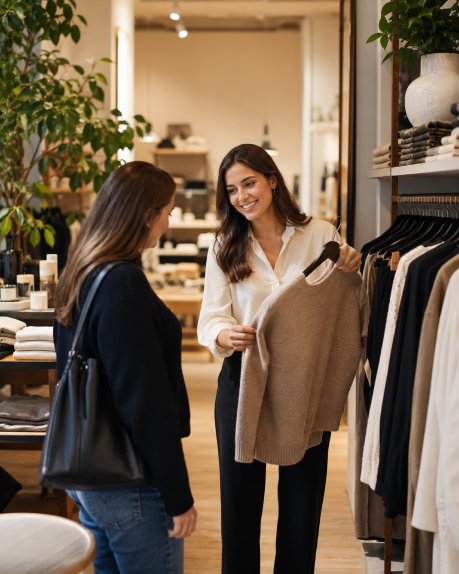
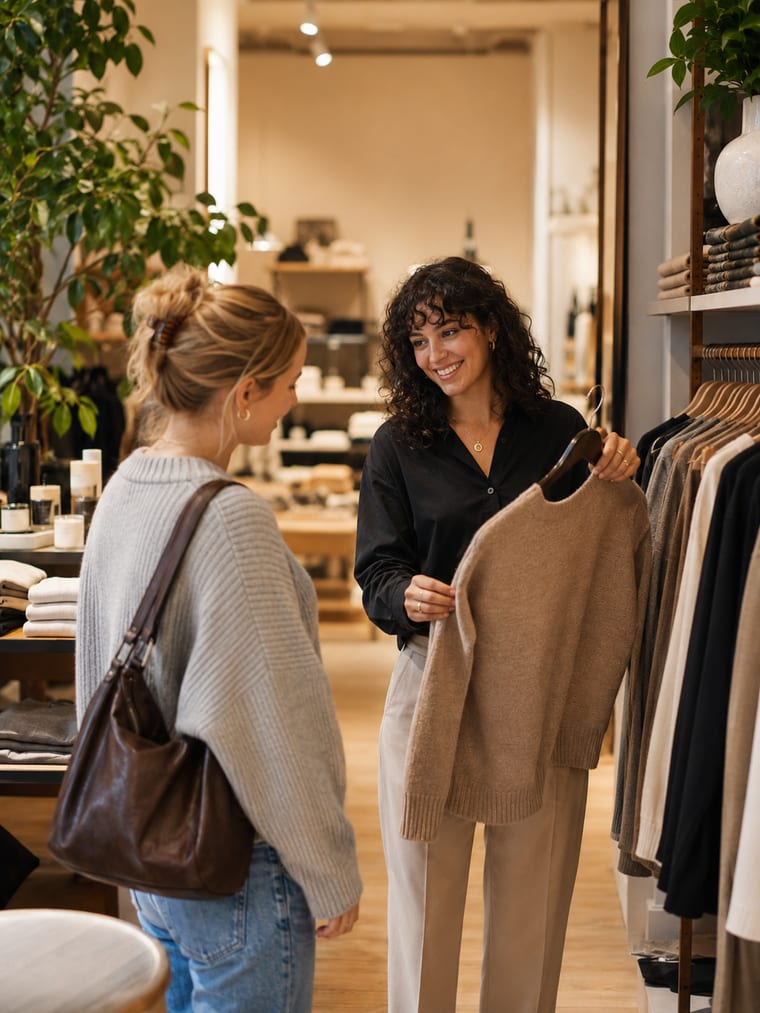
Most upselling happens at the wrong moment. Asking a customer if they want to upgrade before they've committed to their core order creates friction. The brain is still in selection mode and reads the upsell as noise. The highest-converting upsell moment is immediately after the primary decision is locked - when the customer has confirmed what they want and their mental energy shifts from choosing to anticipating. In a cafe, that's the ten seconds after the order is placed, not before. In a retail shop, it's when the item hits the counter, not when they're still browsing. In a salon, it's after the appointment is confirmed, not during the initial booking chat. Train your team - or build your checkout flow - to offer one specific add-on at that exact moment. Not a menu of options. One. The specificity is the conversion mechanism.
- Cafes and bakeries: offer one named food pairing after the drink order is confirmed ('We just got the almond croissants in - want one with that?')
- Retail: surface a single complementary product at the till point when the main item is scanned
- Salons and barbershops: present one treatment upgrade after the core booking is made, with a clear time and price
- Restaurants: have staff recommend one specific starter or side after the main is chosen - scripted, not improvised
- Gyms and studios: offer a class pack or a one-time session upgrade at point of membership purchase or class check-in
Move Two: Place Your Best Offer Where Eyes Already Land
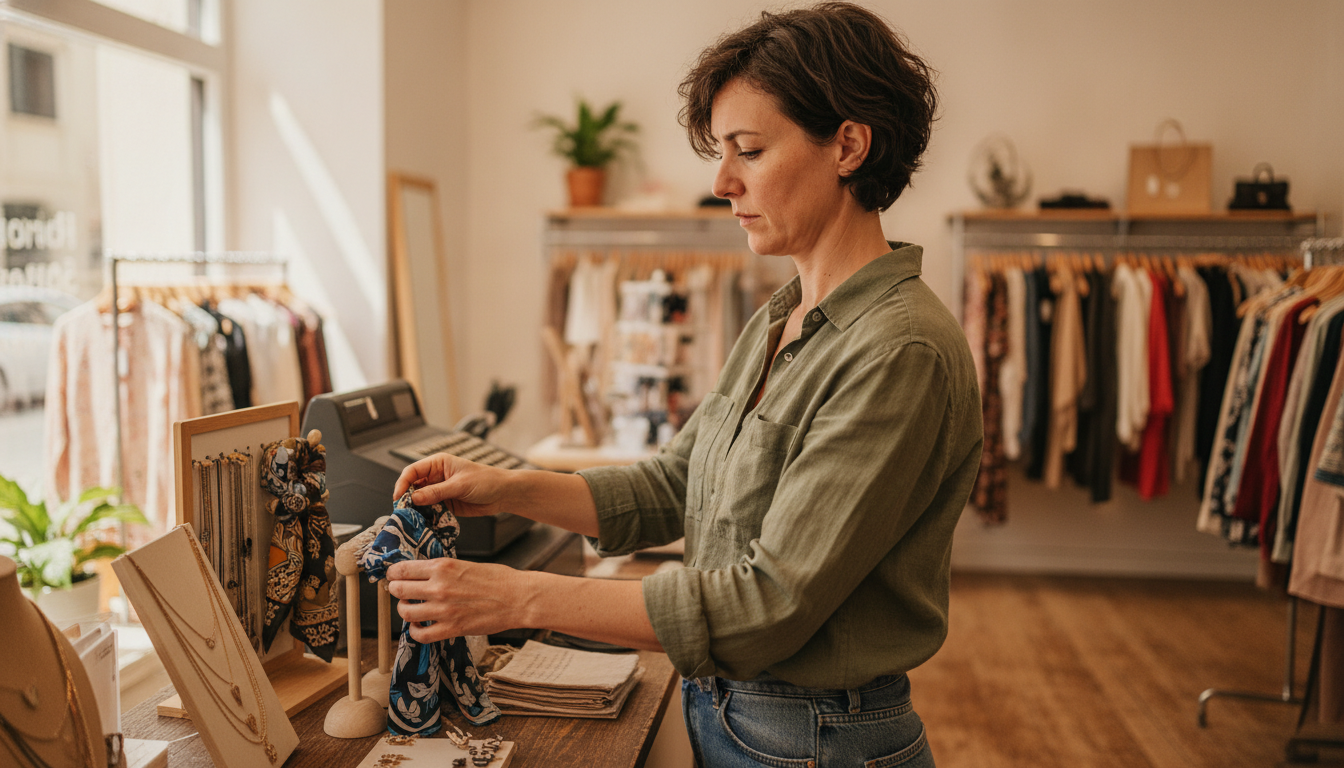
Offer placement is one of the most overlooked revenue levers in physical retail and hospitality. The average customer's gaze follows a predictable path: entry point, the product or menu they came for, and then the point of transaction. Most promotional signage and secondary offers sit in neither of those zones. They're on side walls, in email footers, or on A-frames outside that people walk past without reading. Map your busiest shift and identify the three places every customer's eyes actually go. For a restaurant, that's the menu, the bar, and the till area. For a hair salon, it's the reception desk, the mirror station, and the product shelf within arm's reach of the chair. Put your highest-margin secondary offer in one of those three spots, clearly priced, and change it no more than once a month. Novelty drives attention. Familiarity drives purchase. You need both - novelty to catch the eye, and enough dwell time for the offer to land.
Move Three: Build a Follow-Up Sequence That Runs Without You
The Revenue That Hides in the 48 Hours After a Visit
The busiest day creates your best re-marketing window - and almost no one uses it. A customer who came in on a Saturday is most likely to return if they receive a relevant, personal nudge within 48 hours while the experience is still fresh. Not a generic 'thanks for visiting' message, but something specific: a reminder of the product they asked about, a heads-up that the item they almost bought is running low, or a simple prompt to book their next appointment before the week fills up. This isn't a complex CRM operation. It's three pieces of information captured at point of sale - name, contact, and what they bought - and one message sent at the right time. Platforms like Rulrr let you build these sequences in advance and trigger them automatically from your transaction data, so the follow-up happens consistently whether your Saturday rush leaves you exhausted or not. The sequence runs. The revenue compounds.
Stack All Three and Watch the Maths Change
None of these moves requires a marketing budget, a new hire, or an overhaul of your operations. What they require is intentionality - deciding in advance what happens at each decision moment, rather than leaving it to staff instinct or customer initiative. A 10% increase in average transaction value during your three busiest shifts per week is often more impactful than adding a fourth busy shift. An upsell conversion rate of one in four customers during peak hours, a single well-placed offer that lifts attach rate by 15%, and a follow-up sequence that brings back 20% of Saturday customers the following week: these numbers are not ambitious. They are the baseline outcome of running the three moves with any consistency at all. Start with one. The upsell timing change is the fastest to implement and the easiest to measure. Add placement next. Build the follow-up sequence last, once you have a rhythm. Your busiest day is already doing the hard work of getting people through the door. Make it do the full job.
- Pick one upsell item and train your team to offer it only after the primary order is confirmed - not before
- Audit your floor or counter layout: identify the three gaze points and move your best secondary offer to one of them
- Capture three data points at every transaction: name, contact, and what they bought
- Set a 48-hour follow-up message - one specific, useful line - and schedule it to send automatically
- Review the numbers after four busy Saturdays: transaction value, attach rate, and return visit rate
The businesses that grow fastest aren't always the ones with the most customers. They're the ones who've learned to stop treating peak hours as a logistical challenge and start treating them as a revenue architecture problem - one with a very specific, very solvable solution.