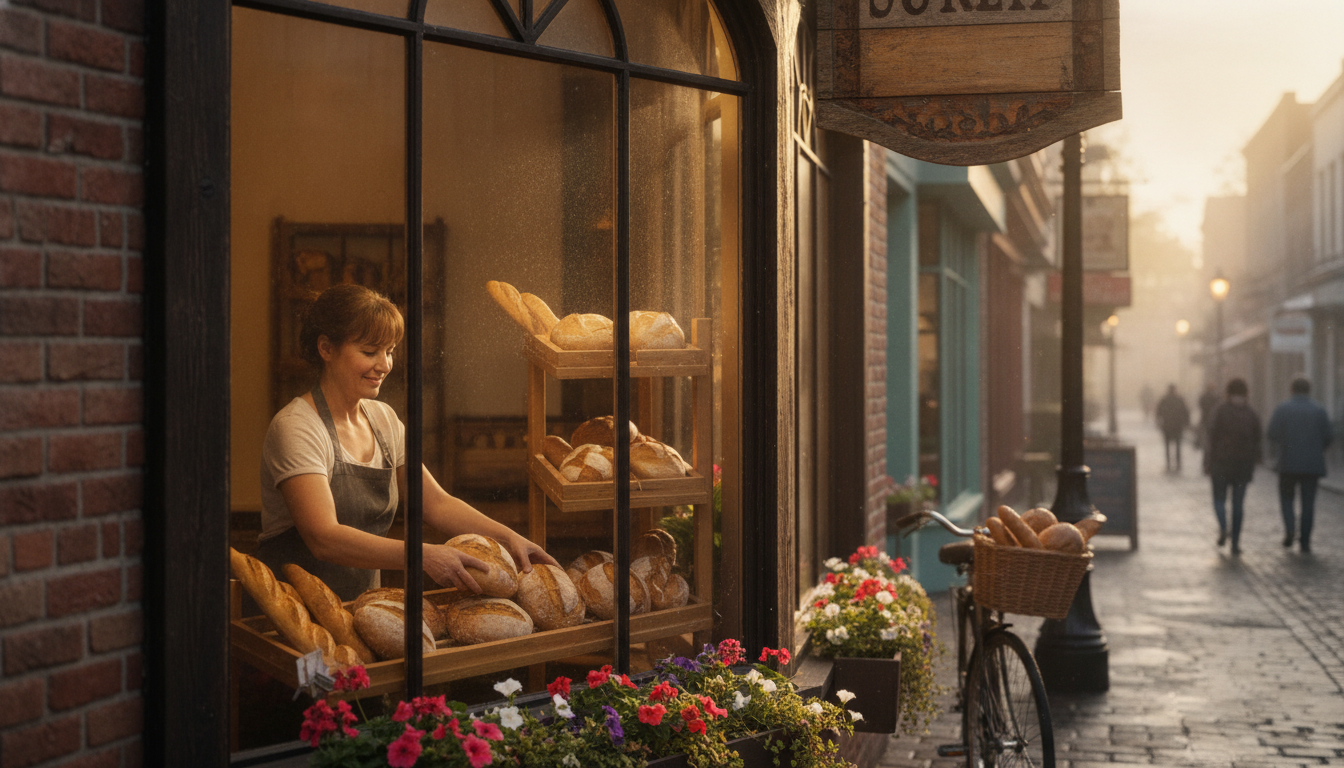
There is a neighbourhood restaurant in Bristol that has not run a paid ad in fourteen months. No boosted posts, no Google Ads, no Meta campaigns. Friday night: fully booked by Wednesday. The owner is not a marketing genius and she does not have a team. She has a sequence - four touchpoints, automated, firing on a schedule she set once and has not touched since. The room fills because the system works, not because she remembered to post something.
Why the £500 Ad Budget Usually Loses
Paid ads are rented attention. The moment you stop paying, the traffic stops. For most local businesses - a salon, a butcher, a yoga studio - the real revenue lever is not acquisition, it is return frequency. A customer who visits twice a month is worth four to six times more than one who visits twice a year. No ad campaign targets your existing base with the precision of a message that says their name and references what they last ordered. The businesses quietly winning on zero ad spend have figured out that owned channels - email, SMS, Google Business Profile, and direct messages - compound. Ads do not.
The Four-Part Stack (and What Each Piece Does)
This is not a complicated system. It is a specific one. Each element does a distinct job, and together they cover the full customer lifecycle without overlap or wasted effort.
1. The Weekly Google Business Update
Google Business Profile posts are seen by people already searching for what you sell - the highest-intent audience you will ever reach for free. A single post per week, published consistently, keeps your listing fresh in Google's ranking logic and gives searchers a reason to choose you over the competitor whose last post was from March. The post does not need to be clever. It needs to be current: a seasonal dish, a new service slot, a staff face, a behind-the-scenes moment. One hundred words and one image, every Tuesday morning.
2. The Thursday Email
Thursday is the highest-converting day for local business emails. People are planning their weekend. A short, direct message - three sentences maximum - with a single call to action (book a table, claim a slot, reserve the special) sent to your list on Thursday morning will outperform a Sunday blast every time. The subject line should reference the week, the weather, or something specific. Not 'Our Latest Newsletter.' Something like: 'Table for two this Friday? One spot left at 7:30.' That specificity creates urgency without a discount.
3. The Lapsed Customer Reactivation Message
Every business has customers who used to come and then stopped. Not because they had a bad experience - just because life moved on and nobody reached out. A message to anyone who has not visited in 60 to 90 days, referencing their last visit and inviting them back, typically converts at two to four times the rate of a cold acquisition ad. It costs nothing to send. The message should feel like it came from a person who noticed they were gone, not a bulk marketing tool. One line of context, one low-friction offer, one clear next step.
4. The One Strong Piece of Weekly Content
Not ten posts. One. The businesses that sustain organic reach are not posting daily - they are posting one piece of content per week that is genuinely worth saving or sharing: a recipe, a how-to, a story about where an ingredient comes from, a before-and-after transformation, a staff pick. That piece becomes the source material for everything else - a shorter caption, a quote graphic, a story clip. One idea, multiple formats, without starting from scratch.
I used to spend £400 a month on Facebook ads and stress every Sunday about what to post. Now I set the system up once a month and the bookings come in. I genuinely do not know why I did not do this years ago.

The Sequence That Makes It Work
The individual tactics above are not new. What most owners miss is the sequencing - the specific order and timing that makes each touchpoint reinforce the last. Here is how a single week runs when the system is dialled in:
- Monday: Google Business Profile post goes live - search intent captured, listing stays fresh
- Tuesday: One strong content piece published to primary social channel
- Wednesday: Lapsed customer reactivation message triggers automatically for anyone crossing the 60-day threshold
- Thursday 9am: Weekly email sends to active list with a single, specific weekend call to action
- Friday: Any post-visit follow-up messages from the previous weekend trigger for customers who have not rebooked
- Saturday: Social content from Tuesday repurposed into a story or short-form clip - zero additional effort
The owner's active time in this system: roughly 45 minutes on Monday to write the Google post and brief the email. Everything else - the reactivation triggers, the follow-up sequences, the scheduling - runs automatically. Platforms like Rulrr are built specifically for this kind of workflow: AI drafts the content, automated triggers fire based on customer behaviour, and the owner sees which messages are converting without having to build spreadsheets to track it.
The One Mistake That Breaks the Whole Stack
Running these four elements in isolation, rather than as a connected system, cuts their effectiveness in half. An email that references a Google post the reader saw yesterday performs better than a standalone email. A reactivation message that mentions something from your recent content feels warmer than a generic 'we miss you.' The stack works because each piece creates context for the next. That context is what turns a passive reader into someone who actually books. If you are running these channels but not connecting them, you are leaving the compounding effect on the table.

What 'Zero Ad Spend' Actually Requires
It is not free in effort - it requires you to build the system once, properly. You need a clean email list (even 200 engaged contacts outperforms 2,000 cold ones), a claimed and complete Google Business Profile, a clear sense of your 60-day lapsed-customer window, and one content idea per week you are genuinely proud of. The automation handles the rest. Owners who try to shortcut the setup and go straight to automating half-built assets get half-built results. Do the foundation work once. Then let the system run.
The Friday night restaurant, the fully booked salon, the butcher with a 200-person email list that sells out the weekend roast joint by Thursday afternoon - none of them are doing something exotic. They built a simple, connected system, automated the repetition, and stopped confusing activity with strategy. The room fills because the right message reached the right person at the right moment. Not because they paid to interrupt a stranger.