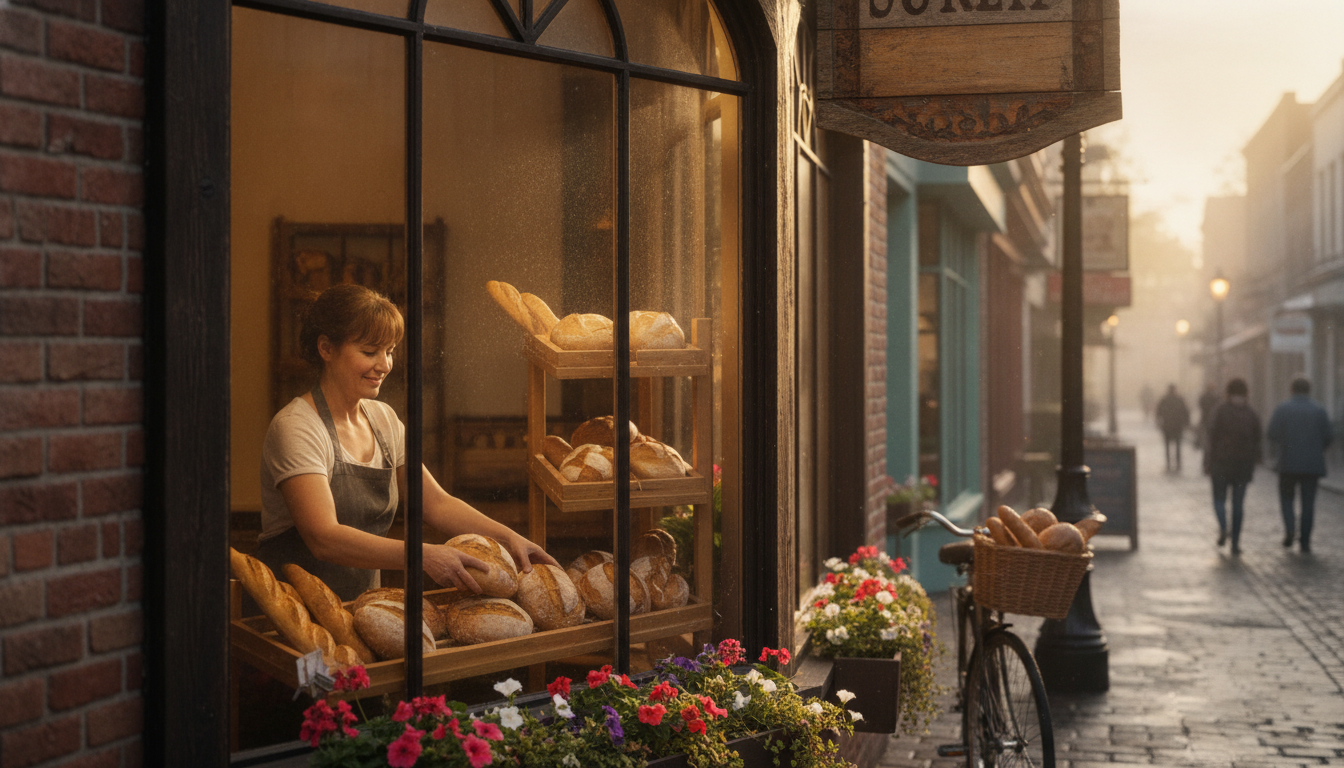
You have a customer who visited your restaurant four times in three months - always a Tuesday, always the pasta, always a good tipper. Then she stopped coming. No complaint on Google, no dramatic final visit. Just gone. Somewhere between week eight and week twelve, she quietly filed you under 'places I used to go' and started going somewhere else. The frustrating part? She liked you. She just needed one reason to come back - and you never gave her one. That reason could have been six words long.
The Hidden Revenue Pool Sitting in Your Sales History
Every local business owner talks about getting new customers. Almost none of them talk about the 200, 500, or 2,000 people who already chose them, spent real money, and then drifted. Those customers are not lost - they are dormant. And dormant customers are dramatically cheaper to reactivate than cold prospects are to acquire from scratch. The math is not close: reactivation typically costs 60-70% less than acquisition, yet it sits at the bottom of most owners' priority lists because it requires one uncomfortable admission: someone left, and you did not notice.
A customer who visited three times is not a lost cause. They are a warm lead with a transaction history. That is more than most paid ad campaigns ever give you.
The Timing Window That Almost Everyone Misses
Before you write a single word of any message, you need to understand lapse timing - because sending a re-engagement message too early is annoying, and sending it too late is pointless. The sweet spot is different for every business type, but the logic is universal: look at the average gap between visits for your repeat customers, then flag anyone who has exceeded that window by 20-30%.
- Restaurant or cafe: if your regulars typically return every 10-14 days, the lapse window starts around day 18. Send the message between day 18 and day 25.
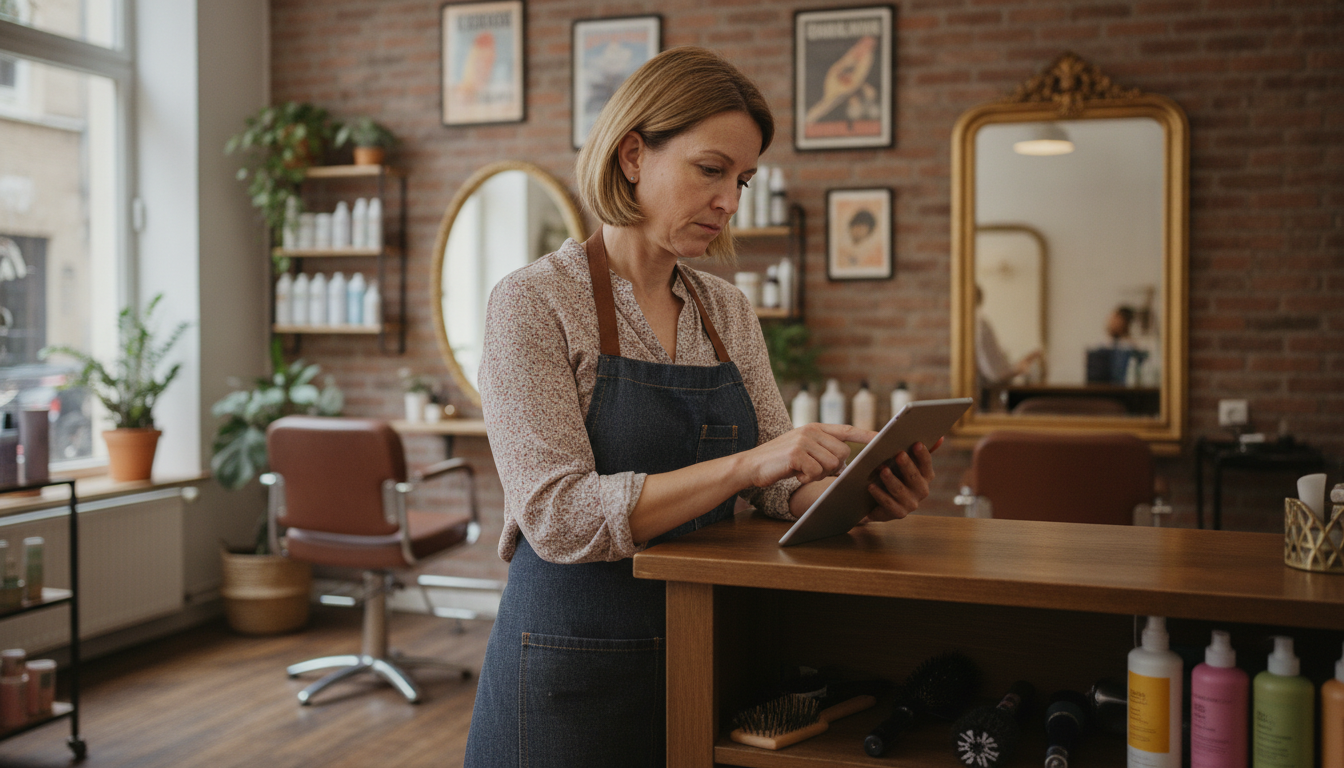
- Hair salon or barbershop: most clients book every 4-6 weeks. Anyone past 9 weeks without a booking is already considering a switch - message them at week 7.
- Retail - clothing or boutique: seasonal cadence matters. A customer who bought in both spring and autumn last year but has not appeared yet this spring is a live re-engagement target right now.
- Gym or yoga studio: a member who attended 3x per week and has not scanned in for 12 days is already mentally 'between memberships' - that is your window.
- Service provider (clinic, cleaner, beautician): if your average client returns every 8 weeks and this one is at week 11, they have probably already googled your competitors.
None of this requires a data scientist. Your POS system, booking software, or even a loyalty app already holds every timestamp you need. Rulrr can connect directly to that transaction data and fire the re-engagement trigger automatically - so the message sends itself at exactly the right moment, without you watching a spreadsheet.
The 6-Word Structure - And Why It Works
The most effective re-engagement messages share three qualities: they are personal (they reference something real), they are low-pressure (they do not scream discount), and they are short enough to read in a glance. Here is the core structure, expressed in six words or fewer for the subject line or opening SMS hook:
- 'We saved your usual table, [Name].' - Works for restaurants. References habit, implies belonging, zero pressure.
- 'Your roots are probably ready, [Name].' - Works for hair salons. Uses the client's own biology as the trigger. Impossible to ignore.
- 'Something new arrived. Thought of you.' - Works for boutiques and retail. Flattering, curiosity-driving, no discount required.
- 'It has been a while, [Name].' - Deceptively simple. Warm without being needy. Works across almost every business type.
- 'Your last visit was 60 days ago.' - Factual and direct. Surprisingly effective for clinics, gyms, and service businesses where health or habit is the context.
What all of these have in common is that they lead with acknowledgement, not promotion. They signal: we noticed you. That is a more powerful emotional lever than a 10% off code - because most lapsed customers did not leave because of price. They left because of friction, forgetfulness, or a competitor who reached out first. You are solving the forgetfulness problem. Do that well, and the discount becomes optional.
The Full Message: What Comes After the Hook
The six-word hook gets the message opened. What follows either closes the loop or kills it. Keep the body to three sentences maximum. Sentence one: acknowledge the gap without guilt-tripping. Sentence two: give them one specific, low-friction reason to return - a new menu item, a freshly available appointment slot, a product restock, a seasonal offer. Sentence three: one clear call to action with a link or phone number. That is the entire message. Here is a worked example for a casual dining restaurant:
'Hi Maria - it has been a while and we miss you. We just added a new Sunday small-plates menu we think you would love. Book a table this weekend: [link].'
That message costs nothing to send via SMS or email. It takes about four minutes to write once you have the template. And if it brings back even 15% of the dormant customers who receive it, the revenue from a single send will outperform most paid ad campaigns you ran last month. The reason most owners never send it is not budget - it is the absence of a trigger. Nobody sits down on a Wednesday and thinks 'let me check which customers have not been in for seven weeks.' That is exactly the kind of pattern-recognition task that an AI-powered system like Rulrr handles without the owner ever needing to look.

Automate the Trigger, Keep the Human Tone
The biggest objection most owners raise to re-engagement campaigns is this: 'I do not want it to feel automated.' That is a valid instinct - and it is also a false choice. The trigger can be automated (customer crosses the lapse threshold, message fires) while the message itself reads as genuinely personal. Write the template once, in your voice, referencing real things about your business. Rulrr handles the timing and the send. Your customer receives something that feels like you thought of them - because in the way that matters most, you did. The system just made sure you never forgot to say it.
One Last Thing: What to Do When They Come Back
Re-engagement is only valuable if the second chapter is better than the first. When a lapsed customer responds and walks back through the door, treat it as a restart of the retention cycle, not a recovery moment. Acknowledge the return warmly but without fanfare. Give them a reason to visit again before they leave - mention what is coming next month, hand them a loyalty card if you use one, ask for their preference on communications. The re-engagement message brought them back. What happens in that visit determines whether they become a regular again or lapse a second time. The second lapse, by the way, is almost always permanent.
The businesses quietly compounding their revenue right now are not running more ads. They are doing something simpler: they are having the right conversations with the right customers at exactly the right moment. Six words at a time.