What a Discount Really Costs
A discount feels like marketing, but it is often just margin handed away. Worse, it teaches your customers a lesson you never meant to teach: that your real price is negotiable and the patient shopper wins. Run enough sales and people simply stop buying at full price, waiting instead for the next markdown that you have trained them to expect.

Bundles Raise the Basket
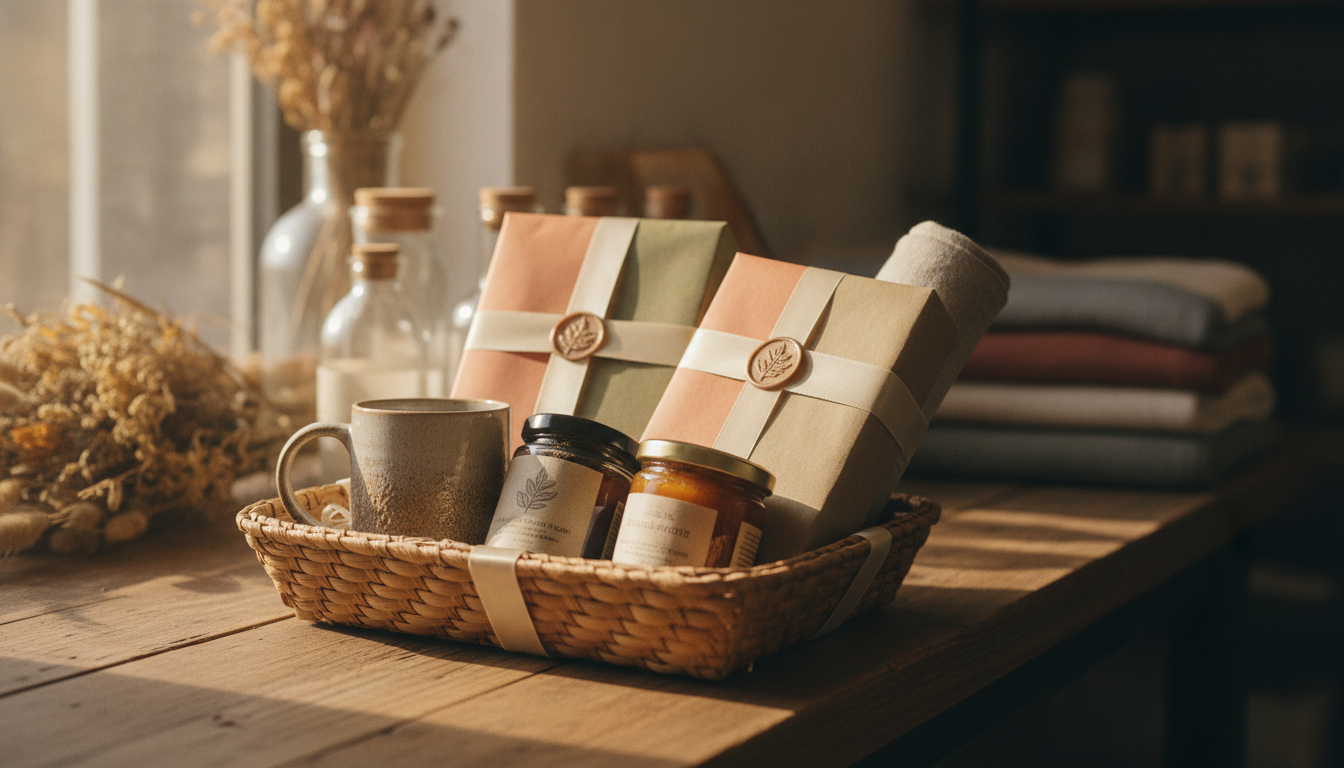
A bundle does the opposite. Instead of lowering the price of one thing, it raises the value of the visit. Pair a strong seller with something slower moving, present it as a complete experience rather than a list of items, and the customer happily spends more because they feel they are getting more. Your average order climbs and your slow inventory moves, all without touching your headline prices.

Sell the Combination, Not the Components
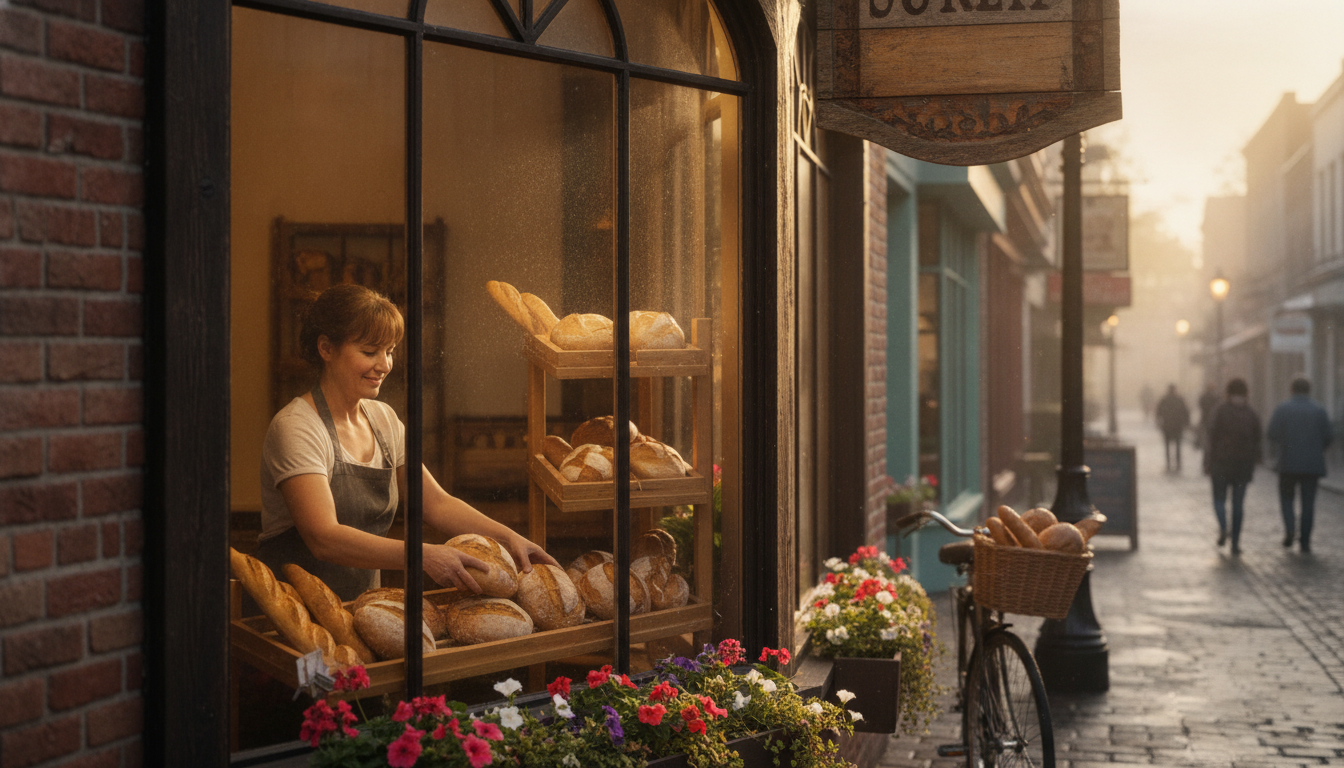
People do not want a coffee and, separately, a pastry. They want the perfect morning. Bundling lets you sell that whole picture, and the whole is always worth more than the sum of its parts. The art is in the pairing: combine things that genuinely belong together, price the set to feel generous, and let the convenience do the persuading.
Discounts compete on price, which you can always lose. Bundles compete on value, which you can always win.
Protect the Price, Grow the Value
You do not have to choose between moving volume and protecting your brand. Bundling lets you do both: customers feel they got a deal, your margins stay intact, and your prices keep their meaning. The next time you reach for a discount, ask whether a smarter combination would do the job better.