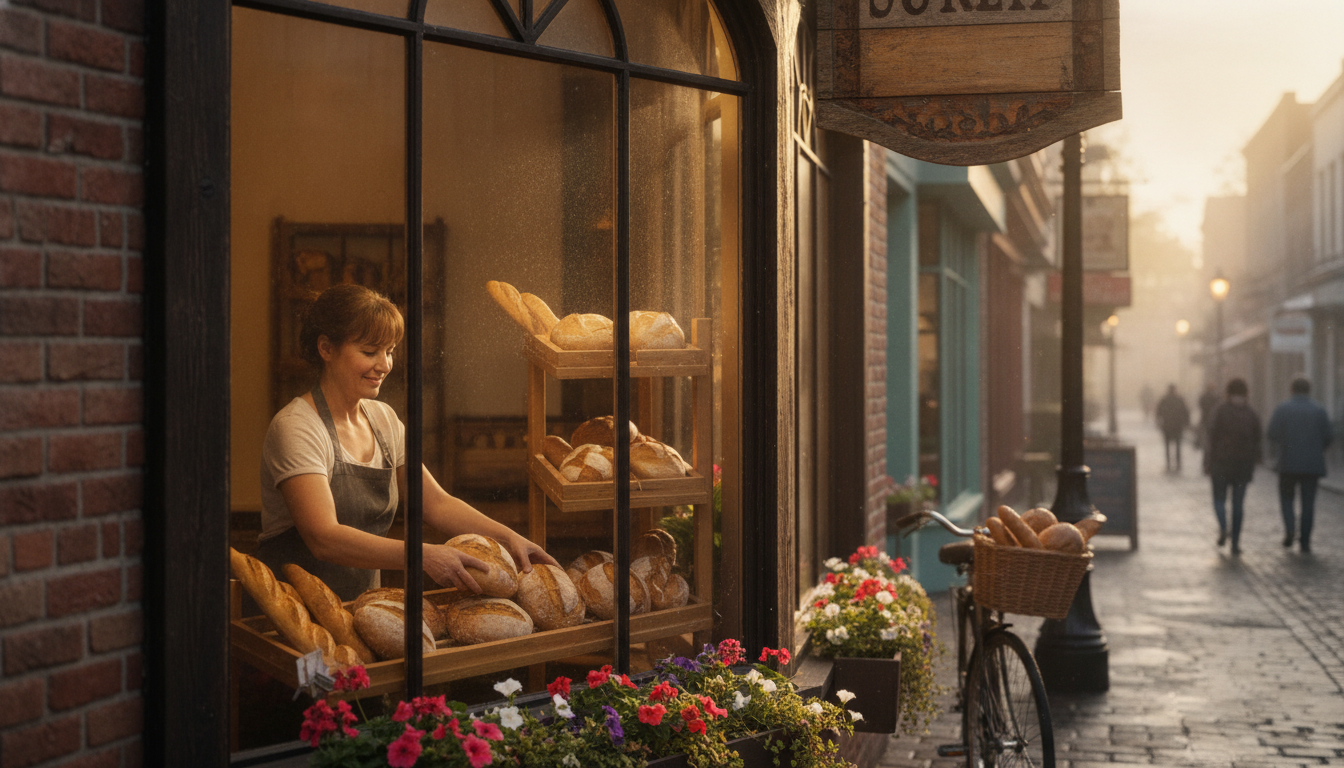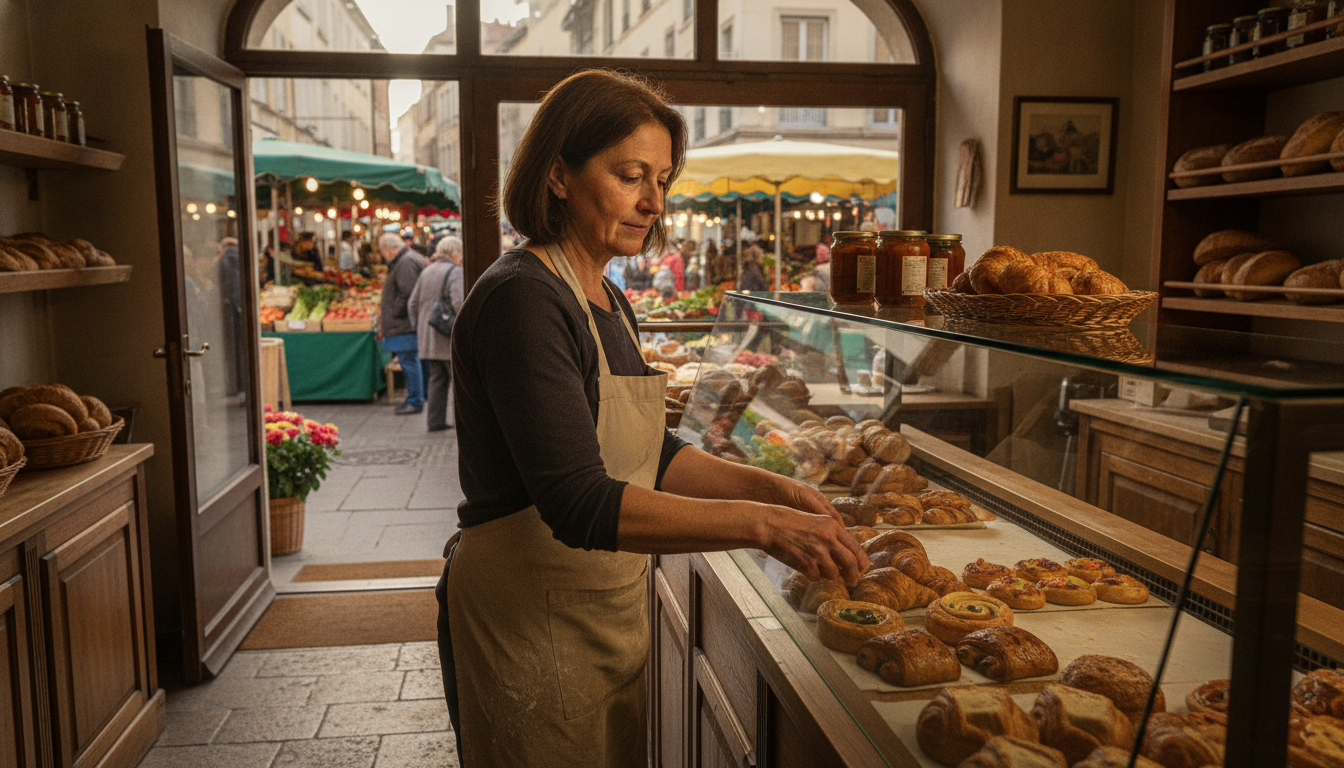
The school summer fair three streets over draws 800 local families on a single Saturday. The Christmas street market outside your postcode's train station pulls more footfall in four hours than your best week of foot traffic all November. The end-of-term Friday in late July sends every parent in a two-mile radius looking for somewhere to celebrate with their kids. These are not niche opportunities. They are the highest-intent demand windows your neighbourhood produces all year - and most local business owners find out about them the week they happen, scramble a last-minute post, and wonder why it landed flat. The businesses that quietly outperform their competitors in Q3 and Q4 are not running smarter ads. They are planning around moments their neighbours actually care about, at least two weeks out, with a clear offer and content ready to go.
Why High-Intent Local Windows Beat Generic Awareness Campaigns Every Time
National brands spend enormous budgets trying to insert themselves into cultural moments they have no organic connection to. You do not need to. Your neighbourhood already generates genuine demand spikes on a predictable schedule - you just need to read the calendar differently. A parent picking up their child on the last day of term is not browsing. They are looking for a reward, a treat, a spontaneous plan. A couple strolling a Sunday street market is not passively scrolling Instagram. They are already out, already in spending mode, already primed to discover something local. The intent level at these moments is orders of magnitude higher than a cold impression on a feed. The only thing missing is your business showing up with the right offer at the right time.
The businesses that win in a neighbourhood are the ones that feel like they belong to it. That means showing up for the moments the neighbourhood actually marks on its calendar.
How to Map Three to Five High-Intent Windows Per Quarter
This is a 45-minute exercise you do once per quarter, ideally six to eight weeks before the window opens. Pull up a blank calendar for the next three months. Then work through four source categories in order.
- School calendar anchors: term end dates, half-term weeks, back-to-school Septembers, prom season, sixth-form results days. These drive family spending, teen spending, and parent-relief spending in very predictable ways.
- Recurring local markets and fixtures: weekly or monthly street markets, farmers markets, artisan fairs, and car boot sales within a half-mile radius. Find their schedule on the council or BID website - most publish the full year in January.
- Community and sports fixtures: local football club home games, parish fetes, charity fun runs, neighbourhood association events, school plays, religious festivals observed by your specific community. These are listed on local Facebook groups, NextDoor, and community noticeboards far in advance.
- Civic and commercial anchors: nearby business openings or closures that redirect foot traffic, road closures that push pedestrians past your door, new transport links, local festivals and food trails organised by your town centre or BID.
- Micro-weather and seasonal inflection points: the first genuine warm weekend of spring, the first frost that makes people want hot drinks, the back-to-dark October evenings. These are not on any calendar but they are highly predictable and they change purchasing behaviour sharply.
Mark every window you find. Then filter ruthlessly. Choose the three to five that have the strongest natural overlap with what you already sell. A cafe near a school gate owns the last-day-of-term window. A boutique clothing shop owns the pre-prom and post-results windows. A barbershop near a football ground owns home match Saturdays. A nail salon in a market town owns market Saturdays from April through September. You do not need to claim every window - just the ones where the connection between the moment and your offer is obvious enough that you can communicate it in a single sentence.

The Two-Week Minimum: Building Your Offer and Content Before the Window Opens
The single habit that separates businesses that capture these windows from those that miss them is lead time. Two weeks is the minimum. Three is better. Here is what that preparation actually looks like in practice - and it is simpler than most owners assume.
- Define a single, specific offer tied to the moment. Not a discount - a value-add or bundle that makes obvious sense in context. A meal deal sized for a family of four on the last day of school. A market-day coffee and pastry pairing priced as a single item. A same-day appointment slot held open every match Saturday. The offer should be easy to communicate and easy to say yes to.
- Write your content brief while the idea is clear. What is the moment? What is the offer? Who is it for? What do you want them to do? One paragraph. This brief becomes the source material for every post, story, and ad you create for that window.
- Plan your posting schedule backwards from the event. For a Friday fixture, post a teaser on the Monday, a clear offer post on Wednesday, and a reminder on Friday morning. Three posts, planned in advance, with a consistent message.
- Brief any team members who need to know. If you are holding appointment slots or running a special menu item, your staff need to know before customers start asking.
- Prepare a simple follow-up. The 48 hours after a high-traffic community event are your best window for capturing repeat visits. A short message to first-time customers or a social post thanking the community for showing up costs nothing and compounds goodwill.
The bottleneck for most owners is not ideas - it is execution time. Sitting down to write three posts, a story caption, and a brief for a local market tie-in on a Tuesday evening after a full service day does not happen. That is the gap where tools like Rulrr actually earn their place: brief the moment, the offer, and the audience once, and the content scaffold - captions, post formats, campaign direction - comes back ready to review rather than ready to be written from scratch. The planning session that used to eat a Sunday night takes one focused weekday hour instead.
What This Looks Like Across Different Business Types
Real-World Patterns Worth Stealing
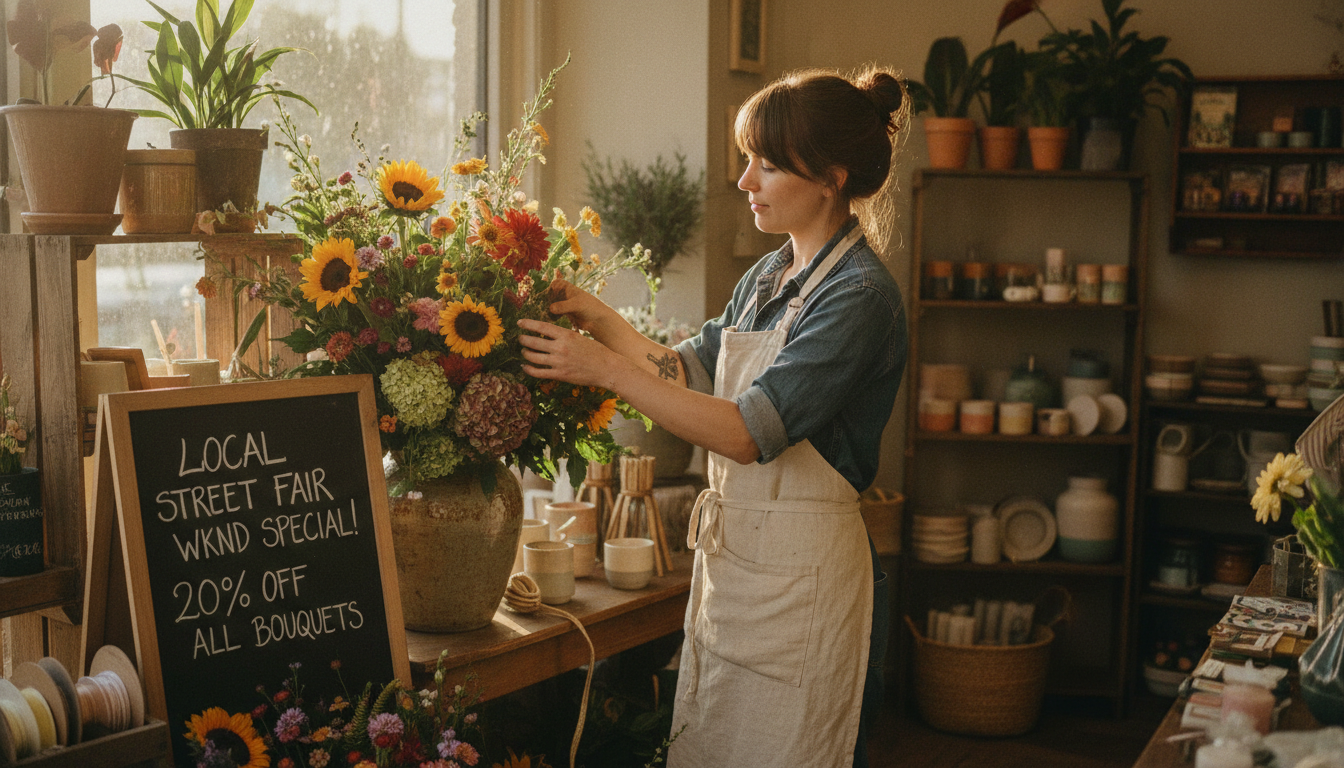
A casual dining restaurant near a secondary school runs a 'Results Day Table' promotion every August - a set menu for groups of four or more, bookable same week, marketed ten days out to local parents on Facebook and via a post in the school's parent WhatsApp community. A yoga studio three streets from a park schedules its open-day taster class to coincide with the neighbourhood's annual summer fair, capturing the foot traffic walking past post-fair rather than fighting for attention mid-event. A pet shop on a high street that hosts a monthly farmers market adds a 'market day bundle' - food, treat, and a free nail clip - available Saturdays only, promoted on the market's own social accounts via a simple cross-promotion agreement. None of these are complicated. All of them are invisible to a national brand running national campaigns.
The asymmetry that makes local marketing powerful is not your budget - it is your specificity. A national chain cannot credibly post about the Year 6 leavers assembly at St. Michael's Primary on Elm Road. You can. That specificity is trust. It signals to your neighbourhood that you are paying attention, that you are one of them, that you understand what this week actually means to the people walking past your door. No amount of paid reach from a head office campaign replicates that signal. You have it by default. The only question is whether you use it deliberately or let it sit idle while you post another generic product photo.
Building the Habit: Your Quarterly Planning Ritual
Block 90 minutes at the start of each quarter. Bring your local events calendar, your school term dates, your own transaction history from the same quarter last year, and a clear view of what you are selling this season. Map the windows. Choose the three to five that fit. Write the one-paragraph brief for each. Set a reminder two weeks before each window opens to build the content and finalise the offer. That is the entire system. It is not sophisticated. It does not require a marketing team. It just requires doing it in advance rather than reacting on the day - which is what almost every competitor in your postcode is doing instead.
I used to think community events were noise around our actual marketing. Now they are the marketing. The footfall on market Saturdays is three times a normal Saturday - we just had to stop ignoring it.
National brands market to countries. You market to a postcode. That asymmetry only works in your favour when you treat it as the strategic advantage it actually is - not the consolation prize you accept for not having their budget. The neighbourhood event you have been ignoring every year is not a distraction from your marketing. It is the highest-quality demand signal your local market produces. Plan for it two weeks out, show up with a clear offer, and you will understand why this beats a month of generic Instagram posts without much contest.