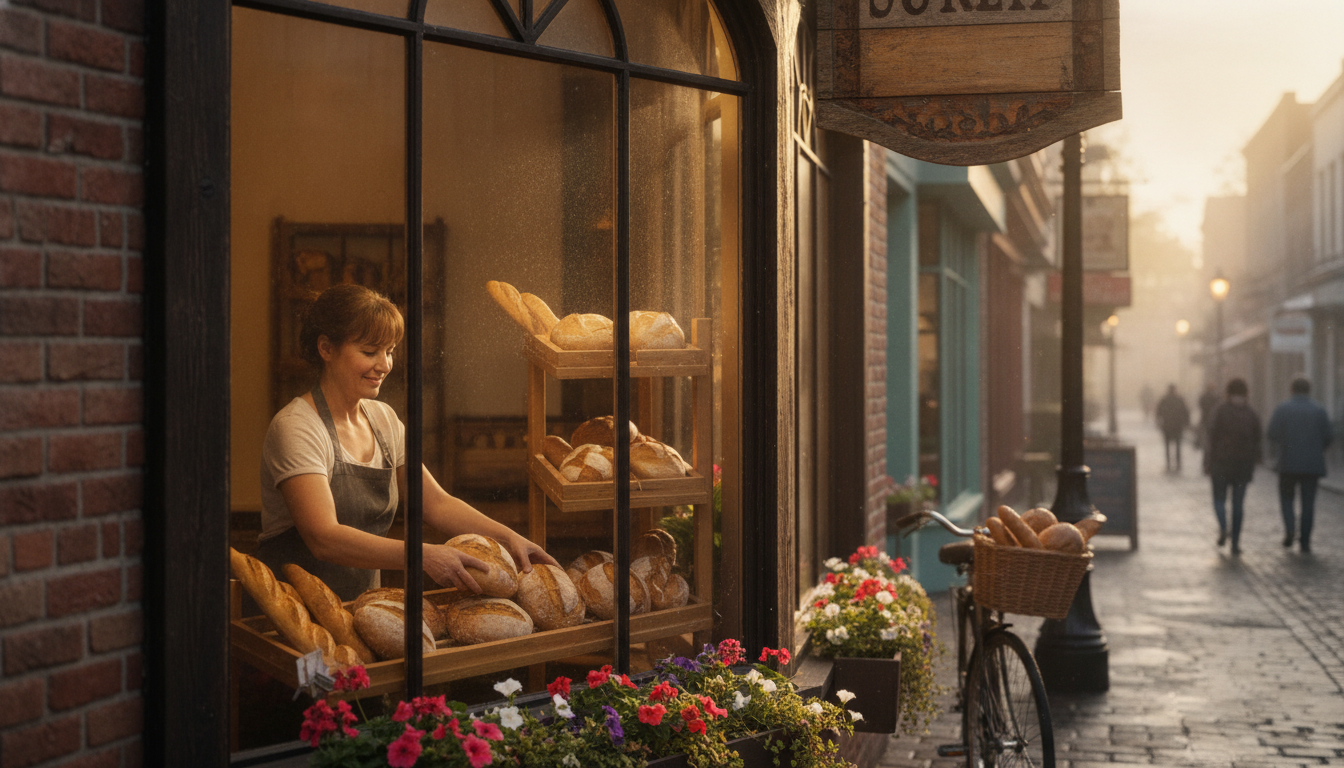
Two local businesses. Same city, same category, same monthly ad budget. One owner is pulling in a steady stream of new faces, watching her cost-per-booking drop month after month. The other ran ads for three months, saw nothing stick, and is now convinced "paid ads don't work for businesses like mine." They are both wrong and right at the same time - because the problem was never the budget. It was everything that happened before the money was spent. Radius. Offer. Sequence. Get those three things wrong and no budget on earth will save you. Get them right, and even a modest spend starts to compound.
Mistake One: The Radius Problem Nobody Talks About
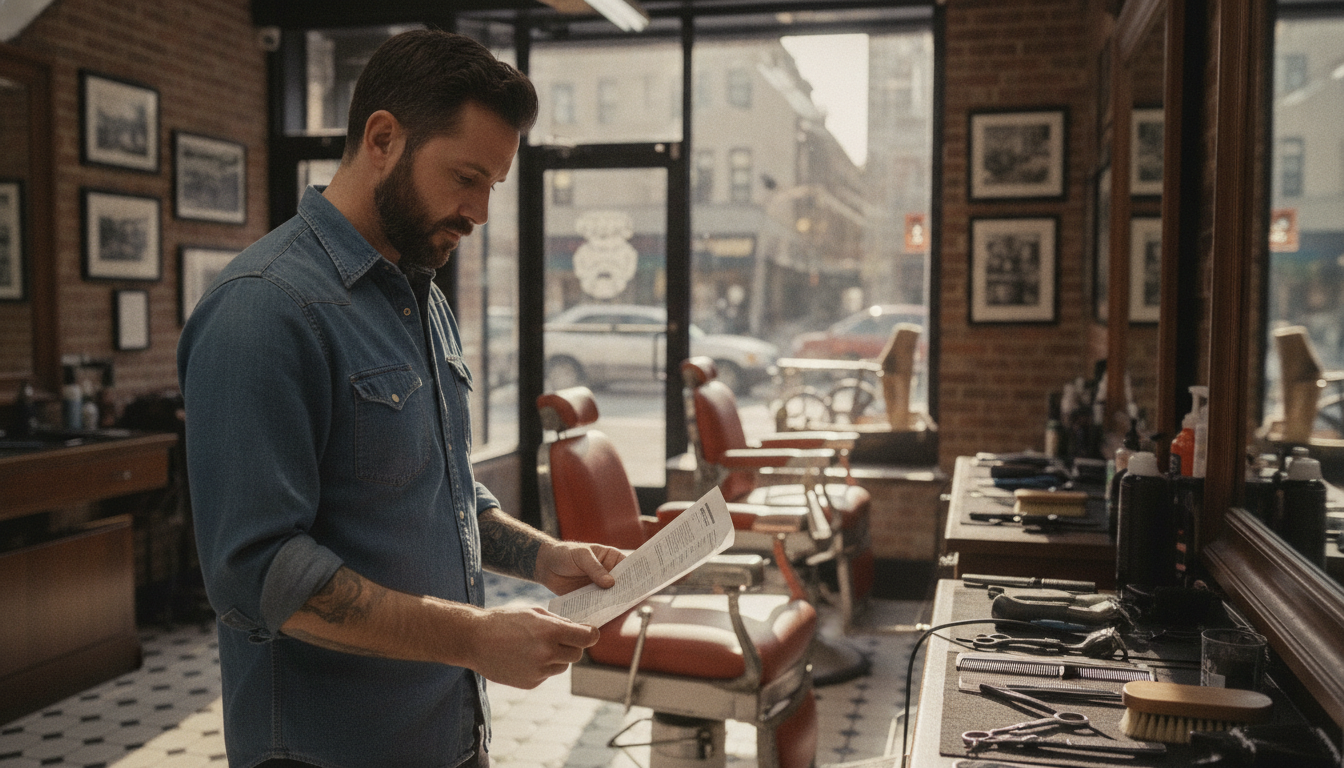
The default targeting radius on Meta's ad setup is far too generous for most physical local businesses. A 10-mile radius around a neighbourhood barbershop or a family-run Italian restaurant sounds sensible until you realise that most of your actual customers live, work, or commute within 2 miles. You are spending a significant chunk of your budget on people who will never make the trip - not because your offer is weak, but because the friction of distance is invisible to the algorithm and invisible to you. Narrowing your radius feels counterintuitive. Smaller reach, less exposure - why would that help? Because the people inside that tighter circle are genuinely likely to walk through your door. Relevance beats reach every time in local advertising. A focused audience of 8,000 people who live three streets away will always outperform a diffuse audience of 80,000 spread across a city.
- For restaurants, cafes, and salons: start with a 1.5 to 2-mile radius and expand only once you have a baseline conversion cost to compare against.
- For service businesses like cleaning, moving, or events companies: target by neighbourhood clusters where you already have jobs, not by city-wide radius.
- Layer in demographic and interest filters only after geography is locked - not before. Geography is your foundation.
- Use Google's local campaign type or Meta's Store Traffic objective specifically - they are built for physical footfall, not general awareness.
- Check your campaign placement breakdown: if a large share of impressions are going to users outside your serviceable area, pull the radius in immediately.
Mistake Two: Running an Ad With No Real Offer Differentiation
Most local ad creative commits a slow, expensive crime: it describes the business rather than giving someone a reason to act today. "Best pizza in Shoreditch." "Award-winning hair salon." "Friendly, professional service." These are claims. They are not offers. A person scrolling their feed at 7pm on a Tuesday needs something sharper than a claim - they need a reason to choose you over the three other options they are vaguely aware of, right now, not eventually. Offer differentiation does not mean discounting. It means being specific. "Free garlic bread with any main, this week only" is an offer. "10% off your first appointment, booked before Friday" is an offer. "Bring a friend and both treatments are half price on Wednesdays" is an offer. Specificity creates urgency. Urgency drives action. The businesses that see consistent returns from paid ads almost always have an offer that is time-bounded, clearly valuable, and impossible to confuse with the competition.
An ad without a specific offer is just a reminder that you exist. And most of your potential customers already forgot you existed the moment they scrolled past.
Mistake Three: Treating Cold and Warm Audiences the Same Way
This is the mistake that costs the most money and gets talked about the least. Cold audiences - people who have never heard of your business - require a completely different message than warm audiences - people who have already visited, followed you, or clicked one of your previous ads. Most local owners run one campaign to everyone and wonder why conversion rates are so low. The math is painful: cold audiences need trust-building and reason-to-visit. Warm audiences need a nudge, a reminder, or an exclusive offer to come back. When you conflate the two, you burn cold budget on people who are not ready to act, and you fail to capitalise on the warmest leads you will ever have - the people who already know you. The sequence that actually works follows a clear logic: spend a smaller share on retargeting first (custom audiences built from website visitors, Instagram engagers, or your customer list), prove the return there, then scale cold spend with confidence. Most local businesses have this ratio completely backwards.
- Build a custom audience from your customer email list or phone numbers and run a retargeting campaign before spending a single penny on cold traffic.
- Create a separate ad set for people who have visited your Instagram profile or engaged with your posts in the last 60 days - these are your warmest digital leads.
- If you take bookings online or run an e-commerce function, install the Meta pixel or Google tag immediately so that site visitor retargeting becomes possible.
- For cold audiences, lead with social proof - reviews, real photos from inside the venue, recognisable street context. Make it feel local and trusted, not polished and generic.
- Allocate roughly 30% of your monthly budget to retargeting warm audiences before scaling cold spend. Adjust the ratio based on which cost-per-result is lower after 30 days.
The Work That Happens Before the Ad Is Made
The uncomfortable truth behind most failed local ad campaigns is that they were set up in a hurry. A quick budget entry, a boosted post, a photo from three months ago, and a vague hope that the algorithm would do the rest. The businesses consistently generating returns from paid spend share one habit: they do the structural thinking before they touch the creative. Audience definition, offer clarity, radius logic, campaign sequence - these decisions take an hour to get right and save weeks of wasted spend. This is exactly where tools like Rulrr's campaign engine earn their place: not by replacing your judgment, but by accelerating the brief. The AI works through audience logic, offer framing, and creative direction before a single image is produced or a single pound is committed - turning what most owners skip (because it feels complicated) into a starting point they can actually act on.

What a Structurally Sound Local Campaign Actually Looks Like
A well-built local paid campaign is not complicated - but it is deliberate. It starts with a tight geographic radius matched to where your actual customers come from. It leads with a specific, time-sensitive offer that gives a stranger a reason to act today. It runs two audience layers in parallel: a retargeting pool of people who already know you, served a loyalty or return-visit offer; and a cold local audience, served a trust-first message with real social proof. The creative is simple and recognisable - a real photo, a clear headline, a single call to action. And it is reviewed after 14 days with the willingness to cut what is not converting and double down on what is. That is the whole system. Not glamorous. Not complicated. Just structured.
The Three Questions to Ask Before You Spend Another Penny
- Is my radius actually matching where my customers live and work - or am I paying to reach people who will never make the trip?
- Does my ad contain a specific, time-bounded offer - or am I just describing my business and hoping that is enough?
- Am I running separate campaigns for people who already know me versus people who have never heard of me - or treating everyone the same?
Three questions. Most owners who have "tried ads and they didn't work" cannot give a clean answer to any of them. That is not a critique - it is the gap. Paid advertising for local businesses is not a lottery. It is a system. And systems, once they are structured correctly, do not just work once - they compound. Every retargeting list gets richer. Every conversion teaches the algorithm something useful. Every pound spent on a warm audience builds data that makes your cold audience targeting sharper the following month. The businesses that crack this are not outspending anyone. They are just starting from the right place.