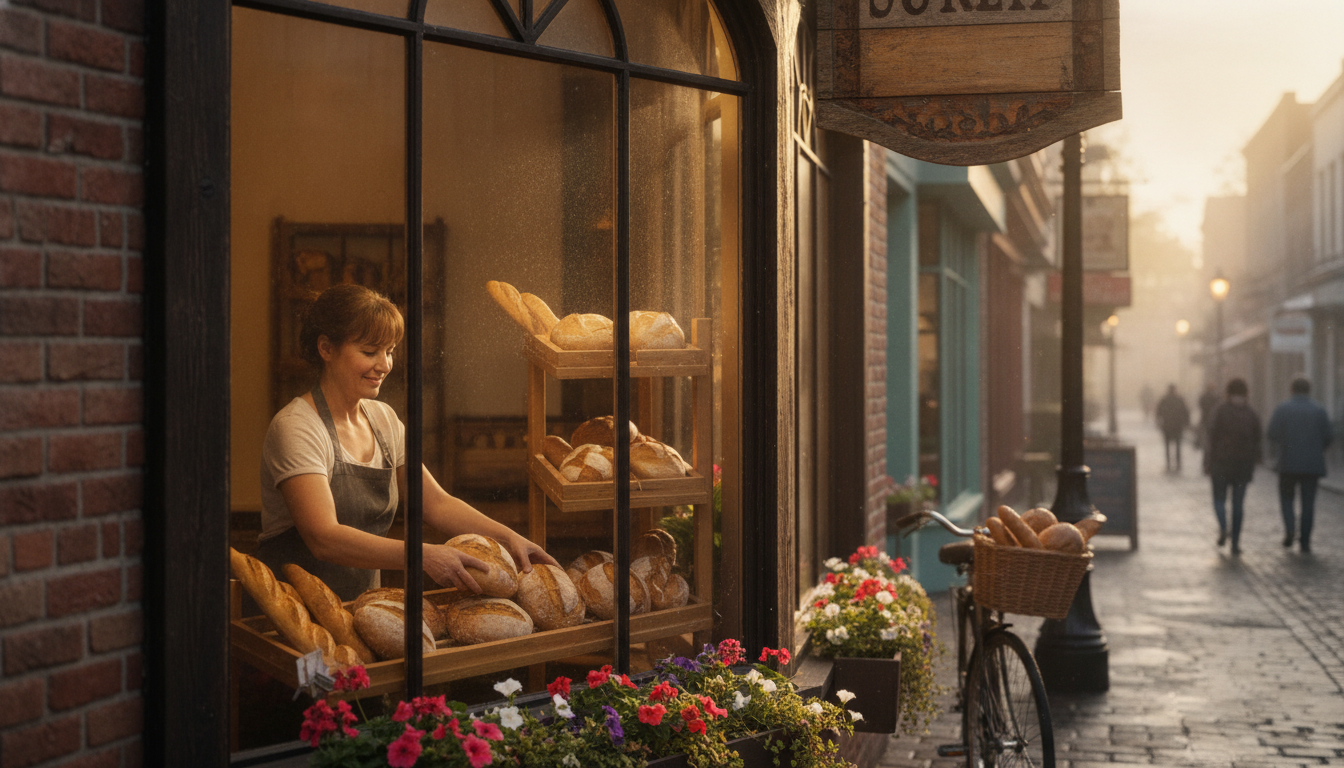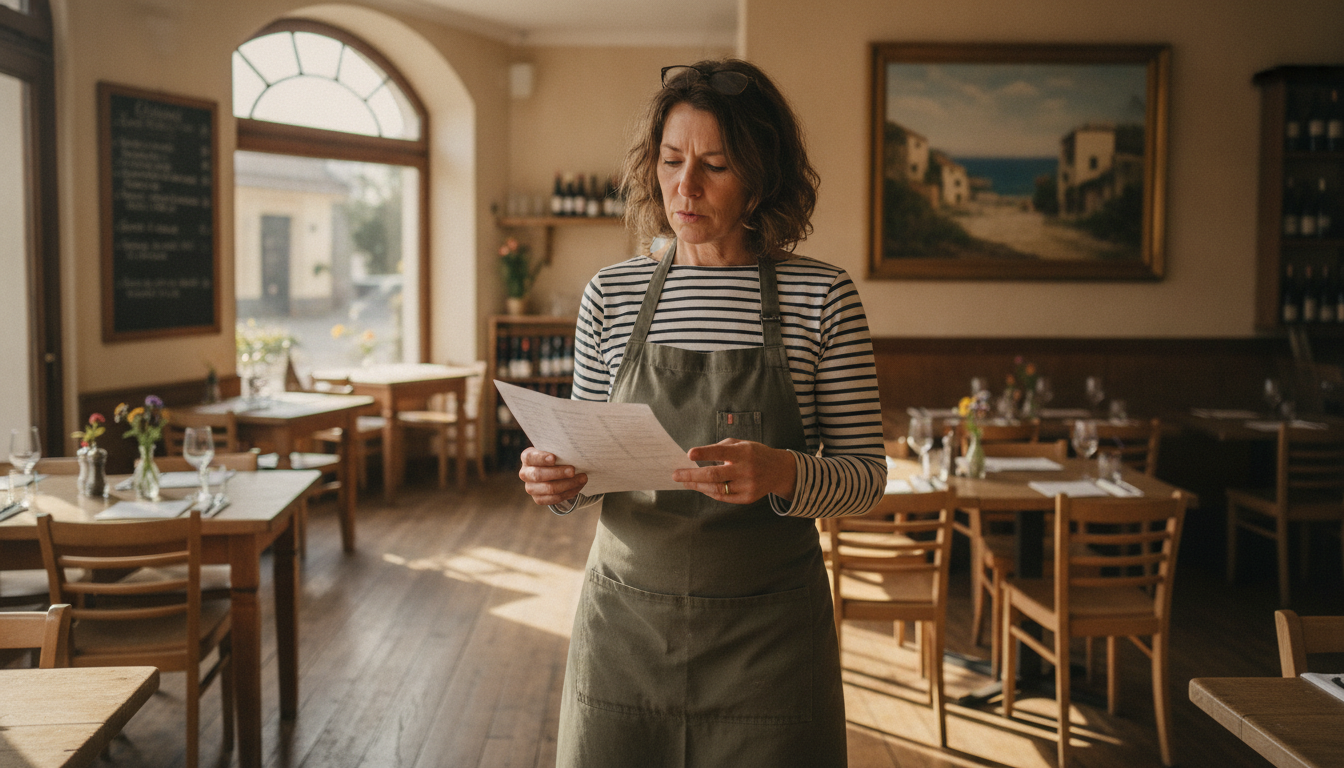
Two days in the same business. Saturday: your team is stretched, the kitchen is backed up, you are turning people away at the door and still somehow not making the margins the revenue should deliver. Wednesday: two tables for lunch, a slow dinner service, and a full prep team you are paying regardless. If this rhythm sounds familiar, you already know the pain - but the cause is structural, not seasonal. You do not have a slow Wednesday problem. You have a demand distribution problem. And the answer is not a mid-week discount that conditions your best customers to wait until Tuesday before they book anywhere.
Why Blanket Promotions Make the Problem Worse
The instinct is understandable. Wednesday is quiet, so you drop the prix fixe price by 20%, post it to Instagram, and wait. A few tables fill. You repeat it the following week. Then the week after. Within a month, a segment of your regulars has been trained to book mid-week - not because their schedule changed, but because they are now waiting for the deal. You have not moved demand. You have sold your margin to people who would have paid full price anyway. The customers you actually needed to reach - the ones who are genuinely flexible on timing but have no particular reason to choose Wednesday - never saw the post at all.
A discount does not move a customer who was never going to come on a Wednesday. It just reprices the ones who were already flexible.
Step One - Find the Customers Who Are Already Flexible
Before you write a single message, you need to identify which segment of your customer base actually has schedule flexibility. This is easier than it sounds, because the data is sitting in your transaction or booking history right now. Look for three groups specifically.
- Customers who have visited on both weekend and weekday dates in the past - they have already shown they are not locked to a particular day.
- Customers whose last three visits were all on the same day of the week - these are your schedule-anchored regulars. Do not waste mid-week messaging on them; they are unlikely to shift.
- Customers who visited frequently 3-6 months ago but whose visit rate has dropped - they are not gone, but their habit has weakened. A well-timed mid-week nudge can reactivate them without a price cut.
- New customers who visited once on a Saturday - first-time visitors have no established pattern yet. You can shape their behaviour before it calcifies.
- Groups and work-adjacent customers - lunch bookings, table sizes of four or more on a weekday, corporate card transactions. These people can often choose their timing.
Most booking systems, loyalty platforms, and even basic point-of-sale records will give you enough to build these lists. You do not need a data team. You need 30 minutes and a filter. Rulrr can pull this kind of customer segmentation directly from your transaction history and turn it into a targetable list for a campaign - but even a manually sorted spreadsheet will outperform a blanket Instagram post aimed at nobody in particular.
Step Two - Build the Incentive Structure That Does Not Train Bargain Behaviour

There is a meaningful difference between a discount and a reason. A discount says 'this is worth less on Wednesday.' A reason says 'here is something you get on Wednesday that you cannot get on Saturday.' The goal is to associate your quieter days with a specific value, not a reduced price. Here are the incentive structures that shift demand without teaching customers to hold out.
- Access, not price - Wednesday bookings get the window table, the chef's tasting menu that is 86'd by Friday, the full appointment slot with no waiting. Scarcity framing that favours the quiet day.
- Add-on value - a complimentary side dish, a 15-minute add-on to a treatment, a free consultation that gets skipped in peak hour. The core price stays intact; the experience is richer.
- Sequence incentives - 'Book your next visit on a Tuesday or Wednesday and we will guarantee your preferred stylist.' For regulars with a strong preference, this is genuinely compelling.
- Early access to new things - a new menu, a new product line, a new service. Mid-week regulars get it first. This creates a distinct identity for your quieter days rather than a discount label.
- Group uplift - a slight table upgrade or a small group discount for parties of four or more on mid-week evenings. You are filling the room with a single booking rather than individual tables.
Step Three - Time the Message to the Moment, Not the Calendar
Timing is the most underused lever in local marketing. Sending a Wednesday offer on a Wednesday is too late - the decision has already been made. The right window for a mid-week push is Sunday evening or Monday morning, when your customers are mentally planning their week. That is when a message that says 'we have two open slots on Wednesday evening - here is what makes it worth it' lands in context. It is also worth targeting customers 48-72 hours after their last visit, when they are most likely to be thinking about coming back. The visit is recent, the experience is fresh, and the propensity to book again is at its highest point in the entire customer cycle.

Targeted Beats Broad, Every Single Time
A mid-week campaign sent to 80 carefully chosen customers - the flexible ones, the lapsed ones, the new visitors - will consistently outperform a promotion blasted to your entire list or posted publicly on social. The reasons are practical: a smaller, relevant audience has higher intent, the message can be specific to their history with you, and you avoid the margin erosion that comes when price-sensitive customers who were already coming on Saturday see the offer and reschedule. When Rulrr builds mid-week campaigns from segmented customer data, the targeting itself does most of the work before a single message is written. The copy just closes it.
The Message That Actually Gets a Booking
Keep it short, personal, and specific. Reference their last visit if you can. Name the day. Name the reason. Name the action. Something like: 'We have had a few Wednesday evening spots open up this week - and we are running the new tasting menu for the first time. You tried the autumn version last time. This one is different. Book here.' That is not a promotion. That is an invitation. The customer feels known, not targeted. The booking happens because the message arrived at the right moment, to the right person, with a real reason attached. That combination - segment, timing, specific value - is the entire system. It does not require a marketing department. It requires the discipline to stop sending the same message to everyone and start sending the right message to the right 80 people.
Uneven demand will never fully flatten - Saturday will always be Saturday. But if you can shift even 15-20% of your flexible customers toward your quieter slots, the operational impact is significant: lower staff stress at peak, better product and experience quality when you are at capacity, and margin-positive revenue on the days that currently cost you money just to open. None of that requires a discount. It requires knowing your customers well enough to make Wednesday feel like the smarter choice.