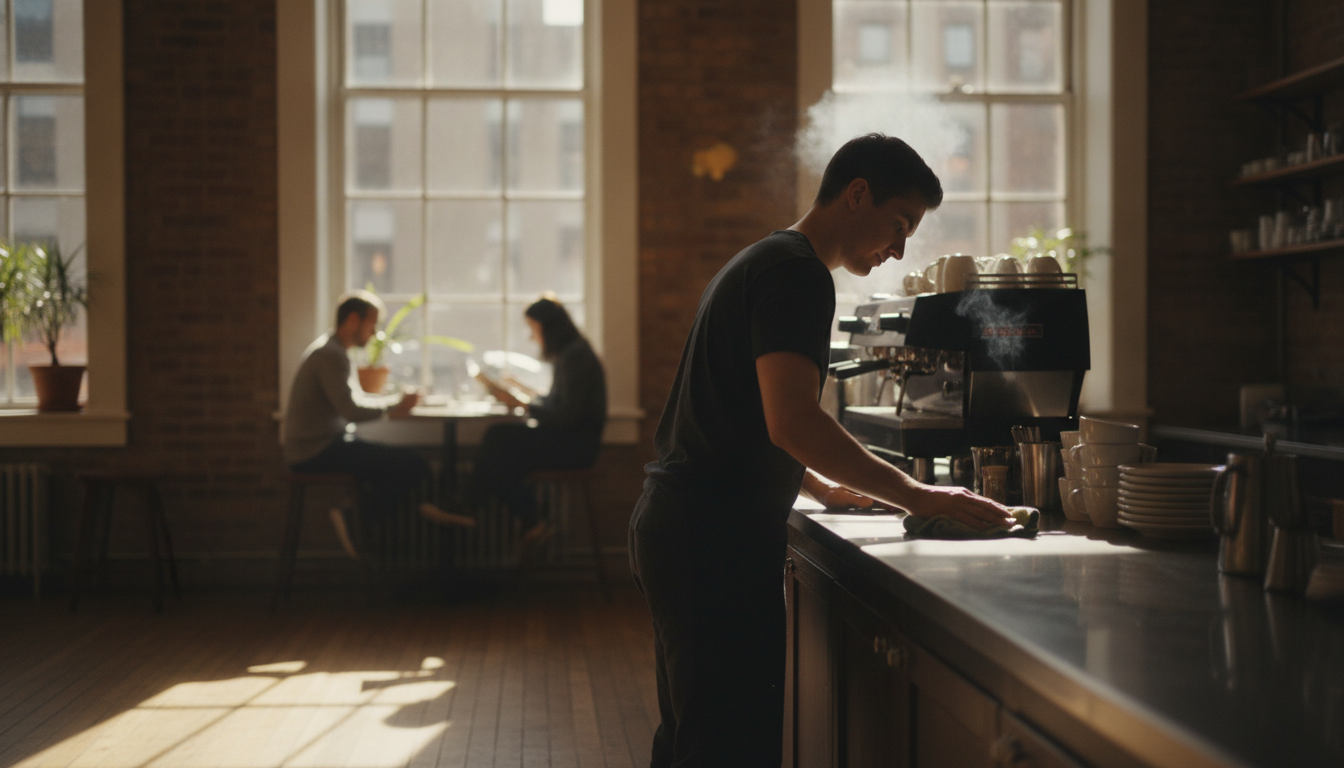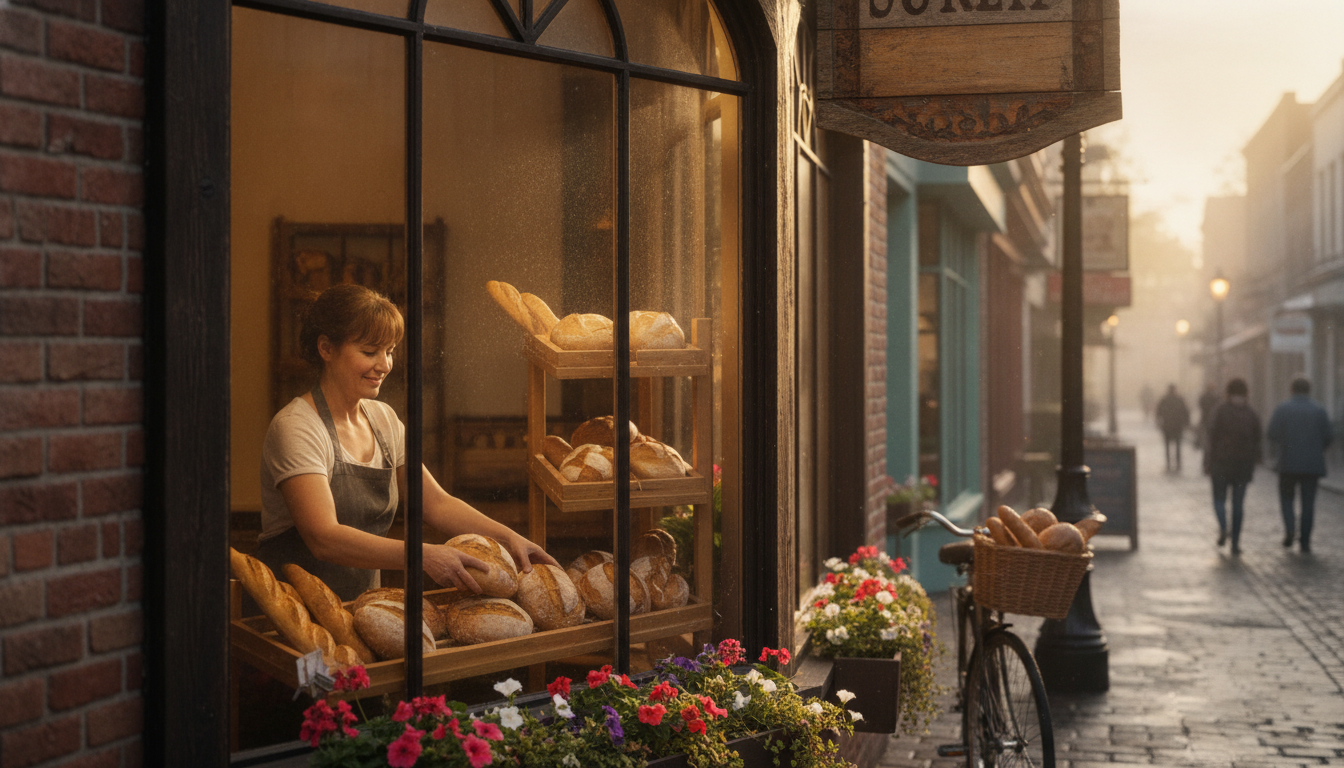
You set a budget, picked some photos, wrote a caption that felt honest, and hit publish. A week later: 11 likes, 2 comments from friends, and £400 gone. The instinct is to blame the platform - Facebook is pay-to-play now, Instagram is oversaturated, Google is too expensive for small businesses. That instinct is wrong. The platform did exactly what you told it to do. The problem is what you told it to do. Almost every underperforming local ad campaign has the same three structural fractures - and all three exist before a single penny leaves your account.
The Three Mistakes That Happen Before You Even Set a Budget
Mistake 1: The Radius Was Set by Habit, Not by Data
Most local business owners default to a 10-mile or 15-mile radius because it feels substantial. But the majority of physical local businesses draw their actual customer base from within 2-3 miles - sometimes less. A hair salon in Leeds is not realistically pulling clients from Wakefield. A neighbourhood cafe in East London is not converting someone in Stratford who has four cafes on their own street. When your radius is too wide, the platform does not show your ad to your most likely customer - it spreads budget across thousands of people who will never walk through your door. Your cost-per-relevant-impression balloons, your click-through rate collapses, and the algorithm reads the low engagement as a signal to show your ad to even less relevant people. Tighten the radius first. Start at 1.5 miles. Expand only if conversion data justifies it.
Mistake 2: There Was No Specific Offer - Just a Presence
"Come visit us this weekend" is not an offer. "We're open Monday to Saturday" is not an offer. A presence ad - one that simply reminds people your business exists - performs well only for brands with massive existing awareness, because recognition does the heavy lifting. You are not Coca-Cola. Your ad needs a specific, time-limited reason to act: a dish only available this week, a first-appointment discount for new clients, a bundle that saves a customer a tangible amount of money on something they were already planning to buy. Specificity creates urgency. Vagueness creates scrolling.
Mistake 3: There Was No Clear Next Action for the Viewer
Even when a local ad has a tight radius and a decent offer, it frequently fails at the final step: it does not tell the viewer exactly what to do next. Not in a general sense - "visit our website" or "find out more" - but in a frictionless, specific sense. Book now, using this link. Call this number to claim the offer. Show this ad at the counter for 10% off. The gap between a viewer feeling interested and a viewer taking action is bridged by one precise instruction. Without it, interest evaporates in the next three seconds of their scroll.
The ad didn't fail because the budget was too small. It failed because there was no clear job for the money to do.
The Setup Sequence That Actually Works: Offer First, Audience Second, Creative Third
Most business owners build campaigns in the wrong order. They start with the creative - a photo, a video, a caption - then think about who to show it to, then decide what the offer is, then set a budget. This sequence guarantees mediocrity. The right order inverts it entirely.
- Step 1 - Define the offer in one sentence: What specific thing are you selling, to whom, for what clear benefit, by what deadline? If you cannot write it in one sentence, the ad cannot communicate it either.
- Step 2 - Define the audience by behaviour, not just by location: Who already buys this? What do they have in common - proximity, occasion, time of week, life stage? A gym promoting a January membership should be targeting people who visited competitor gyms last January, not every person within 5 miles.
- Step 3 - Match the creative to the offer and audience: The photo, video, or graphic exists to make the offer feel real and relevant to that specific audience - not to look impressive in the abstract. A warm, authentic image of the actual product beats a stock photo every time at local scale.
- Step 4 - Set the budget against a specific conversion target: How many new bookings, walk-ins, or orders do you need to break even on this spend? Work backwards from that number - not forwards from what feels affordable.
- Step 5 - Build the next action into the creative itself: The call to action should be physically visible in the ad, not buried in the caption. Make it impossible to miss and impossible to overthink.
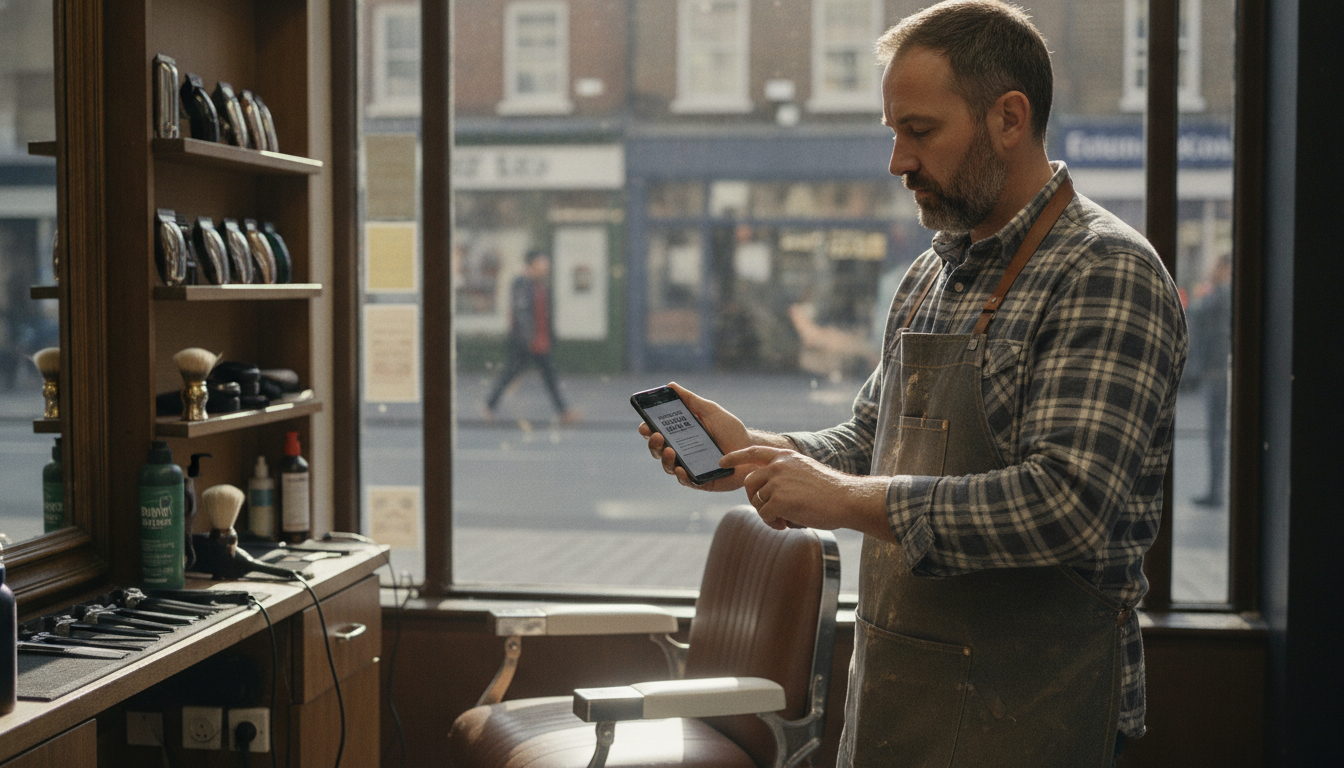
Why the Order Matters More Than the Budget Size
A £100 campaign built in the right order will almost always outperform a £400 campaign built in the wrong one. The reason is simple: platforms like Meta and Google reward relevance. When your offer is specific, your audience is tight, and your call to action is clear, your engagement rate rises - and the algorithm responds by showing your ad to more of the right people for less money per impression. The reverse is also true: a vague ad with a wide audience trains the algorithm to keep showing it to increasingly unqualified people, burning budget in a cycle that compounds with every day it runs.
This is exactly the structural logic built into Rulrr's campaign engine. Rather than starting with a blank ad brief, Rulrr prompts owners to define the offer and the intended action first - then builds the audience parameters and creative direction around that foundation. The sequence is not accidental; it exists because the wrong order is where most local ad budgets quietly disappear.

The One Question to Ask Before Every Campaign
Before you set a budget, before you pick a photo, before you open the ads manager - ask yourself this: if someone sees this ad for three seconds on a moving phone screen, can they immediately tell what I am offering, why it is relevant to them right now, and exactly what to do next? If the answer to any part of that question is no, stop. Fix the brief. Then spend the money. Three seconds is not a constraint to work around - it is the entire design brief for every local ad you will ever run.
A Fast Diagnostic for Your Last Campaign
If your last campaign underperformed, run it through these five checks before you change anything else:
- Radius check: Was your targeting radius based on where your actual customers live, or on what felt like a reasonable area?
- Offer check: Could someone read your ad in three seconds and repeat the specific offer back to you? Or was it a general awareness message?
- Audience specificity check: Were you targeting a defined group with a shared reason to want this offer right now - or everyone nearby?
- Next action check: Was there one clear, friction-free action for the viewer to take - with a link, number, or instruction visible in the ad itself?
- Sequence check: Did you define the offer before you chose the creative - or did you build the visual first and try to match an offer to it afterwards?
Most owners who run this diagnostic find two or three failures immediately - and they are always in the brief, never in the budget. Fix the structure before you increase the spend. A bigger budget behind a broken brief just means losing money faster.