The school run ends. The Christmas market closes. The local 5K finishes its last lap. The neighbourhood sighs collectively and opens Instagram. For the next 72 hours, your community is more emotionally activated, more likely to engage, and more ready to buy than at almost any other point in the quarter. And most local business owners post nothing. Not because they don't want to - because by the time the event ends, they're exhausted, behind on everything else, and the moment feels like it's already gone. It isn't. The post-event window is where the real engagement lives, and a simple three-post sequence - built with AI assistance in under 20 minutes - is all it takes to own it.
Why the 72 Hours After an Event Outperform the Build-Up
Pre-event content competes with every other business doing the same anticipation post. Post-event content lands into an audience that already lived the moment - they're searching for reflections, reliving highlights, and sharing memories. Engagement rates on community-resonant post-event content routinely run two to three times higher than equivalent pre-event posts, because the emotional context is already loaded. Your audience doesn't need to be sold the feeling. They're already in it. The problem is that most owners assume the window is the event itself. It isn't. It's the exhale after.
Pre-event content competes. Post-event content connects. The difference is timing by 48 hours and a single shift in perspective.
The Three-Post Sequence That Captures Every Window
You don't need a content calendar built six weeks out. You need a repeatable structure you can drop into any event, any season, any local spike - and execute within minutes using AI to do the heavy lifting on copy. Here is the exact sequence, with what each post achieves and how long it takes.
Post 1 - The Reflection (Hours 2 to 12 After the Event)
This post acknowledges the moment your community just shared. It's not promotional. It's connective. A photo from the day - your team, your shopfront dressed for the occasion, a customer laughing, a dish you ran as a special - paired with a short caption that names the feeling. 'The market crowd was something else today. If you came by, thank you - you made the shift.' That's it. The goal is to show you were present, that you noticed, and that you're part of the same neighbourhood they are. Prompt an AI tool with: 'Write a warm, 2-sentence social caption for a [business type] reflecting on [specific event] in [location]. Conversational, no hashtag spam, no emojis.' Done in 90 seconds.
Post 2 - The Bridge Offer (Hours 18 to 36)
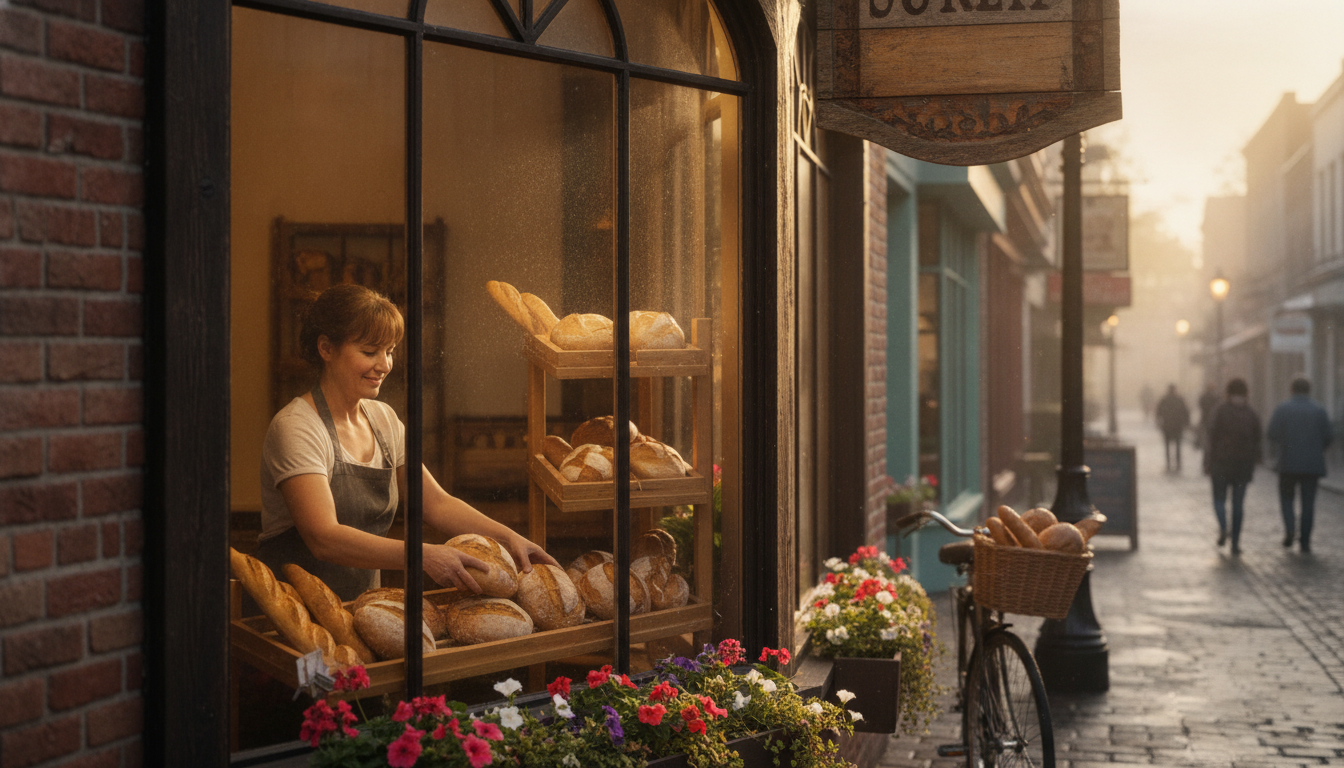
Now you earn the commercial moment you set up with Post 1. The event energy is still live in people's minds, and you bridge it directly to a reason to visit or buy. A bakery running a post-Christmas-market special on leftover mince pie boxes. A gym offering a first-class-free pass to anyone who ran the neighbourhood 5K. A salon with a 'recover from the wedding season' blowout offer. The logic: the event created a shared identity - your offer extends it. Prompt: 'Write a social post for a [business type] offering [specific offer] to people coming down from [event]. Keep it light, 3 sentences, sounds like a real person not a brand.' The AI handles the tone. You pick the offer. Three minutes.
Post 3 - The Forward Hook (Hours 48 to 72)
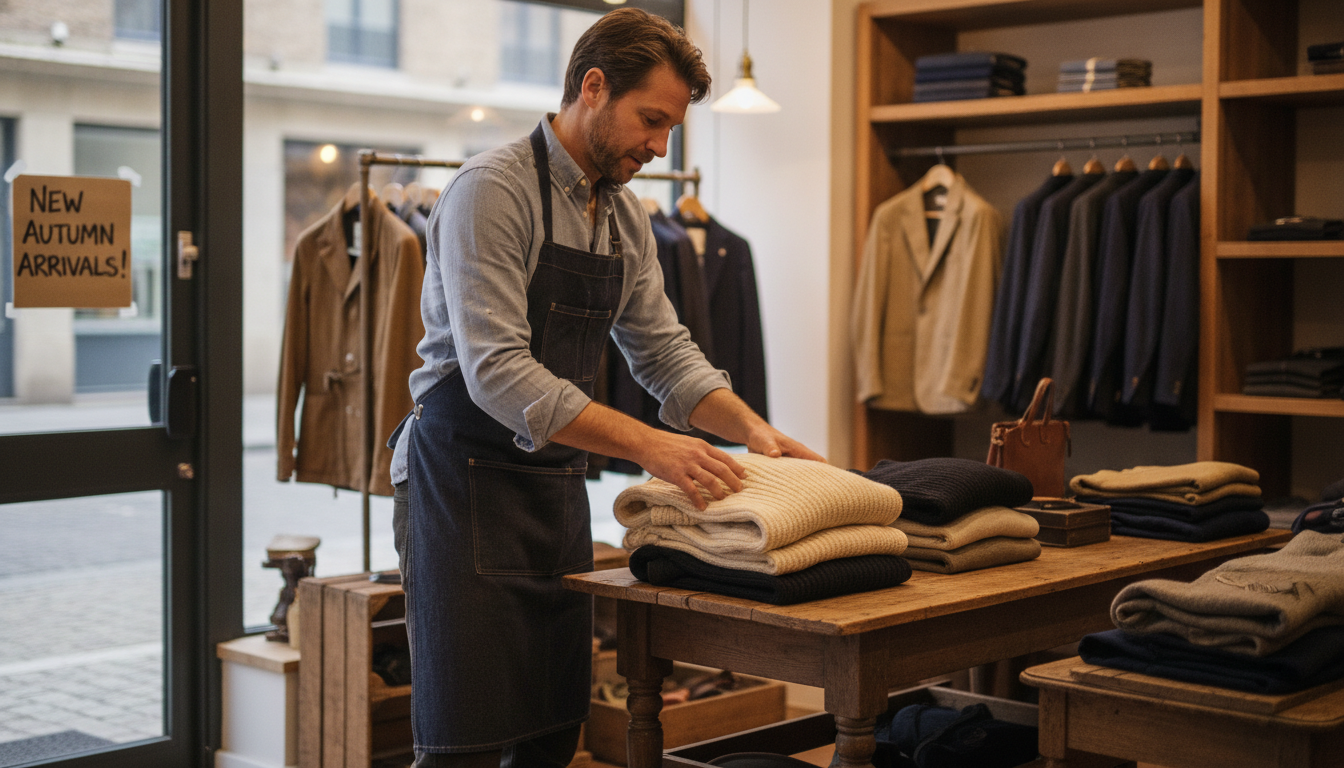
This is the post most owners never think to write. The event is over, the immediate buzz is fading, and this is where you plant the next reason to come back - timed precisely when your audience is starting to think about what's next. A restaurant teasing a new seasonal menu arriving next week. A boutique previewing a delivery that just landed. A barbershop mentioning they've opened Saturday slots for the month ahead. You're not manufacturing hype - you're giving the engaged audience from Posts 1 and 2 a next chapter. Prompt: 'Write a short, curiosity-building social post for a [business type] that teases [upcoming thing] without giving away all the details. Friendly, direct, 2-3 sentences.' Two minutes.
The Events That Trigger This Sequence (You Have More Than You Think)
The mistake is waiting for a major national holiday. The most powerful post-event windows are the hyper-local ones that national brands completely miss - the ones that belong to your postcode, not their media plan.
- Local street markets, food festivals, and neighbourhood fairs - the communal energy stays live for 48 hours after close
- School term start and end dates - parents and students alike are in a shared transitional mindset and highly active online
- Local sports events - a half-marathon through your high street, a school cup final, a club's promotion weekend
- Weather spikes - the first real sunny Saturday of spring or the first cold snap of autumn create genuine shared experience
- National holidays with local colour - the town bonfire night, the high-street Christmas lights switch-on, the local Diwali or Eid celebrations
- Your own in-store events - a product launch, a tasting night, a charity bake sale - the sequence works for events you created, not just ones you attended
How AI Removes the Only Real Barrier: Starting
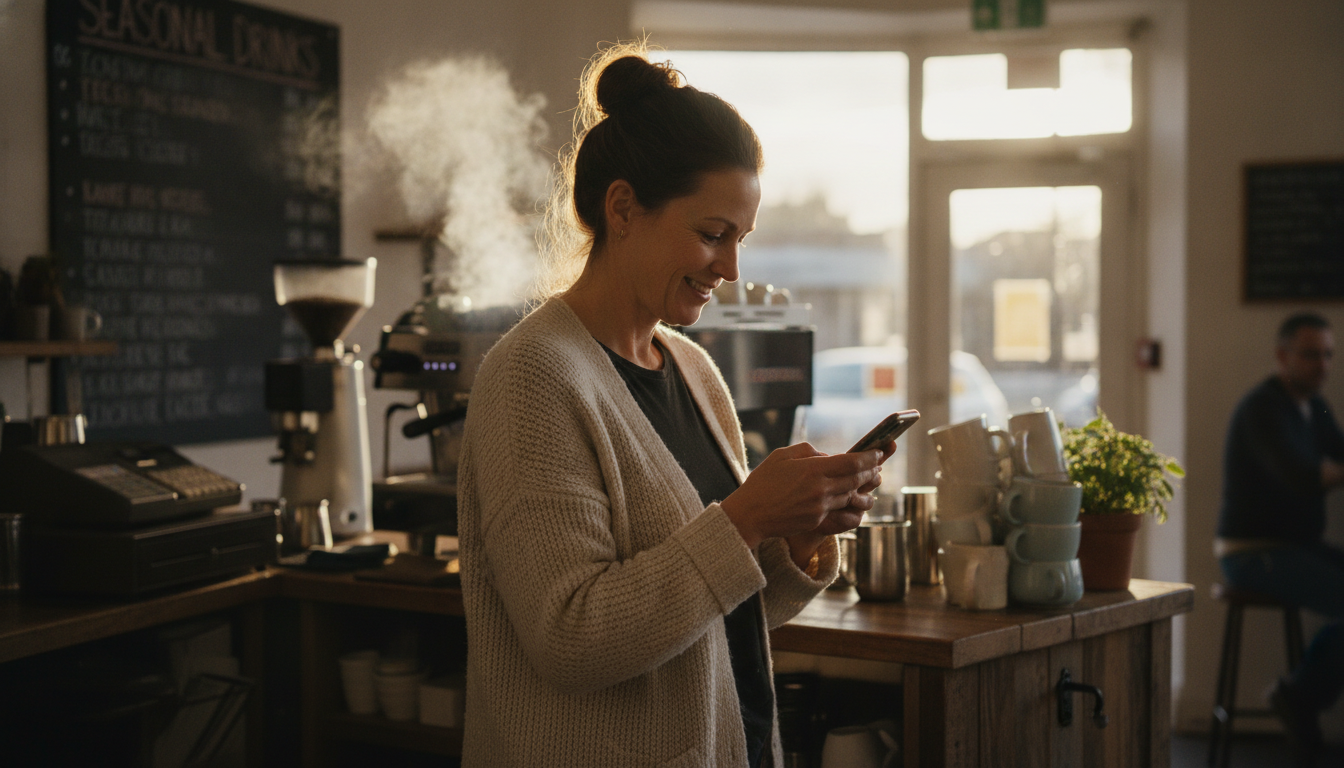
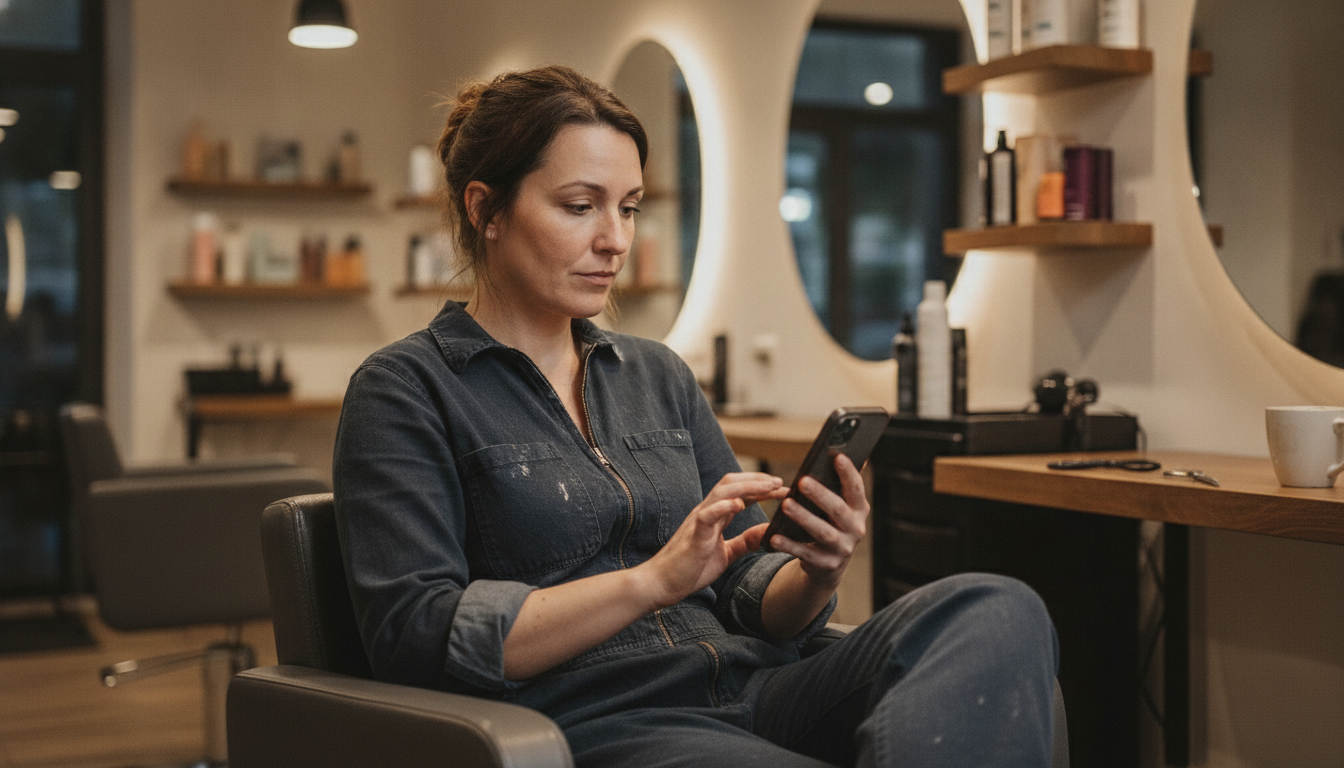
The reason this window stays empty for most owners isn't laziness - it's that writing copy when you're tired, on your phone, after a full shift, feels impossible. The blank caption box is genuinely hard to fill when you have nothing left. AI tools remove that barrier almost entirely. You don't need inspiration. You need a prompt structure you've already prepared, and a platform that can take your input - business type, event, tone, offer - and return a usable first draft in seconds. Platforms like Rulrr are built specifically for this: AI-assisted content creation that understands the context of a local business and generates copy ready to post or lightly personalise, without the owner needing to become a copywriter. The sequence above takes under 20 minutes across three posts - less time than most owners spend scrolling competitors' feeds.
Build the Prompt, Not the Post
The real time investment isn't in the three posts - it's in building the three prompt templates once. Write them tonight for your business type, save them somewhere accessible (your notes app, your drafts folder, a shared doc), and every future event becomes a fill-in-the-blank exercise. Event name, business name, offer detail, tone preference. The AI writes from there. What takes a national brand's content team a week of calendar planning takes you 20 minutes and a saved prompt. That asymmetry is the actual opportunity.
One Rule That Makes the Sequence Work Every Time
Don't wait until the event to prepare. The sequence is reactive by design - you post into the window after it opens - but the prep is done before. On Sunday evening each week, scan the next 10 days for anything that fits the trigger list above. If something qualifies, draft your three prompts in advance. Then when the window opens, you're filling in variables, not starting from scratch. The owners who capture these spikes consistently aren't posting harder - they're just slightly more prepared than everyone else on the block.