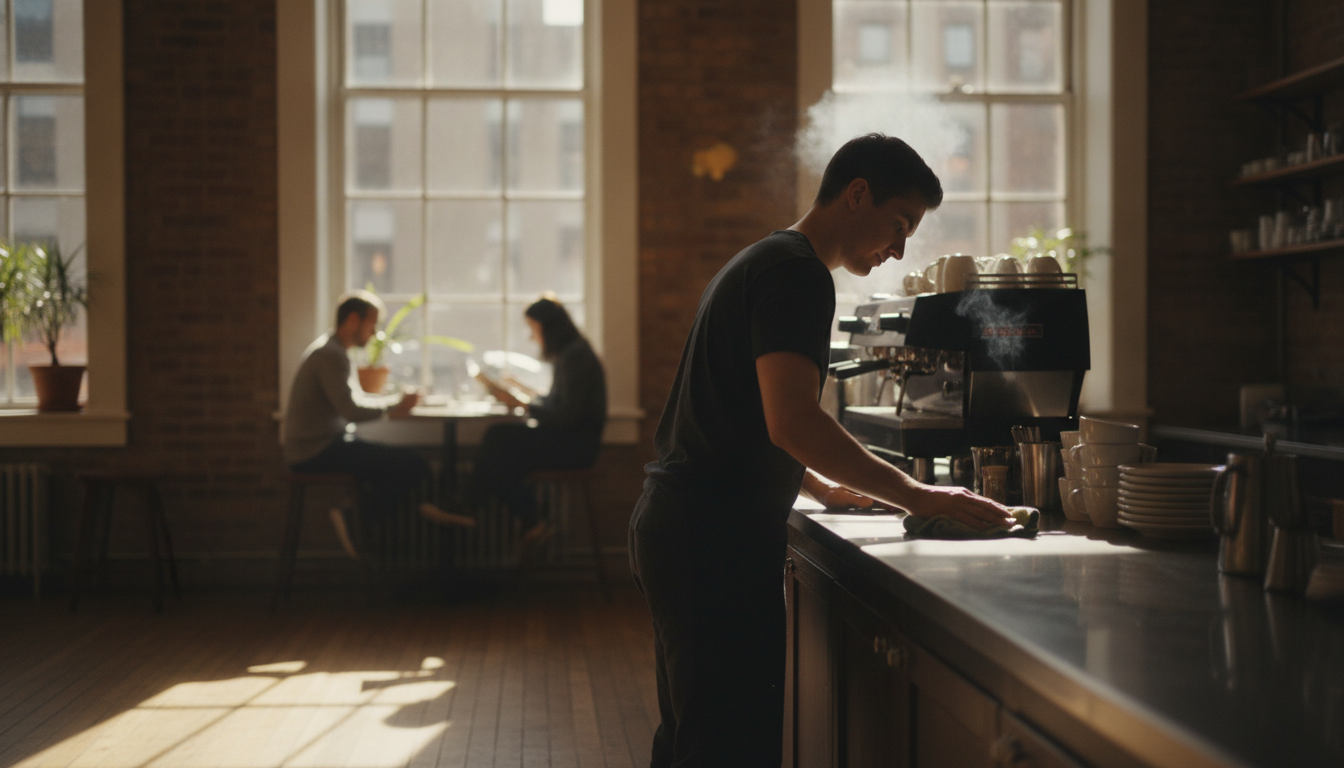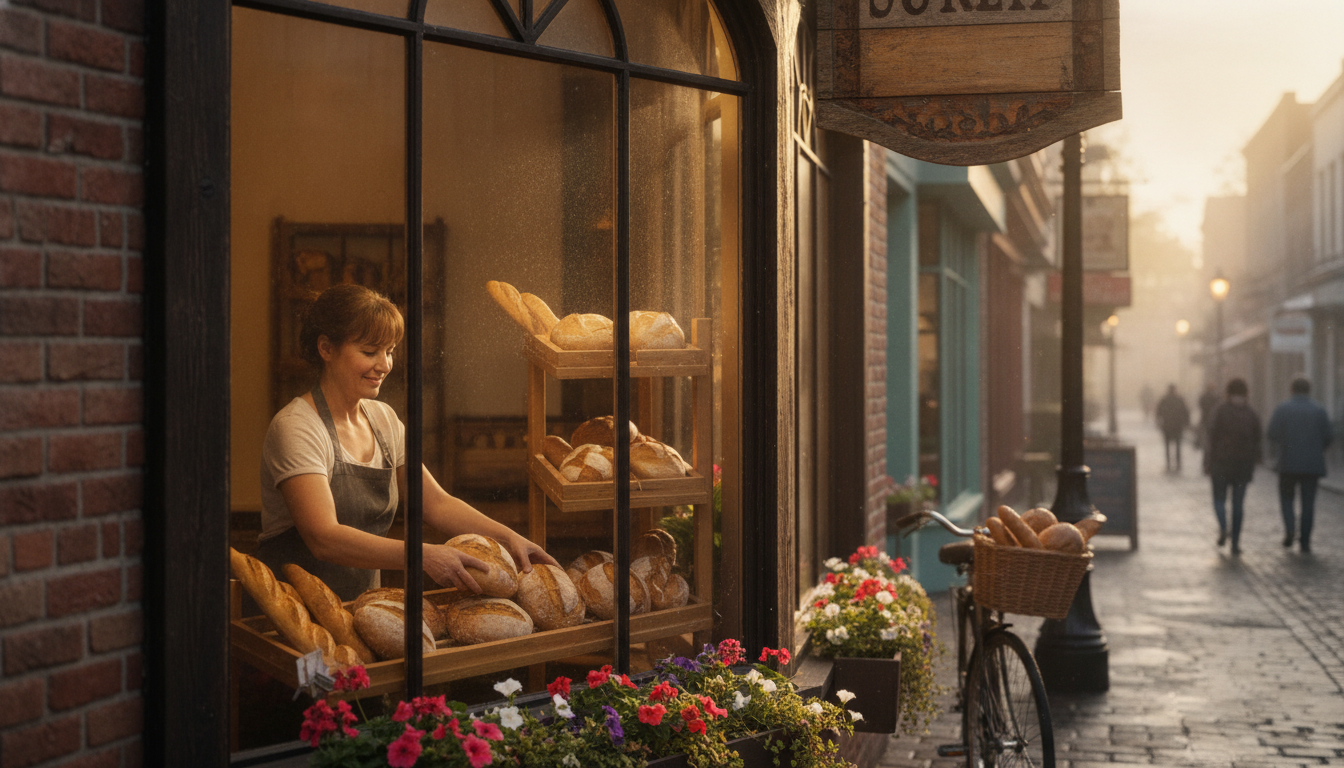
You already know which hours they are. The stretch from 2pm to 4pm where your staff are tidying shelves and you're refreshing your phone. The first 60 minutes after you open when the lights are on but the room is hollow. Sunday evening when the weekend crowd has dissolved and you're staring at a prep list instead of a queue. Every local business has one or two of these dead windows - predictable, recurring, painful. The instinct is to throw a discount at them: 20% off between 2pm and 4pm, half-price coffee at 10am. It works just enough to feel like a strategy and just badly enough to slowly erode your margins without solving the underlying problem. There is a sharper approach, and it starts with understanding why those windows exist in the first place.
Why Your Dead Window Exists - And Why the Answer Changes Everything
Not all quiet periods are the same. Some are structural: a restaurant between lunch and dinner service will always be quiet because that is how the day is built. Some are behavioural: a hair salon that is dead on Monday mornings is fighting a customer habit, not a market problem. Some are perceptual: a boutique that sees no foot traffic on Sunday afternoons might simply not have given anyone a reason to think of it on a Sunday. The fix for each of these is different. A structural window needs an audience that does not follow the main demand curve - remote workers, retirees, local trade accounts. A behavioural window needs a habit-shifting incentive that rewards early adopters without training the broader customer base to expect a permanent deal. A perceptual window needs a message, not a discount. Diagnosing which type of dead window you have before you build the campaign is the difference between a micro-campaign that compounds and one that costs you margin for six weeks and then quietly stops.
The Three-Question Diagnostic
- Who is actually available in my area during this window? (Think about which local customer segments are physically free at that time of day - students between lectures, parents post-school-run, remote workers taking a break, nearby office staff on a late lunch.)
- Why are they not already choosing me during this window? (Is it awareness, habit, perceived value, or logistics like parking or queuing that makes them choose somewhere else or nowhere at all?)
- What would make this window genuinely more attractive to them without signalling that my off-peak pricing is actually my real pricing? (Value-add, experience, exclusivity, and convenience all work better than a raw percentage cut.)
A discount solves a price problem. Most slow windows are not price problems. They are relevance problems - nobody thought of you at that moment. That is a messaging challenge, not a margin one.
Building the Time-Specific Offer: The Structure That Converts Without Discounting
A time-specific micro-campaign has four components: a defined audience segment, a genuine reason to come in during that window, a value-add rather than a price reduction where possible, and a clear, urgent time constraint that creates action without manufacturing fake scarcity. Let's make this concrete. A casual dining restaurant with a dead 2pm-5pm slot might define its target segment as local freelancers and remote workers. The genuine reason to come in: quiet tables, strong wifi, no pressure to turn over quickly. The value-add: a coffee and a focaccia for the price of a coffee, positioned as a 'slow afternoon' menu - not a discount, but a curated pairing that does not exist on the main menu. The time constraint: available only between 2pm and 5pm, weekdays only. This is not a 20% off promotion. It is a distinct product designed for a distinct moment. The customer who takes it up is not being trained to expect cheaper prices - they are being trained to associate that window with a specific experience they cannot get at other times.
Offer Structures That Work by Business Type
- Restaurants and cafes: a named off-peak menu item or pairing (not a discount) available only during the quiet window, promoted as exclusive to that slot - 'the 3pm table' or 'afternoon set' positioning works well.
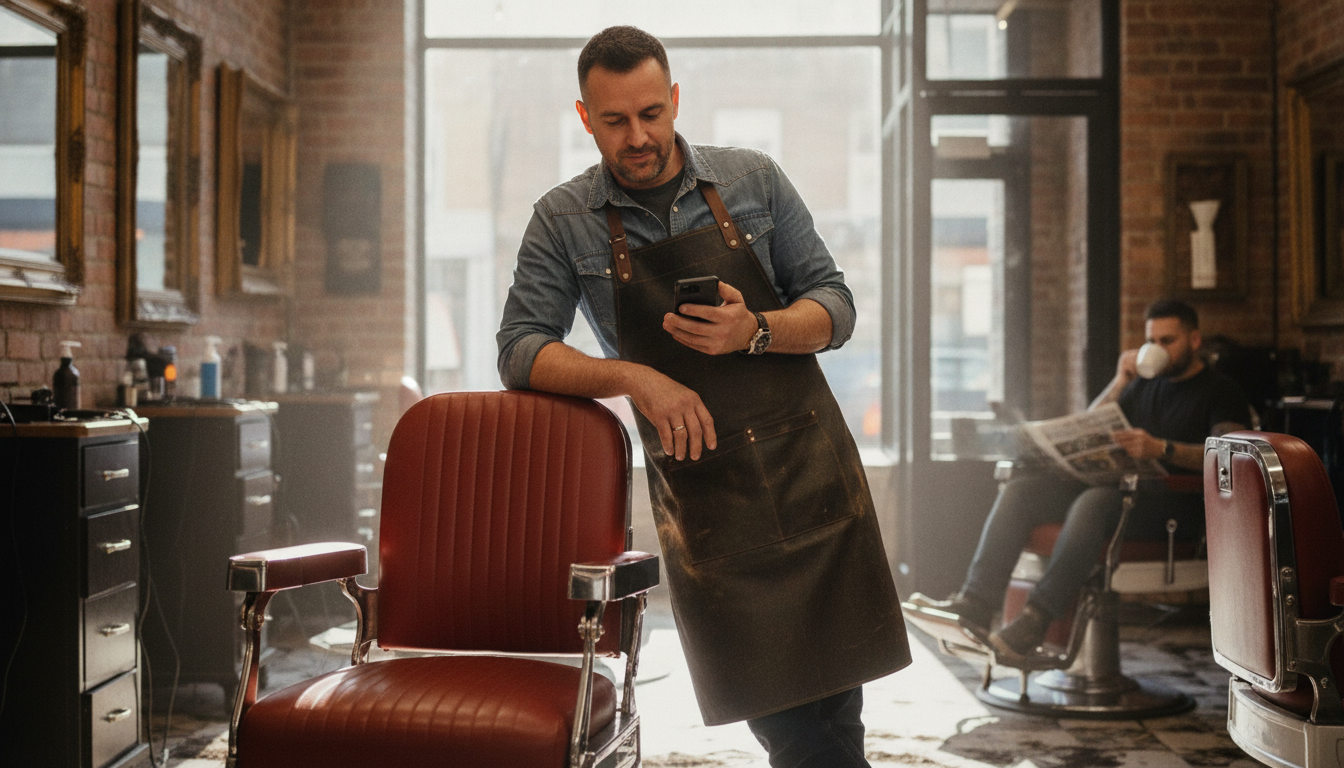
- Hair salons and barbershops: a 'no-wait' appointment guarantee for specific mid-week morning slots, promoted to customers who have mentioned they hate waiting - same price, better certainty, different positioning.
- Retail (clothing, boutique, jewellery): a personal styling or one-to-one appointment slot during quiet mornings where the owner or senior staff member gives undivided attention - value-add, not a sale.
- Gyms and yoga studios: a 'quiet class' format during the dead off-peak slot - smaller group, more individual attention, same price or a marginal add-on for the personalised experience.
- Service providers (clinics, cleaning, financial): guaranteed same-day or next-day appointment windows during low-demand slots, promoted to customers who value speed over choice of time.
Automating the Distribution: The Part That Makes It Actually Work
The reason most time-specific offers fail is not the offer itself - it is the execution. An owner designs a smart mid-afternoon campaign, posts about it twice, gets distracted by a busy Friday, and the whole thing disappears. Three weeks later the dead window is back, unchanged. The only way a time-specific micro-campaign earns its return is if it runs consistently enough that the right audience begins to expect it and plan around it. That means the distribution has to be automated: scheduled social posts that go out every Tuesday and Thursday morning before the window opens, a recurring Google Business Profile update, a short SMS or email to your opted-in customer base that lands at 12pm on the target days - just when people are deciding what to do with their afternoon. Platforms like Rulrr let owners set this kind of recurring campaign logic once, connected to their actual business data, so the right message goes to the right audience at the right moment every week without anyone manually hitting publish. The campaign becomes infrastructure rather than a one-off effort.

The Compounding Effect Nobody Talks About
A time-specific micro-campaign that runs every week for 12 weeks does not just fill one Tuesday afternoon. It trains a segment of your local audience to associate a specific time with a specific reason to visit you. By week six, you will see customers booking in advance for the window. By week ten, you may find that the 'dead slot' is no longer dead - it has a small but loyal and predictable audience. That is not a promotion. That is a new revenue stream built from hours that were previously invisible on your P&L. The investment to get there is one solid hour of thinking upfront about the offer structure, and then a distribution system that handles the rest.
The One Metric That Tells You If It Is Working
Do not measure the success of a time-window campaign against your best weekend numbers. Measure it against itself: what was your average revenue, covers, or transactions during that specific window in the four weeks before you launched? Then track the same window week by week. A 15% to 25% uplift in a genuinely dead slot, even if it stays quieter than peak hours, is a material improvement. A quiet window that goes from generating 3% of daily revenue to 8% is not a rounding error - for a cafe or salon open six days a week, that difference compounds into thousands over a quarter. The goal is not to turn your slowest two hours into your busiest. It is to make them consistently productive, predictable, and eventually self-sustaining - without offering a permanent discount that trains every future customer to expect the same.